This Week in the Garden (June 19th)

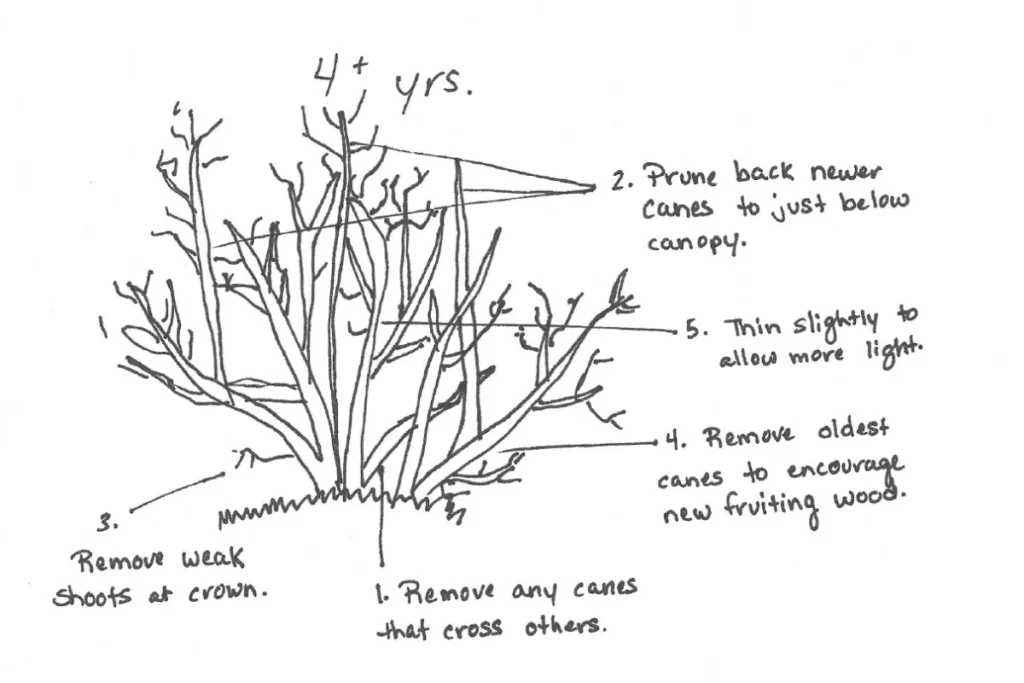
This week in the garden, there is the coming of powdery mildew, which is a fungus that attacks many plants, including roses, lilacs, vining garden crops, etc. Several types of mildew are host-specific or attack many different plants. It shows up as a “talcum powder-looking” coating on the leaves, which reduces the sunlight penetrating the leaf, increasing the stress of the plant. Two easy ways to reduce this is to prune to increase air circulation and blast with water (it actually does not like water). To prevent infestation of new leaves, spray with an all-purpose garden fungicide.

Cedar apple rust is showing up on apple and pear leaves. Spray early in the spring to prevent this. There is not much you can do now to prevent it. The same goes for the Buckthorn rust.

A lot of tree seedlings are showing up because last year was a mast year, as this year is. Every few years, the trees and shrubs produce a bumper crop of seeds depending on the variety of plants, especially with maples, cedar, and nut trees. How the trees communicate this to each other is a mystery. Some of it depends on environmental conditions.

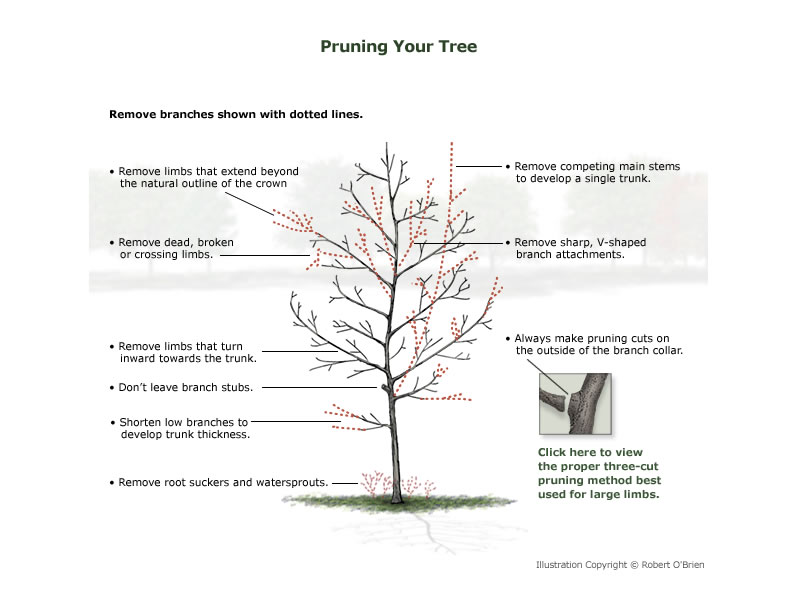
If you have to prune trees because of storm damage at this time of the year, never paint the wound with anything. This seals in moisture, creating an area for bacteria to multiply. The only exception is in oaks (bur oak) and elms to prevent picnic beetles and elm beetles from spreading disease.

I have had calls about dead areas of the lawn with edges turning white or light brown. If you can rule out a dog or cat, this could be summer patch. It is a fungus attacking the roots of the grass plants, showing up when it is hot and dry. Make sure your mower is set 3 to 4 inches high and water early in the morning, so the grass does not stay wet for a long period of time. Repair the areas in the late summer.

I had a couple of questions on how to reproduce a seedless watermelon. You really cannot do this at home. Breeders take a watermelon with two sets of chromosomes with one with four sets of chromosomes, producing a watermelon with three sets of chromosomes. This is the one you plant to get a seedless watermelon (a sterile hybrid). This is not gene modifying but only cross-breeding.

This Week in the Garden (June 11)

It’s that time of year when herbicide damage starts to show up—something that’s, unfortunately, pretty predictable. If you’re noticing cupped or distorted leaves, especially on tomatoes or peppers, there’s a good chance it’s from herbicide drift. The good news? If your garden got hit, it’s not too late to replant!

As we move closer to summer, you may also see signs of iron chlorosis—those yellowing leaves with dark green veins—on plants like viburnums and maples. It’s not that the soil lacks iron or manganese, but our high pH clay soils make it hard for plants to absorb them. I’ve had good luck using a water-soluble iron spray. You can also help by mulching with compost, pine bark, or peat to improve soil conditions over time.

Peonies not blooming this year? Or blooming less than they used to? A couple of common reasons: they may be planted too deep (those eyes should be no more than 2 inches below the surface), or they might be getting shaded by trees that have grown over the years. If that’s the case, wait until September and consider moving them to a sunnier spot.

To help prevent bacterial and fungal issues, think about switching to drip irrigation. It keeps the leaves and stems dry, uses less water, and is super helpful if you plan to be away for a few days. Plus, it’s easy to set up.

Cabbage aphids on cauliflower

One more thing—it’s shaping up to be a big year for aphids. They’re tiny but persistent. Keep an eye on your plants and give them a good spray with the hose if you see any. If they’re really bad, insecticidal soap, neem oil, or Malathion can help—just don’t forget to spray the undersides of the leaves where they like to hide.

Happy gardening! 🌱 Let’s keep those plants healthy and blooming.

This Week in the Garden (May 20th)

This week in the garden, there is a hard lesson to learn when buying transplants: to remove the flowers or any fruit from the plant. This puts energy into the root and leaf growth for a stronger plant down the road. Also, depending on the plant, pinch it back to encourage a healthier plant.

Pennycress

The weed of the week is pennycress or skunkweed. I left one growing on the south side of my house. I counted 8 seeds in one pod, and 50 pods made around 400 seeds. This weed is called a winter annual, meaning it starts growing in the fall and then finishes with flowers and seeds the following spring. Being an annual, it is easy to pull out; just do not let it go to seed.

In planting new apple trees, look for trees that are resistant to scab, rust, and powdery mildew or a combination of these diseases. It will state this on the label. Remember to plant two varieties for a good apple crop.

Dead top in birches

There are some dead tops in maples and birches this year, caused by drought, winter kill. If you can remove them safely, do it.

I had a question about a male Silver Maple having seeds. On checking this, sometimes Silver Maples will change sex depending on environmental factors. Plants are amazing.