By Sara William
Introduction
The real estate world is changing fast, and at the center of it all stands the millennial homebuyer. Unlike previous generations, millennials view homeownership as more than just a financial milestone. It’s about lifestyle, flexibility, and values. Their preferences, shaped by technology and social trends, are redefining how the real estate market functions today.
From eco-conscious designs to digital house-hunting, the influence of millennials is everywhere. Let’s explore the trends that are shaping this generation’s approach to buying homes and how they’re transforming the property landscape for years to come.

Who Is the Millennial Homebuyer?
Millennials, typically born between 1981 and 1996, now make up the largest share of homebuyers. Many of them are in their 30s and early 40s, balancing careers, families, and financial goals. Unlike their parents, who often bought their first home in their 20s, millennials are entering the market later.
Several factors explain this delay. Rising student debt, urban rent prices, and the growing cost of living have made saving for a down payment harder. But once ready, millennial buyers enter the real estate scene with clear priorities. They know what they want, and they use every digital tool to get it.
Digital-First Approach to Home Buying
For the millennial homebuyer, the search begins online. This generation grew up with the internet, so scrolling through listings on apps or real estate platforms feels natural. They rely on social media, 3D tours, and even virtual reality tools before scheduling a physical visit.
Real estate agents now use Instagram, TikTok, and YouTube to showcase properties. Millennials value convenience, so a home’s digital presence can make or break their interest. Quick access to details, maps, and transparent pricing gives them confidence in their decisions.
This digital-first shift also influences real estate marketing. Agents and developers must maintain strong online reputations, provide engaging content, and respond quickly to inquiries. The days of printed listings are fading fast.
Affordability Still Matters
Even with evolving tastes, affordability remains a top concern. Many millennial buyers still struggle with student loans and economic uncertainty. They’re cautious about overspending, preferring smaller homes in accessible areas.
Some turn to shared ownership or co-buying options with friends or family. Others move away from expensive city centers to suburban or rural communities where they can get more space for their money.
Affordability is not only about price; it’s also about value. Millennials want energy-efficient appliances, durable materials, and low-maintenance spaces. They view a home as a long-term investment, not just a purchase.
Sustainability and Green Living
One of the most defining traits of the millennial homebuyer is environmental awareness. They care deeply about sustainable living and eco-friendly homes. Features like solar panels, energy-efficient lighting, and good air filtration systems top their wish lists.
Developers are responding to this shift. New housing projects now highlight green certifications, water conservation systems, and better waste management. Homes that combine modern design with sustainable elements attract more attention.
Even the concept of a healthy home environment, with proper sanitair systems and non-toxic materials, plays a major role. Clean indoor air and energy-efficient spaces are no longer luxuries—they’re expectations.
Flexibility and Remote Work Influence
The pandemic changed how people view their living spaces. Remote work became common, and millennials adapted fast. Now, many look for homes that support a flexible lifestyle.
They want properties with space for a home office, outdoor area, or even a gym corner. Fast internet and privacy have become essentials. Real estate developers are taking note, designing homes that balance work and comfort.
Suburban areas have seen a rise in demand as remote work reduces the need for city commuting. A peaceful environment with good amenities now appeals more than proximity to downtown offices.
The Desire for Smart Homes
Technology plays a huge part in shaping millennial lifestyles. The modern millennial homebuyer loves smart features that make life easier. From voice-activated assistants to smart thermostats and security cameras, convenience is key.
These systems not only save time but also improve safety and energy efficiency. Many buyers see smart technology as a worthwhile investment rather than an extra cost.
Builders who incorporate these tech-forward designs attract more attention from millennial buyers. Homes that integrate seamlessly with smartphones or apps feel more future-ready.
Preference for Experience Over Size
Millennials prioritize experiences over possessions. When it comes to homes, they seek properties that support their lifestyle rather than just showcasing wealth.
They often choose cozy, well-designed spaces that reflect their personal style. Proximity to cafes, parks, and local events matters more than having a massive backyard. For them, a home should fit into their life, not define it.
Smaller, functional homes with creative storage and modern layouts are now popular. Real estate trends are shifting from large estates to community-centered living.
Urban vs Suburban Living
While many millennials still love the energy of city life, a growing number are leaving urban centers. Remote work, rising rent, and a desire for space have pushed buyers toward suburban and rural areas.
Suburbs now offer more than quiet streets; they’re evolving into vibrant communities with restaurants, gyms, and entertainment options. The balance between affordability, comfort, and access makes suburban real estate appealing.
For those who stay in cities, proximity to public transport, walkability, and nearby services remain top priorities. Whether urban or suburban, millennials value convenience and connection.
Financial Education and Smart Decision-Making
Millennials are known for their research habits. Before buying, they spend months learning about mortgage options, interest rates, and home inspections. They seek transparency and dislike hidden costs.
Online mortgage calculators, financial apps, and real estate podcasts help them stay informed. This generation prefers to make data-driven choices, often comparing several financing options before committing.
Real estate professionals who educate rather than just sell earn their trust. Honest communication, clear pricing, and accessible guidance go a long way.
The Role of Social Media in Real Estate
Social media isn’t just for entertainment anymore—it’s a key player in home buying. The millennial homebuyer uses platforms to follow market trends, discover neighborhoods, and even contact agents.
Influencers now review homes, share interior ideas, and discuss property investments. This social-driven research helps buyers visualize their future home better.
For real estate brands, an active online presence builds credibility. Authentic posts, video tours, and community highlights make properties more relatable and appealing.
Design Trends That Appeal to Millennials
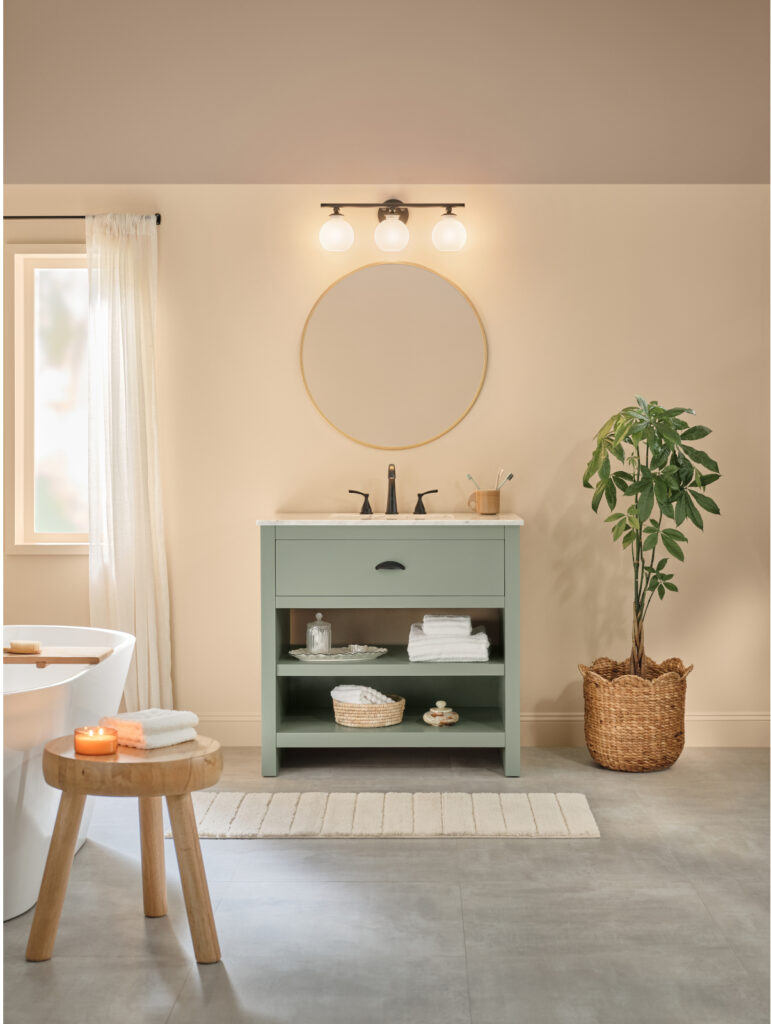
Millennials want homes that are stylish yet practical. Their taste leans toward minimalist, open layouts with natural light and functional spaces. Neutral color palettes, smart storage, and sustainable materials are high on the list.
Kitchens are often the heart of the home, featuring energy-efficient appliances and easy-to-clean designs. Outdoor areas, balconies, or small gardens are a big plus.
Real estate developers now work closely with interior designers to create modern, Instagram-worthy spaces that reflect this generation’s personality.
Emotional Connection to Homeownership
Buying a home isn’t just a financial step for millennials—it’s an emotional one. Many see it as a symbol of independence and stability. It represents years of effort and financial discipline.
However, they also want flexibility. Renting out rooms, converting spaces into home offices, or turning properties into short-term rentals are part of their plans. They value control and adaptability.
This mix of practicality and sentiment is shaping how real estate agents approach millennial clients.
Common Reader Question: Why Are Millennials Delaying Homeownership?
Many readers wonder why millennials are waiting longer to buy homes. The main reasons are financial pressure and lifestyle changes. Rising housing costs, student loans, and flexible work preferences have reshaped priorities.
Instead of rushing into ownership, millennials focus on stability first. They prefer saving, investing, or renting until they find a property that matches both their needs and values. This thoughtful approach is influencing how the real estate market evolves.
How Real Estate Professionals Can Adapt
To attract millennial buyers, real estate professionals must evolve too. Here’s what works best:
- Build a strong digital presence.
- Offer transparency in pricing and documentation.
- Highlight eco-friendly and smart home features.
- Create interactive virtual tours and mobile-friendly listings.
- Focus on community and lifestyle, not just property size.
Adapting to these preferences helps agents stay relevant in an evolving market.
Future Outlook: Millennials Leading the Change
The millennial homebuyer isn’t just reshaping trends; they’re shaping the future of real estate. Their focus on sustainability, technology, and quality living is setting new standards for developers and agents alike.
As more millennials move into their peak earning years, their influence will grow stronger. Expect the market to see more smart homes, energy-efficient designs, and flexible spaces that support modern living.
Real estate is no longer just about buying a house. It’s about creating a lifestyle that feels authentic, balanced, and forward-thinking.
Conclusion
The millennial homebuyer has changed the rules of real estate. From digital home tours to eco-conscious designs, this generation’s priorities are reshaping how homes are built, sold, and lived in.
Their values reflect a deep understanding of balance—between work and life, technology and nature, affordability and quality. For developers and agents, adapting to these evolving needs isn’t optional; it’s essential.
Author Sara William is a digital marketing consultant, writer, freelancer, WordPress enthusiast, and coffee lover.
KW: Duct cleaning Website: https://www.sanitairllc.com/