
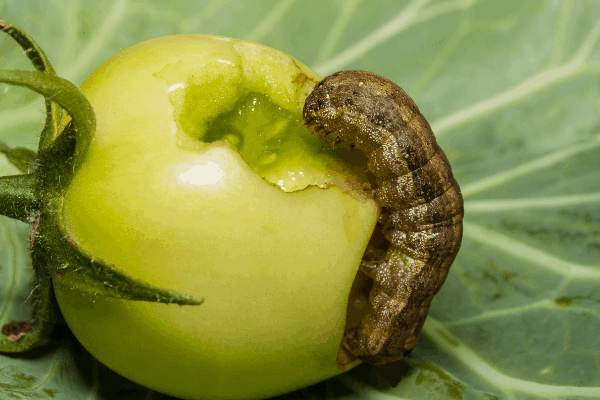
In the garden this week, there are very few insects that eat the tomato fruit itself, but the tomato fruit worm is one. This brownish worm, also called the corn earworm, burrows through the fruit. Remove and throw away any infected fruits. Insecticides do not work well with these insects.
Keep your garden and flowerbed weed free. This is usually the time we forget or give up, but those weeds do not. Remember, one crabgrass plant can produce 100s of seeds. Also, give the plants plenty of water to get through the hot parts of August. Most of the plants, like melons and cucumbers, require the most water during the fruiting process.
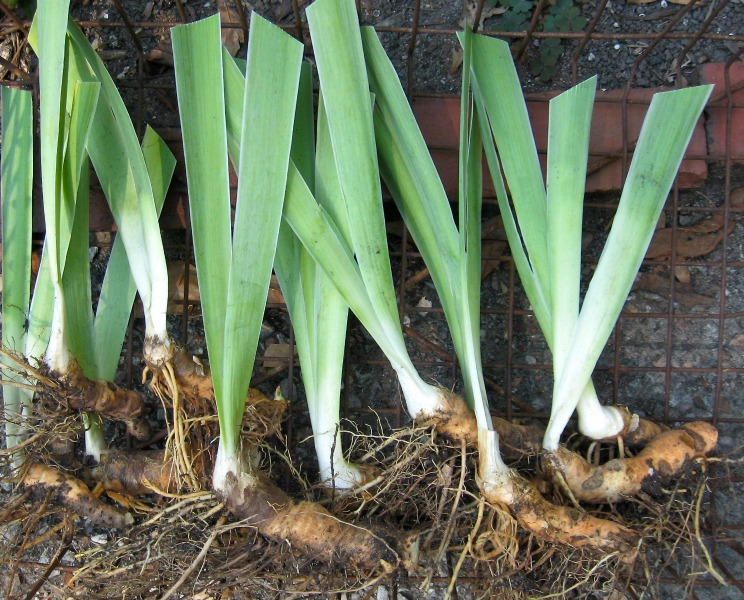
August is the best time to dig and divide iris. Rinse off the rhizomes and cut the foliage to around 6 inches. Replant and water until they are established.
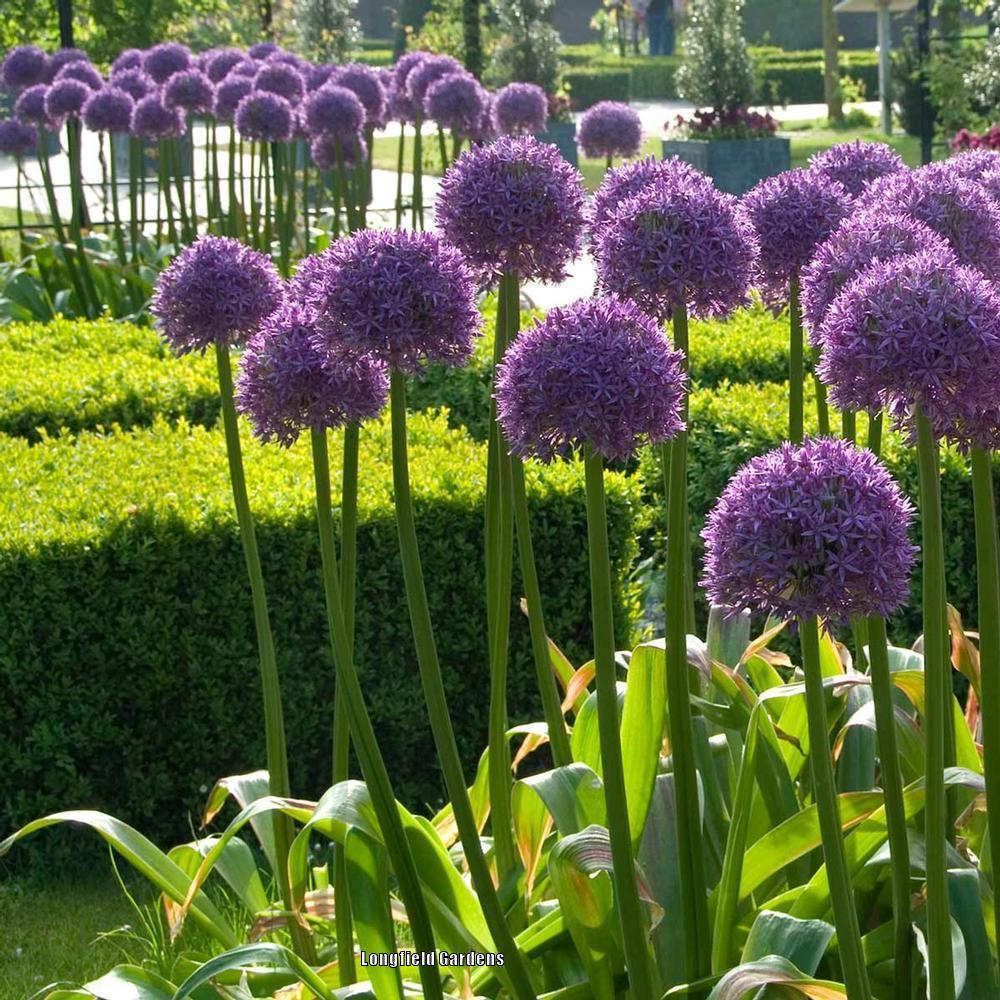
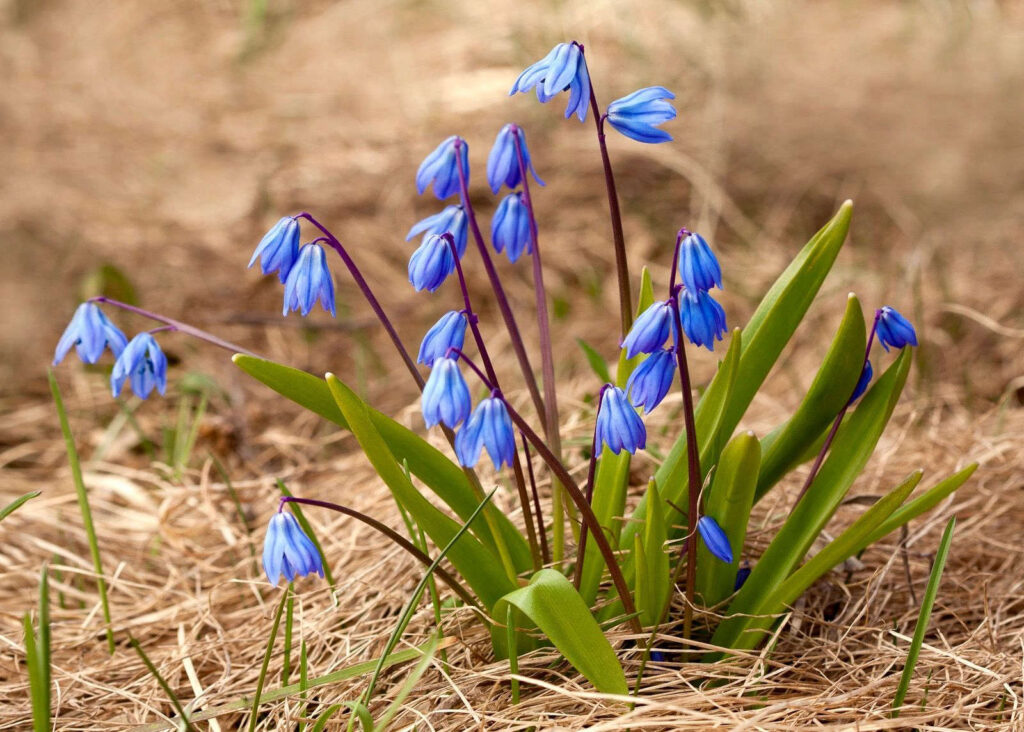
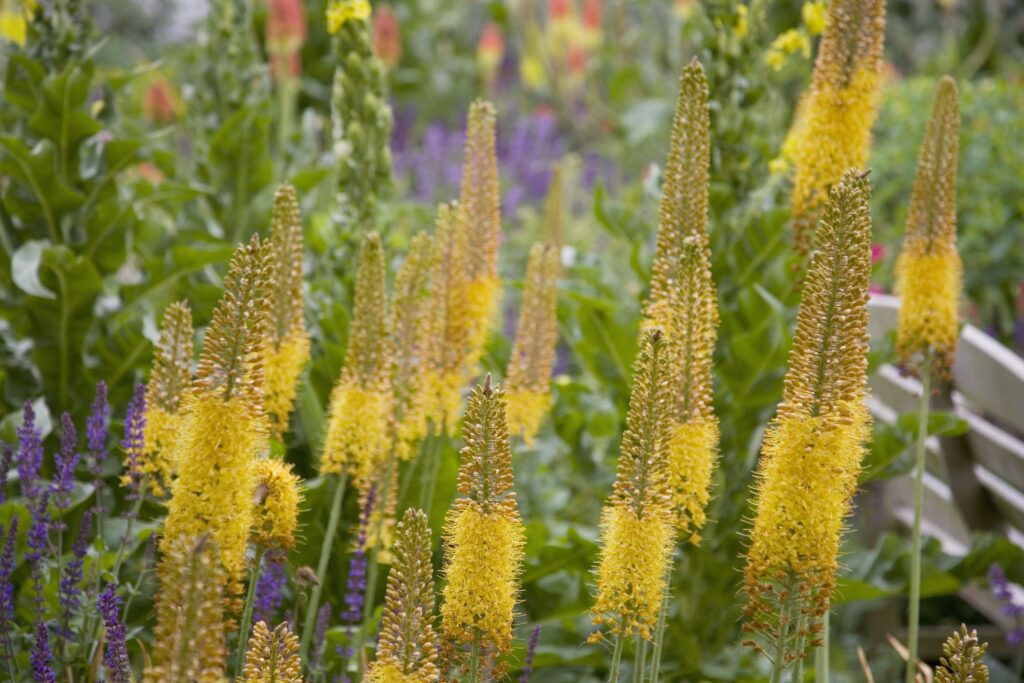
This is the time to order your spring blooming bulbs like daffodils and tulips for early spring bloom. If you have not tried giant alliums (flowering onions), give them a chance. They grow up to 3 feet with giant purple flower heads. Foxtail lilies grow up to 6 feet with yellowish upright blooms. One of the earliest bloomers is the Siberian Squill. It blooms with the crocus, with a height of 6 inches, with blue flowers.
If you have space left in the garden and seeds you have left, like radish, lettuce, spinach, or kale, this is the time to plant for a September harvest. They can be grown in a shady area of the garden.
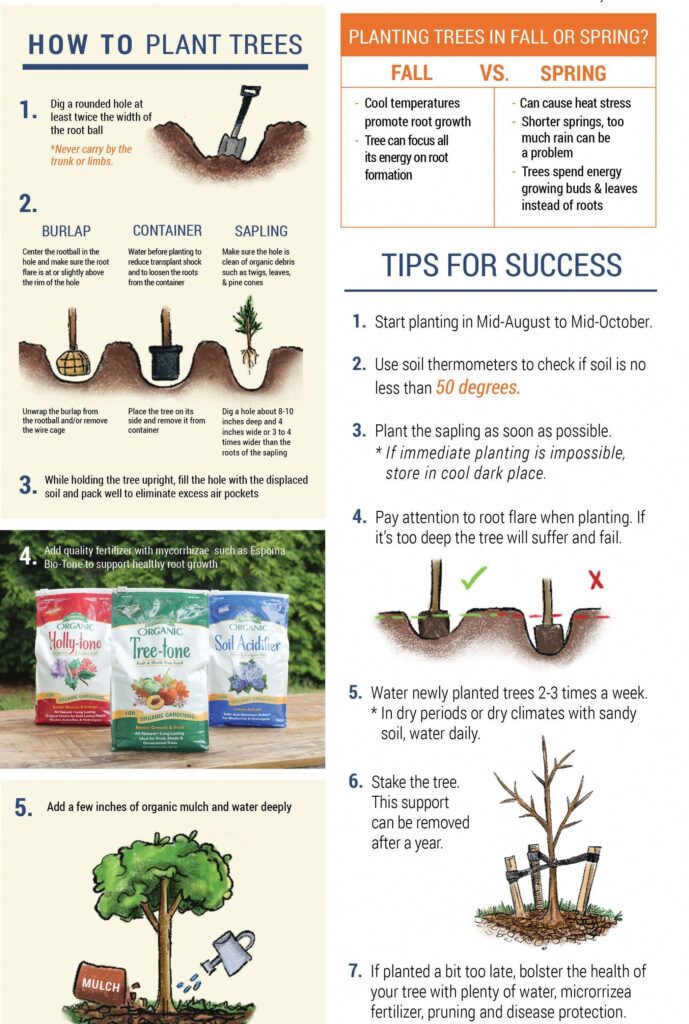
Greenhouse still offers shrubs and trees for fall planting. Fall is a great time to plant these because the temperatures are cooler, resulting in less stress on the plant. Plant by mid-September to get the roots starting to grow before the soil freezes. It is good practice to place a straw or hay mulch over the soil after the soil freezes to prevent heaving.
1 comment for “In the Garden this Week (Aug. 6)”