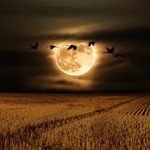
Fall nights are getting longer here in South Dakota, giving us more time to enjoy the night sky this week through October 30, 2026. You don’t need a telescope or any fancy equipment to get started. Just grab a lawn…

Fall nights are getting longer here in South Dakota, giving us more time to enjoy the night sky this week through October 30, 2026. You don’t need a telescope or any fancy equipment to get started. Just grab a lawn…

Fall nights are getting longer here in South Dakota, giving us more time to enjoy the night sky this week. You don’t need a telescope or fancy equipment to get started. Just grab a lawn chair, put on a warm…
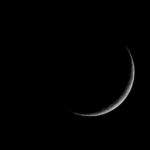
Fall nights are getting longer, and that means more time to enjoy the night sky this week! You don’t need a telescope or any fancy equipment to get started. Just grab a lawn chair, put on a warm jacket, and…

Fall nights are getting longer, making this a great time to spend a few minutes outside looking up in the night sky this week. This week brings Saturn at opposition, close encounters between the Moon and Mars and Jupiter, and…
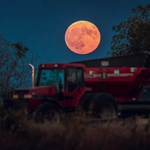
Night sky this week through October 2, 2026: all is officially here, and the night sky is changing right along with the seasons. This week brings a beautiful Harvest Moon, bright planets, and some familiar fall constellations. Grab a lawn…
In the night sky this week through September 25, 2026. As the seasons change, the night sky continues to offer plenty to explore. From bright planets near the horizon to the beautiful constellations overhead, there is always something worth stepping…
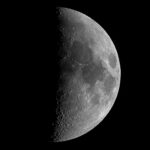
The night sky this week: summer may still be bringing us plenty of heat, but the night sky is getting longer, and the first hints of fall are already showing up in the sky. That makes this a great time…

Night sky this week: Summer may still be bringing us plenty of heat, but the nights are slowly getting longer, and the first hints of fall are already on the way. That makes this a great time to spend a…

Summer is in full swing, and so is the night sky this week! This is one of my favorite times of year to spend a few quiet minutes outside after sunset. If you can battle the mosquitoes for a little…
Summer is in full swing, and so is the night sky this week! This is one of my favorite times of year to spend a few quiet minutes outside after sunset. If you can battle the mosquitoes for a little…

Summer is in full swing, and so is the night sky this week. This is one of my favorite times of year to spend a few quiet minutes outdoors after sunset. If you can battle the mosquitoes for a little…

Summer is beginning to settle into the night sky this week, and this is one of my favorite times of year to spend a few quiet minutes outdoors after sunset. The evenings are warm, the days are long, and the…
Summer is beginning to settle into the night sky this week, and this is one of my favorite times of year to spend a few quiet minutes outdoors after sunset. The evenings are warm, the days are long, and the…

The night sky this week through June 26th, 2026, summer is beginning to make its presence known. The evenings are warm, the days are long, and some of the most familiar sights of summer are starting to take center stage.…
Summer is beginning to make its presence known in the night sky this week. The first day of summer in 2026, the June solstice, is one of those moments you feel as much as you understand. When you step outside…