Fall nights are getting longer here in South Dakota, giving us more time to enjoy the night sky this week through October 30, 2026. You don’t need a telescope or any fancy equipment to get started. Just grab a lawn chair, put on a warm jacket, and head outside for a little stargazing!
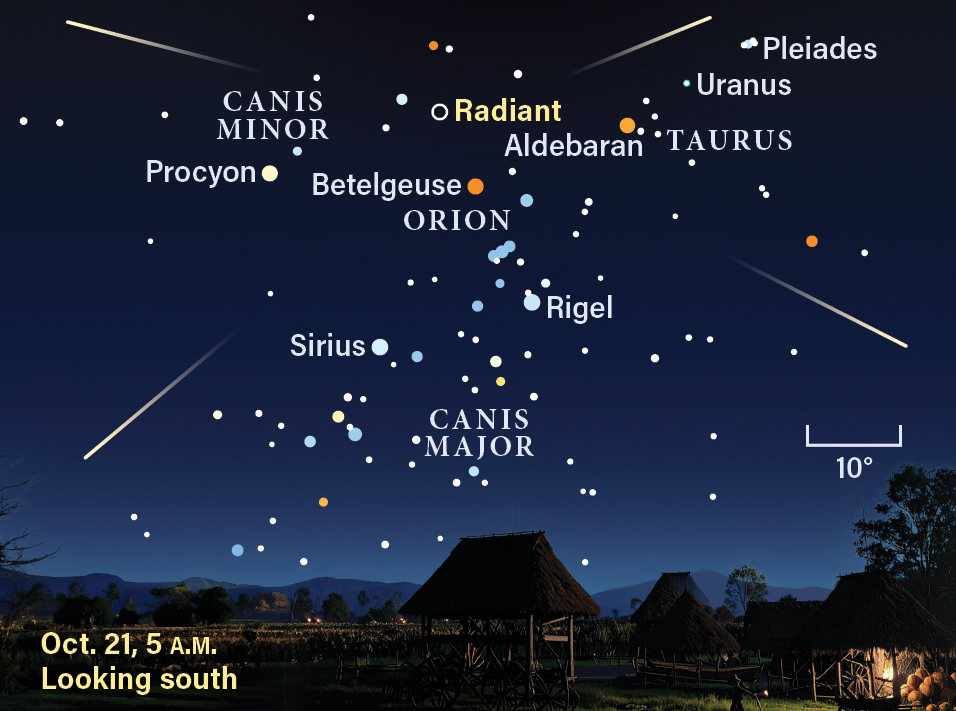
This week, we have plenty to look forward to. Saturn is shining in the evening sky, Mars and Jupiter are morning favorites, and the Orionid meteor shower is winding down after its annual October show. We also have a full Hunter’s Moon to enjoy. Whether you’re an early riser or someone who enjoys staying up late, there’s something worth looking for!
🌕 The Hunter’s Moon in the Night Sky
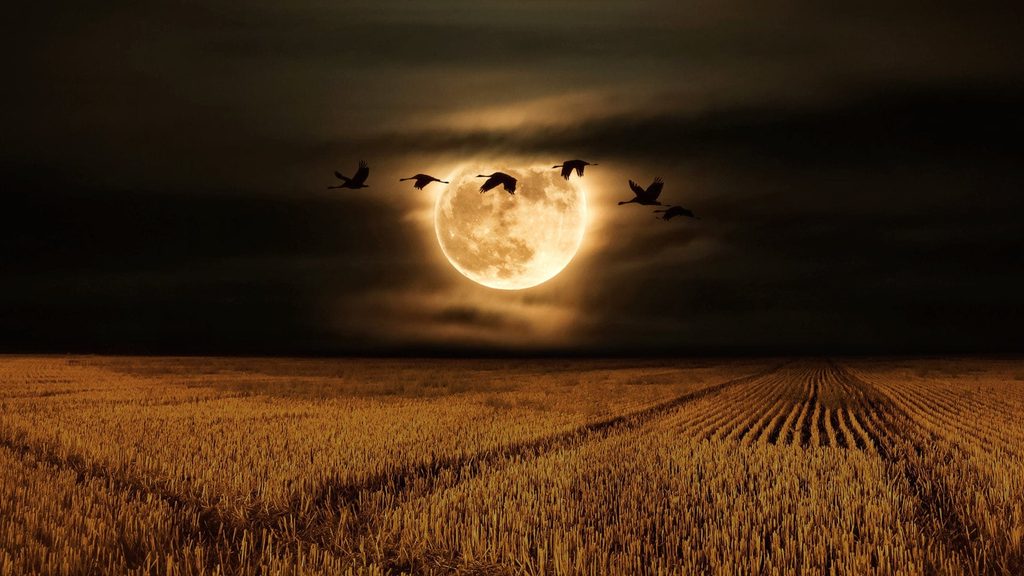
The full moon arriving Monday is known as the Hunter’s Moon, the traditional name for the full moon that follows the Harvest Moon.
Long before electric lights, the bright moonlight helped hunters see across fields and landscapes after sunset. This extra light helped during the fall season, when people prepared for the coming winter and gathered food.
The Hunter’s Moon can be especially beautiful as it rises near the horizon. If you have a clear view of the eastern sky, take a few minutes to watch it come up. The moon may appear larger and more colorful when it is close to the horizon, making for a beautiful fall evening.
🪐 Saturn Shines in the Night Sky this Week
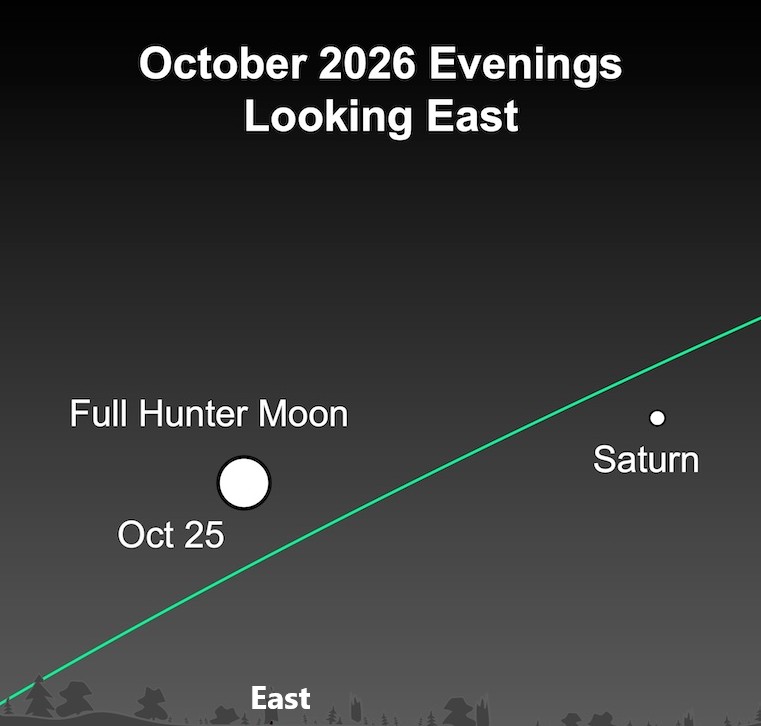
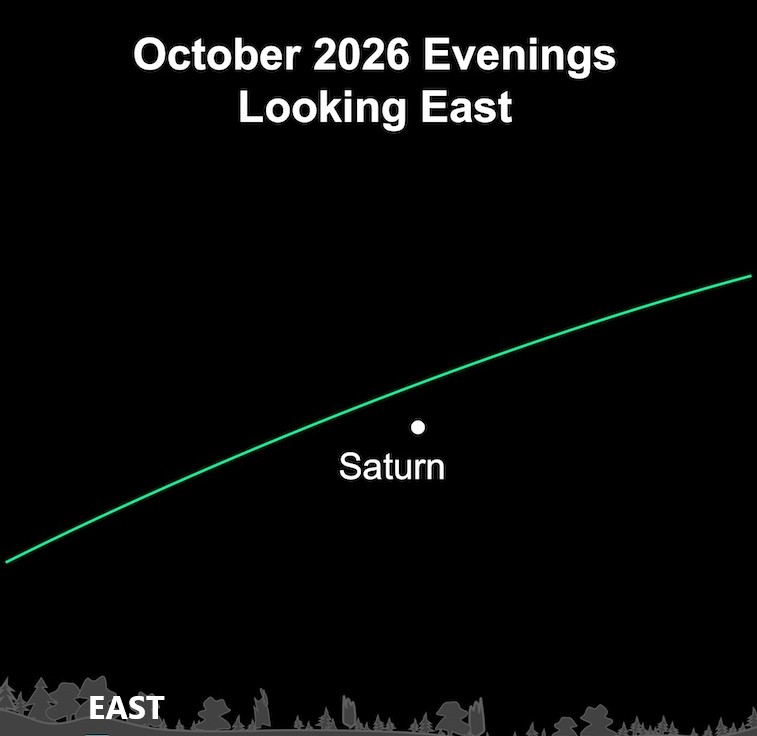
Saturn is a wonderful planet to look for on October evenings. It rises in the east around sunset and remains visible for much of the night. Around midnight, look toward the southern sky, where Saturn climbs high enough to make a good target for observing.
Saturn has a soft, golden appearance and is easy to recognize once you know where to look. If you have a telescope, this is a great time to take a closer look at the planet and its famous rings.
Saturn is currently in the constellation Cetus, also known as the Whale. Although Cetus is sometimes associated with the zodiac in discussions of astronomy, it is not one of the 12 traditional zodiac constellations.
Even without a telescope, Saturn is worth finding on a clear fall evening. It’s fun to look up at that little golden point of light and remember that you’re seeing a giant planet millions of miles away!
On Saturday night, the Moon passes north of Saturn. The two will appear relatively close together in the evening sky, making them an interesting pair to look for.
Mercury Makes a Brief Appearance in the Night Sky
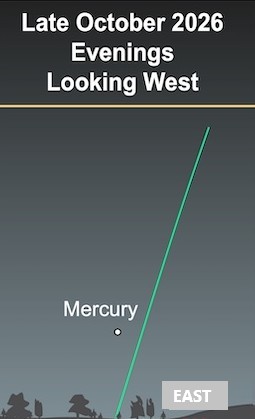
Mercury is a little more challenging to find. This tiny planet is visible for a short time after sunset, low in the southwestern sky.
Look about 20 to 30 minutes after sunset, but don’t wait too long. Mercury disappears below the horizon fairly quickly. Binoculars may help you spot it, but make sure the Sun has completely set before using them.
Mercury is one of those planets that can be fun to find simply because it doesn’t stay visible for very long!
🌅 Early Morning: Look for Mars and Jupiter
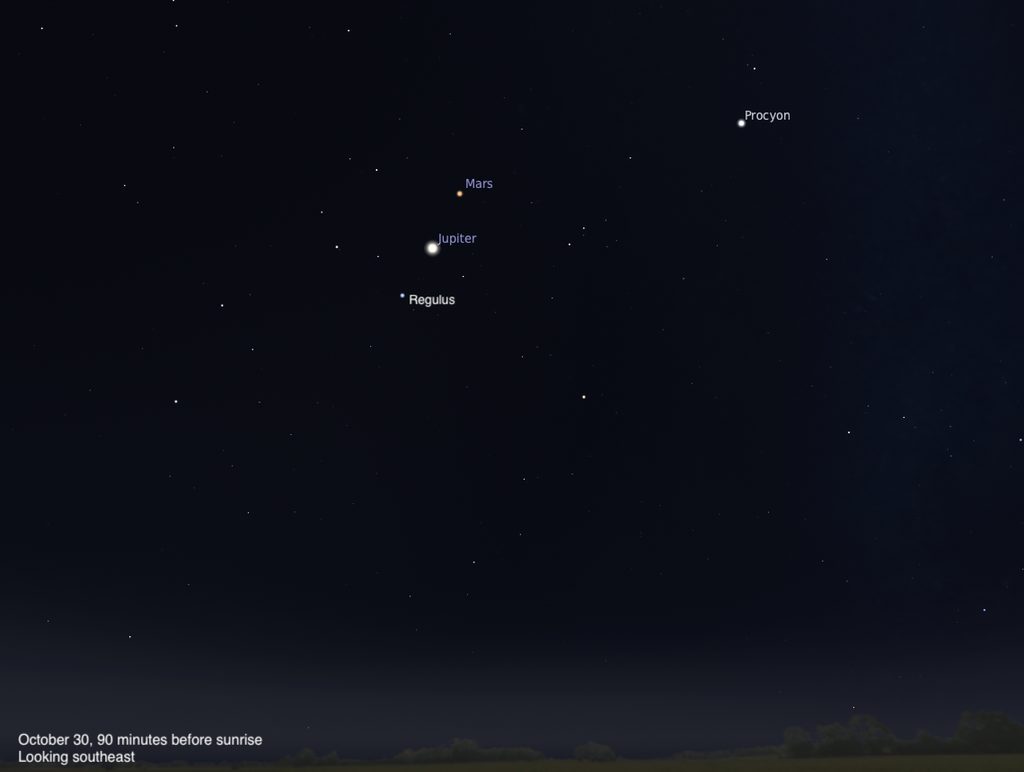
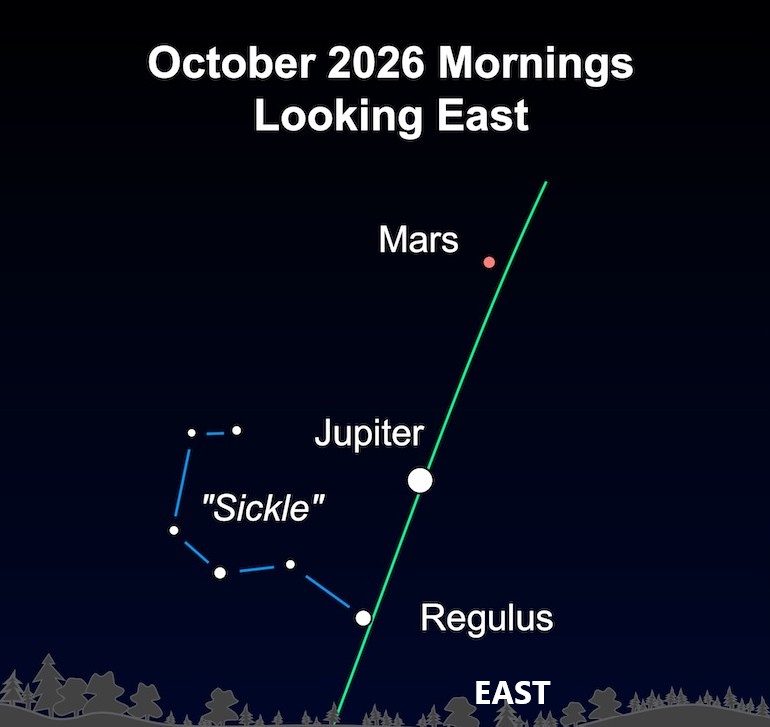
If you’re an early riser—or happen to be awake before sunrise—keep an eye on the eastern sky for Mars and Jupiter.
🔴 Mars: The Red Planet
Mars has a reddish-orange color that can help you recognize it among the stars. It rises around midnight this week and climbs higher as the hours pass.
Mars may not be as bright as Jupiter, but its rusty color makes it interesting to spot. The Red Planet is moving eastward through the sky, getting closer to Jupiter.
You can also look for the Beehive Cluster in the constellation Cancer. This beautiful gathering of stars contains hundreds of members, with roughly 1,000 stars estimated to be associated with the cluster.
Binoculars are helpful for seeing more of its stars. Mars has been passing near this cluster earlier in October, so the distance between them changes as the month goes on.
🪐 Jupiter Lights Up the Morning Sky
Jupiter is another morning-sky favorite. Look toward the eastern sky before sunrise for this bright planet. It stands out against the darker sky and is usually one of the easiest planets to recognize without any equipment.
If you’re already outside looking for meteors before dawn, take a few extra minutes to find Jupiter and Mars, too. Just be sure to head back inside before your coffee gets cold!
🔭 A Challenge for Early Risers: Uranus
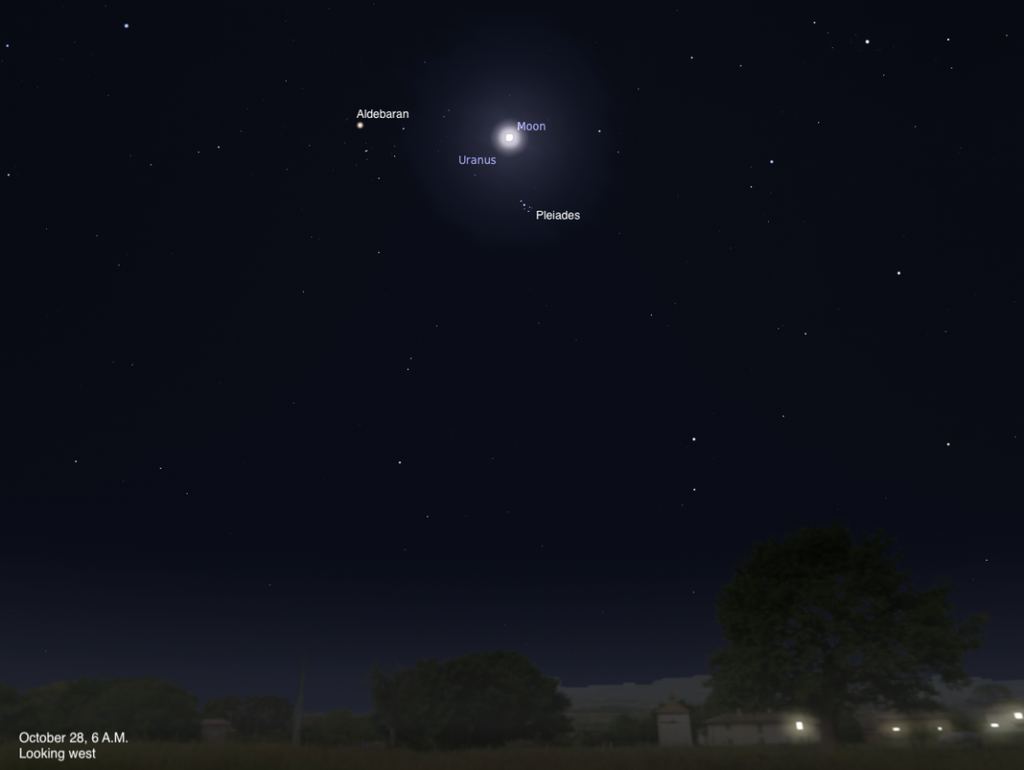
If you’re up for a little extra stargazing, try finding Uranus.
On Wednesday morning, the Moon passes north of Uranus around 6 a.m. The two will appear close together in the sky, although Uranus is much farther away.
Uranus is difficult to see with the naked eye, especially with the bright Moon nearby. Binoculars or a telescope will help you locate it.
If you have binoculars, this can be a fun opportunity to try spotting a planet that most people never get to see!