
In the garden this week is planting time. When you’re planting flowers, it’s a good idea to pinch off any blossoms before putting them in the ground. It feels a little backwards, but it helps the plant focus on what really matters first, building strong roots and healthy leaves. Those early blooms take energy, and giving that energy back to the plant will pay off later with better growth and more flowers. Same for vegetables with that one tomato or pepper hanging off the plant.
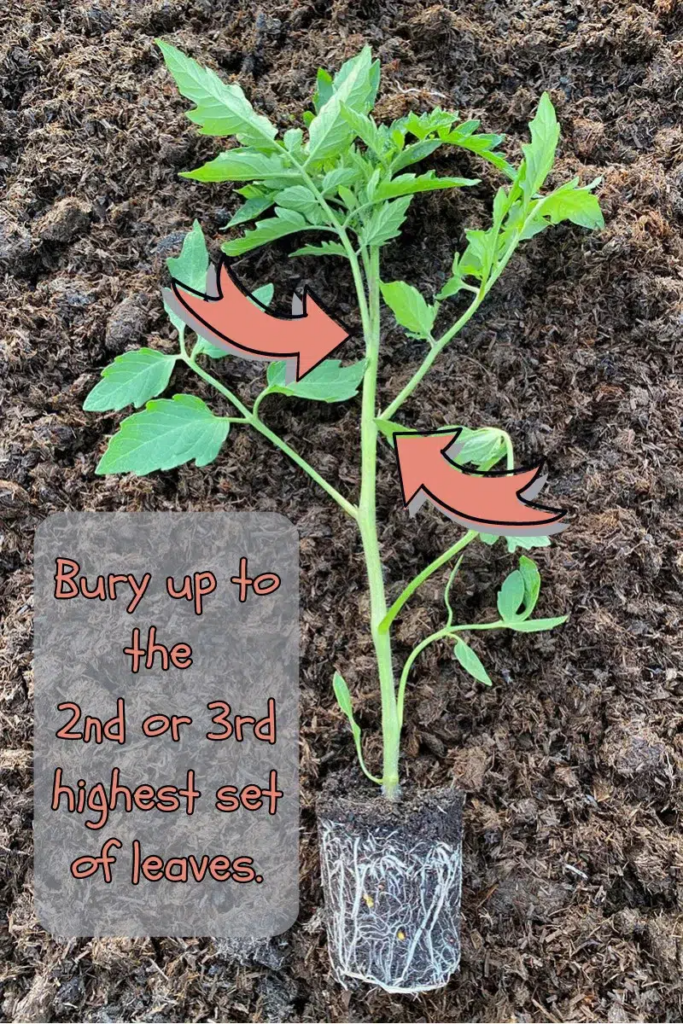
Tomatoes actually benefit from being planted deep. Go ahead and remove the lower leaves and set the plant deep in the soil. Even lay it in a shallow trench with just the top growth sticking up. Wherever the stem is buried, it will start to form new roots. That means a stronger, more established plant. In general, smaller tomato transplants tend to do better anyway, they adjust quicker and experience less transplant shock.
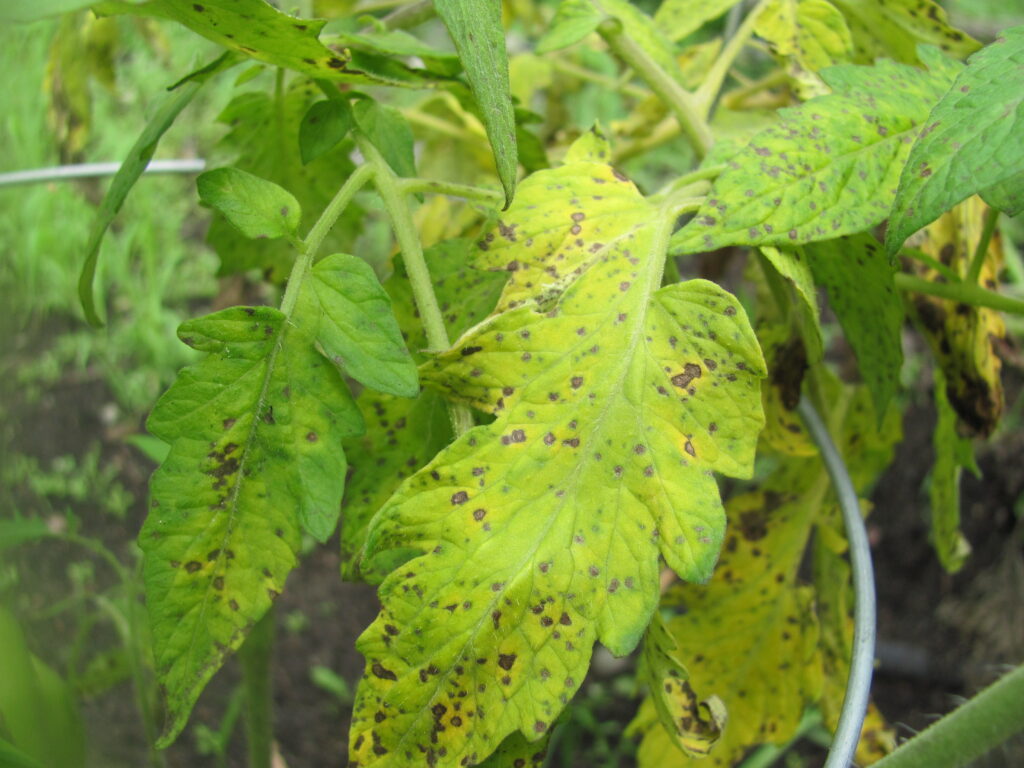
As the season goes on, keep an eye on those tomato leaves, especially the lower ones. You may start to notice spotting, which could be septoria leaf spot or even early or late blight. If that happens, remove the affected leaves right away to slow it down. Consider starting a regular spray program with an all-purpose garden fungicide. The goal is to protect the newer, healthier growth at the top of the plant.
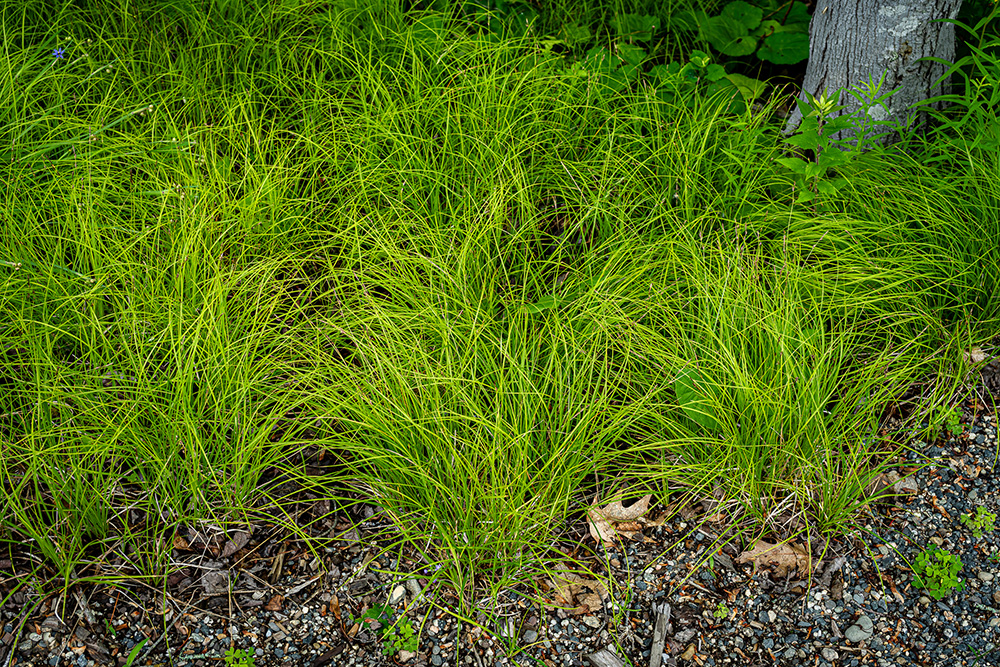
Right now, sedges are becoming a popular choice for planting under trees. They handle shade well, stay low-maintenance, and often keep growing even when other plants start to fade. In many cases, they only need one or two mowings a season. This makes them a practical option for tough shady areas.
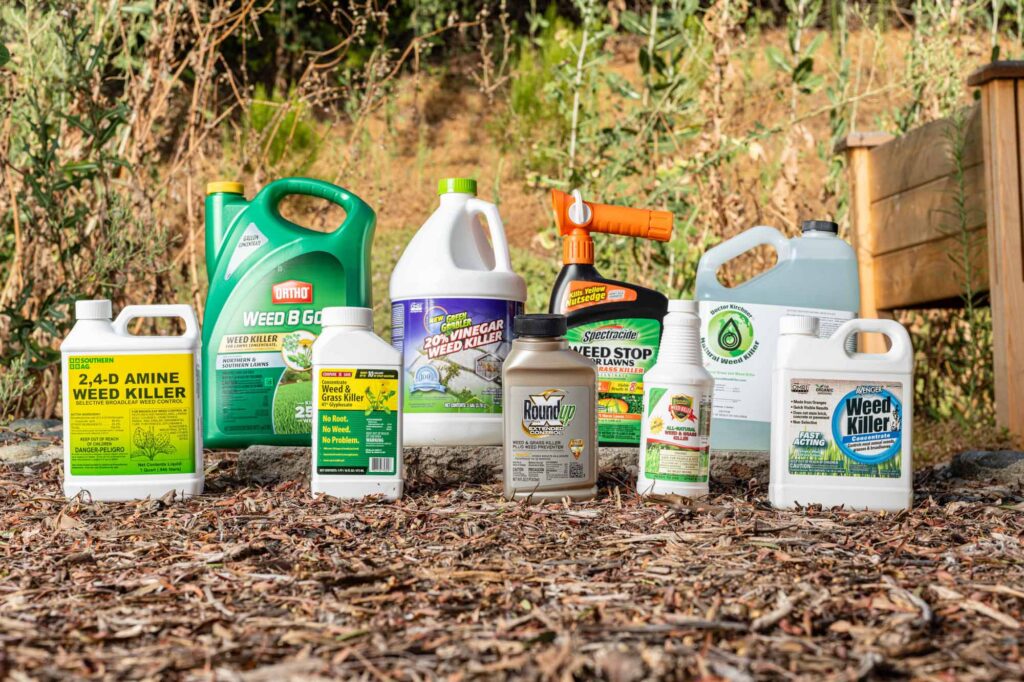
When it comes to herbicides, it helps to understand that there are really three main types, and they often get mixed up. The first is a grass killer. These are designed for small, unwanted annual grass in flower beds or around shrubs. Just be careful, don’t use them on your lawn because they will kill your turf grass too.
The second type is a nonselective herbicide, often called a weed and grass killer. These products kill almost everything they touch, including both grasses and broadleaf plants. Think products like Roundup or Ground Clear. They’re best used on driveways, sidewalks, rock beds, or other areas where you want complete control.
The third type is lawn weed killers. These are made to target broadleaf weeds in turf without harming the grass itself. Most of them are “3-way” mixes that include ingredients like 2,4-D, dicamba, and others to get a broad range of weeds under control.
You may also start seeing some newer “organic” weed killers on the market, like Spruce. While they tend to be easier on the environment, they don’t always perform well on established perennial weeds, and they can be a bit pricey for what they do.
No matter what product you’re using, always read the label first. Timing and conditions matter more than people think. Avoid spraying when it’s windy or when temperatures are above about 85 degrees.
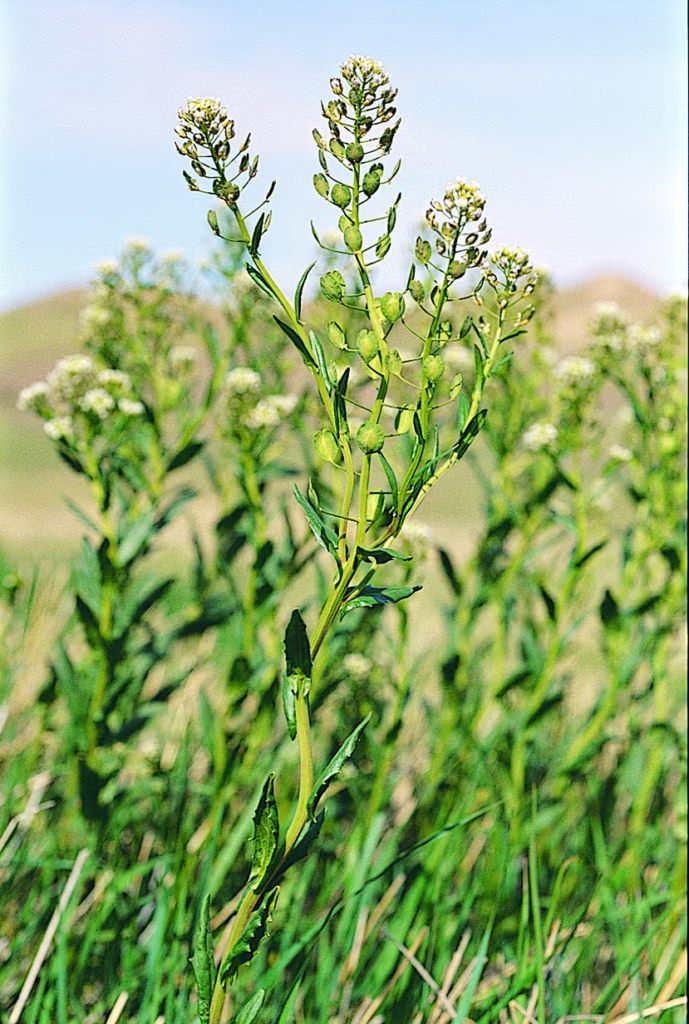
For now, the simplest and most reliable weed control is still mowing and hand-pulling. I’ve been battling pennycress in my own garden, and honestly, pulling and hoeing are the only way to stay ahead of it. Each plant can produce hundreds of seeds, so letting even a few go to seed just makes next year’s problem worse.