
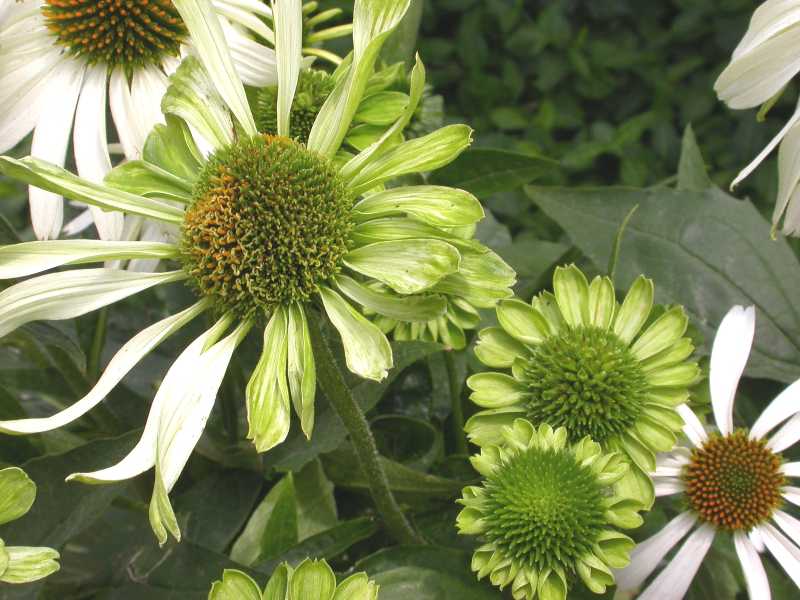
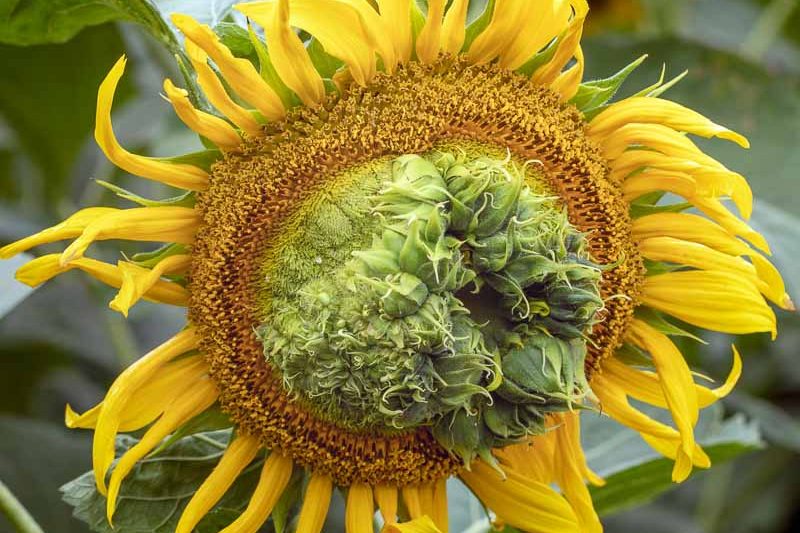
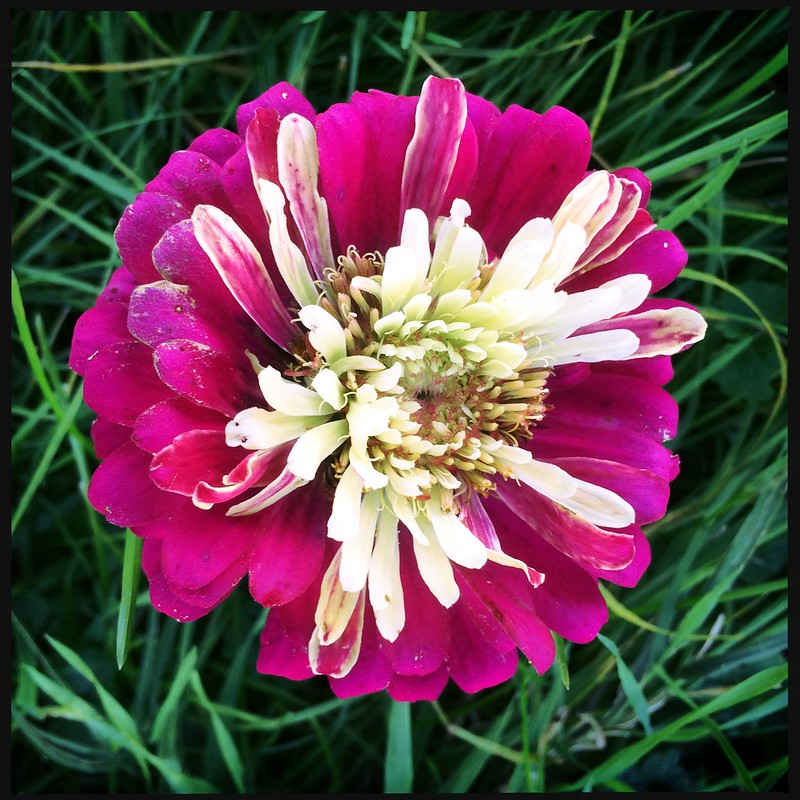
Aster yellows is a prevalent plant disease in the garden this week, caused by phytoplasmas. This bacterium exhibits viral-like behavior. It is spread by little insects called leafhoppers that suck sap from one plant and carry the disease to another. Your pruners can also spread the disease. When a plant gets it, the leaves can turn yellow, new growth looks twisted or stunted, and flowers may turn green or deformed instead of blooming normally. Yellows affects a wide range of plants like vegetables, flowers, grain crops, and even weeds. Unfortunately, once a plant has it, there’s no cure. The best approach is to remove the infected plants and try to control the leafhoppers. Good news is that it cycles every few years.
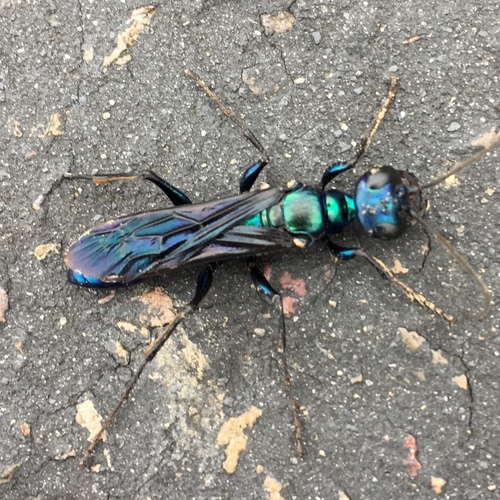
Someone sent a picture of a steel blue cricket hunter. This is a good guy wasp that will feed on crickets by taking them back to their burrow, laying eggs. When the eggs hatch, the larvae feed on the paralyzed cricket. They are nonaggressive.
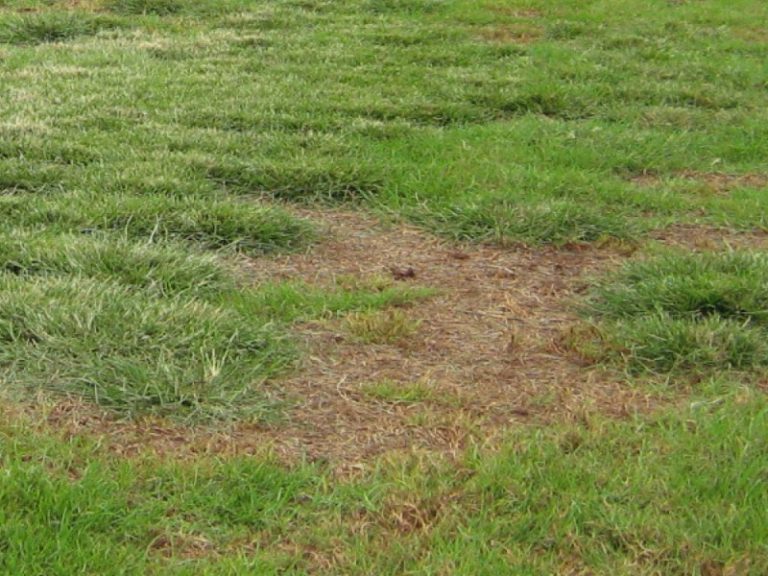
You’ve got a few bare patches in your lawn; overseeding is a quick and easy way to bring them back to life. Start by cleaning up the spot—rake out any dead grass and loosen the soil a bit so the new seed has a good place to settle in. If the area is low or thin, you can sprinkle in a little fresh topsoil to even it out.
Next, grab some grass seed that matches your existing lawn and spread it evenly over the spot. After that, lightly rake the area so the seed gets tucked just under the surface. This helps keep it from washing or blowing away.
Now the most important part—watering. Give the area a gentle misting to keep it moist and try to water lightly but often until the new grass gets established. Once the fresh blades are about three inches tall, you can mow them along with the rest of your lawn, and before you know it, those bare spots will blend right in.
If you have not ordered your fall bulbs, now is the time to get that done. Maybe pick up some at the local stores.
1 comment for “In the Garden this Week (August 25)”