
I’ve been getting a lot of questions in the garden lately about vegetables that are blooming but are not producing. If your garden seems to be taking its time this year, don’t worry, you aren’t alone.
With vining crops like cucumbers, squash, and pumpkins, the first flowers that appear are usually male flowers. They don’t produce fruit, but they provide the pollen needed for the female flowers that follow. In another week or two, you should start seeing more female blossoms, which have a tiny fruit already forming behind the flower. Once they’re pollinated, they’ll begin growing into your harvest.
Tomatoes and peppers are another story. When daytime temperatures climb above 85°F, they often struggle to set fruit. The blossoms may simply dry up and fall off without producing anything. Once temperatures become a little more moderate, they’ll usually start producing again. Because of this summer’s heat, don’t be surprised if some vegetables are running a bit behind schedule.
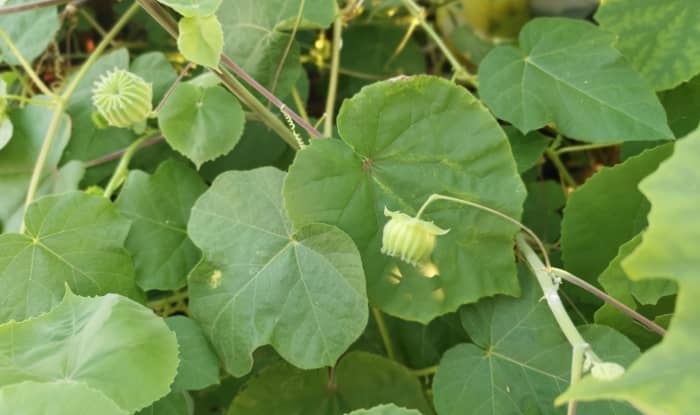
One weed that’s showing up everywhere this year is velvetleaf. At first glance, it almost looks attractive enough to keep around, thanks to its large, soft leaves. Don’t let it fool you!
Pull it as soon as you spot it. A single velvetleaf plant can produce up to 75,000 seeds, and those seeds can remain viable in the soil for 50 years or more. Taking a few minutes to remove it now can save you a lot of work in future gardens.
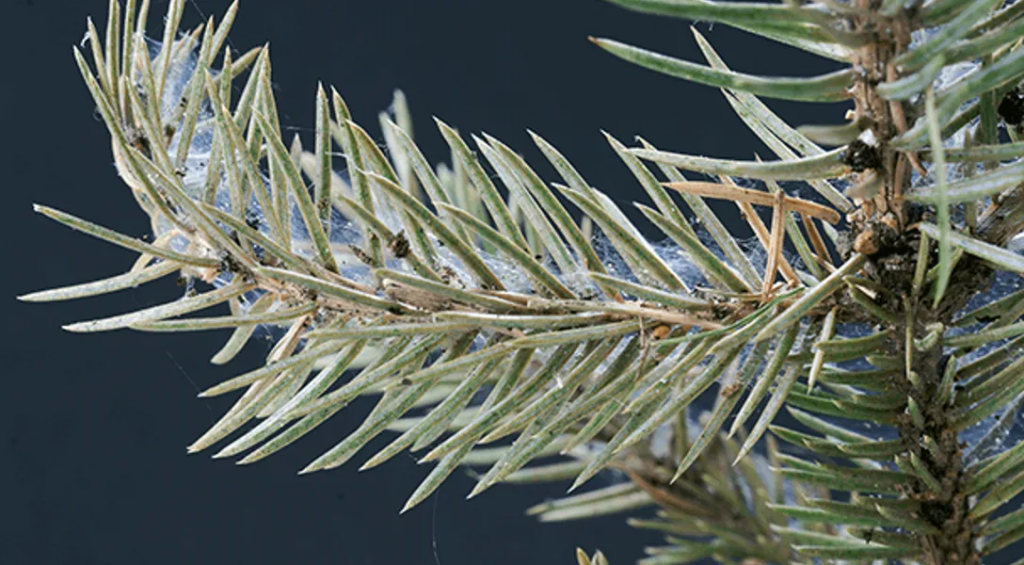
Whenever we get stretches of hot, dry weather, spider mites seem to move right in. These tiny pests feed on plant leaves, leaving behind tiny white or yellow speckles known as stippling. If left untreated, plants can become stressed and lose vigor.
An easy way to check for spider mites is with a sheet of white paper. Hold it under a branch or leaf and give the plant a gentle shake. If spider mites are present, you’ll see tiny red or brown dots crawling across the paper.
On pine and spruce trees, another clue is the appearance of fine, silky webs between the needles.
If you find spider mites, you have several options:
- Spray plants with horticultural oil or neem oil.
- Apply a labeled systemic or miticide product if infestations are severe, following label directions.
- If you prefer to avoid insecticides, a strong blast of water from the garden hose every few days can knock many of them off the plants and help keep populations under control.
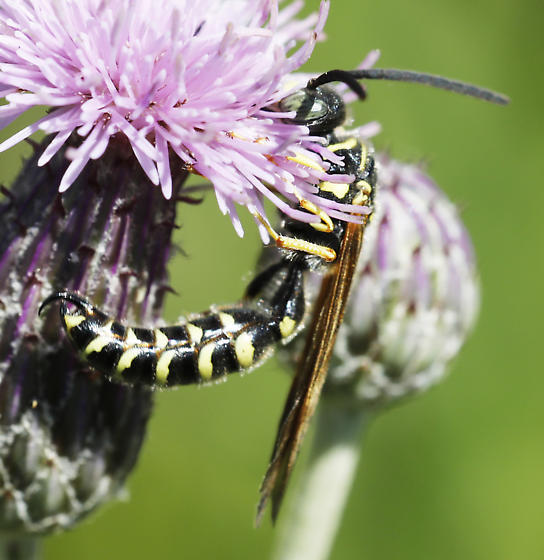
Someone recently brought me a strange-looking whitish wasp to identify. After a little research, it turned out to be a five-banded wasp.
Although it looks intimidating, it’s actually harmless to people. Its stinger isn’t designed to penetrate human skin. Instead, the female uses it to paralyze scarab beetle grubs so she can lay her eggs. They’re also valuable pollinators, making them one of the beneficial insects you can be happy to see in your yard.
Finally, continue checking your garden this week for cucumber beetles and squash bugs. Catching these pests early is much easier than trying to control them after they’ve multiplied. A quick walk through the garden every few days can help you spot problems before they become serious.
2 comments for “In the Garden (July 23, 2026)”