
I’ve been getting quite a few questions about tomatoes lately, so let’s start in the garden this week.
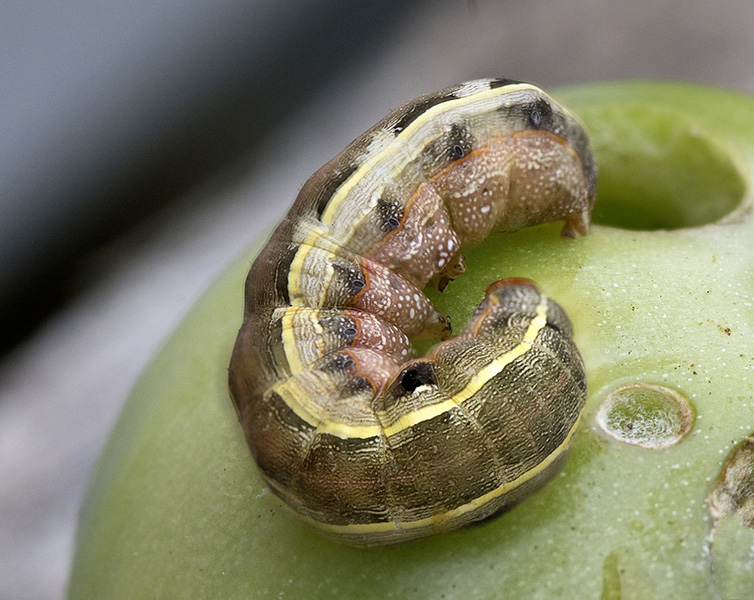
One problem gardeners are noticing is small worms tunneling into green tomatoes. These are tomato fruit worms, and they can grow to about an inch long. Unfortunately, once they get inside the fruit, there’s not much you can do except pick them off when you find them. Checking your plants every day or two is the best defense.
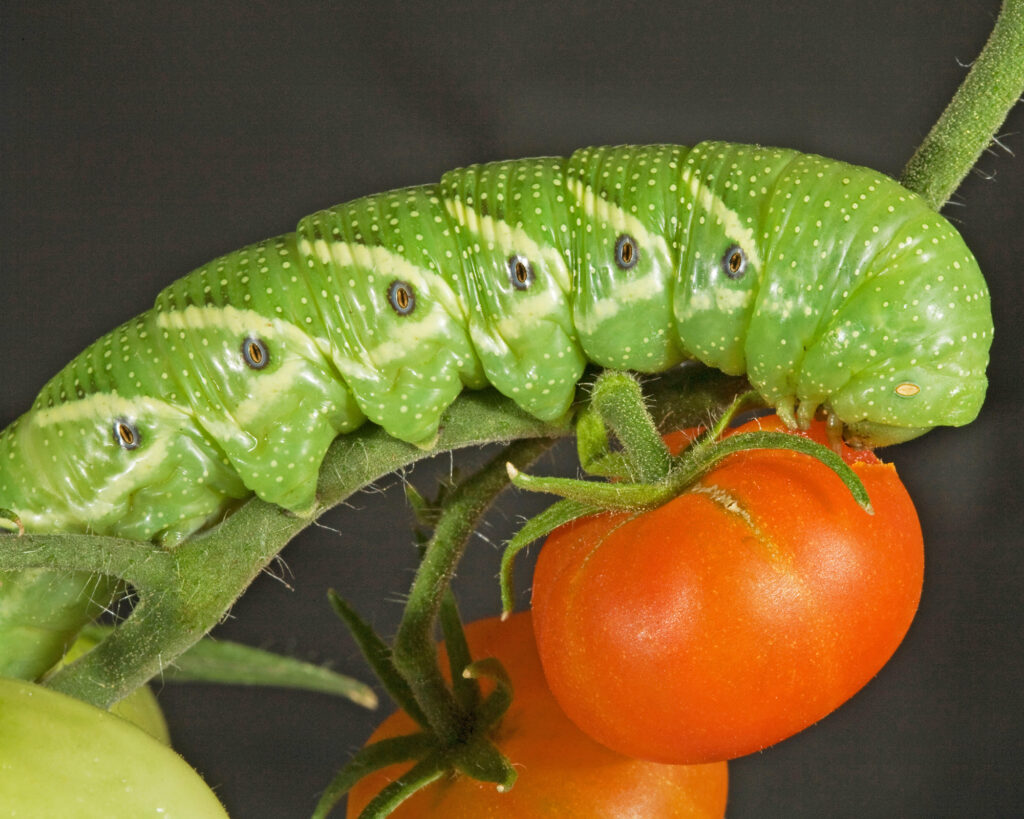
Another tomato pest making an appearance is the tomato hornworm. If you’ve ever walked out to the garden and wondered where half the leaves went overnight, this is probably the culprit! These big green caterpillars can strip a plant in a hurry and will also take bites out of your tomatoes. They’re surprisingly well camouflaged, so look carefully along the stems and undersides of leaves. The easiest control is simply picking them off by hand, especially in the evening when they’re more active. Eventually, these hornworms transform into the large sphinx moths you may see flying around at dusk.
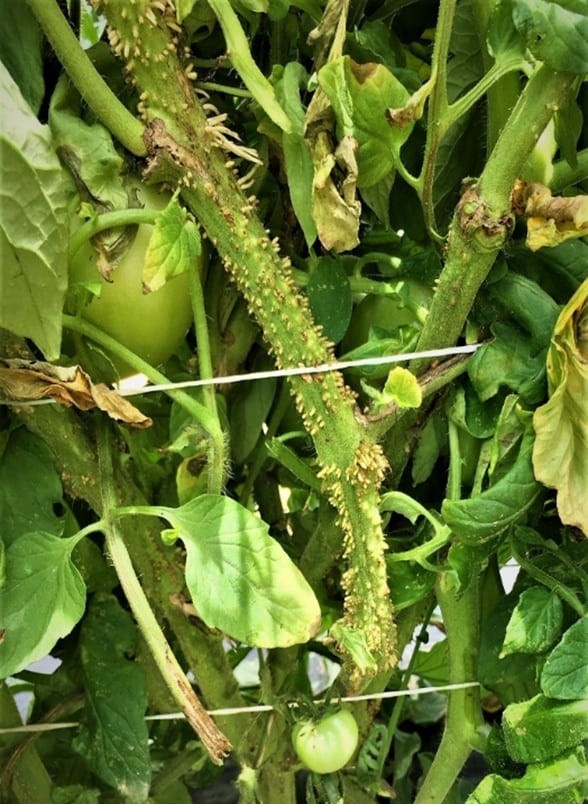
Some gardeners have also noticed little white bumps forming on tomato stems. Don’t worry, those are adventitious roots. Tomatoes naturally produce these along their stems, and if the stem comes into contact with the soil, those bumps will grow into roots. It’s perfectly normal and actually helps the plant if it’s buried deeper.
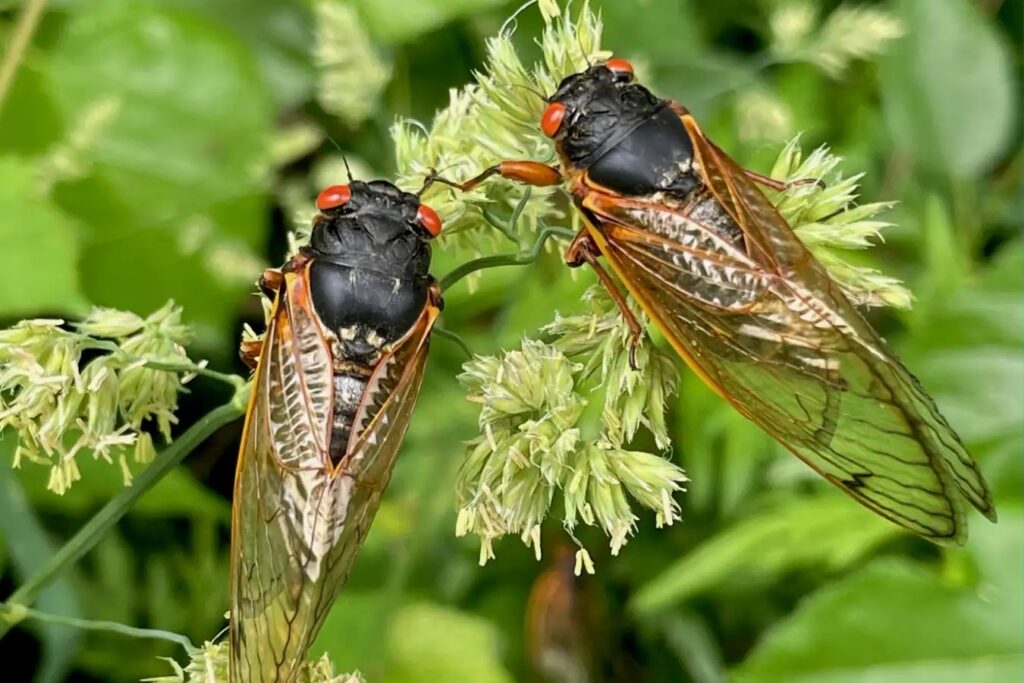
If you’ve been hearing the loud chorus of cicadas lately, you’re not alone. There’s an old saying that once the cicadas start singing, the first frost is about six weeks away. While it’s a fun bit of folklore, their singing really just marks the mating season. The males call to attract females for about five or six weeks, and despite all the noise, they cause very little damage.
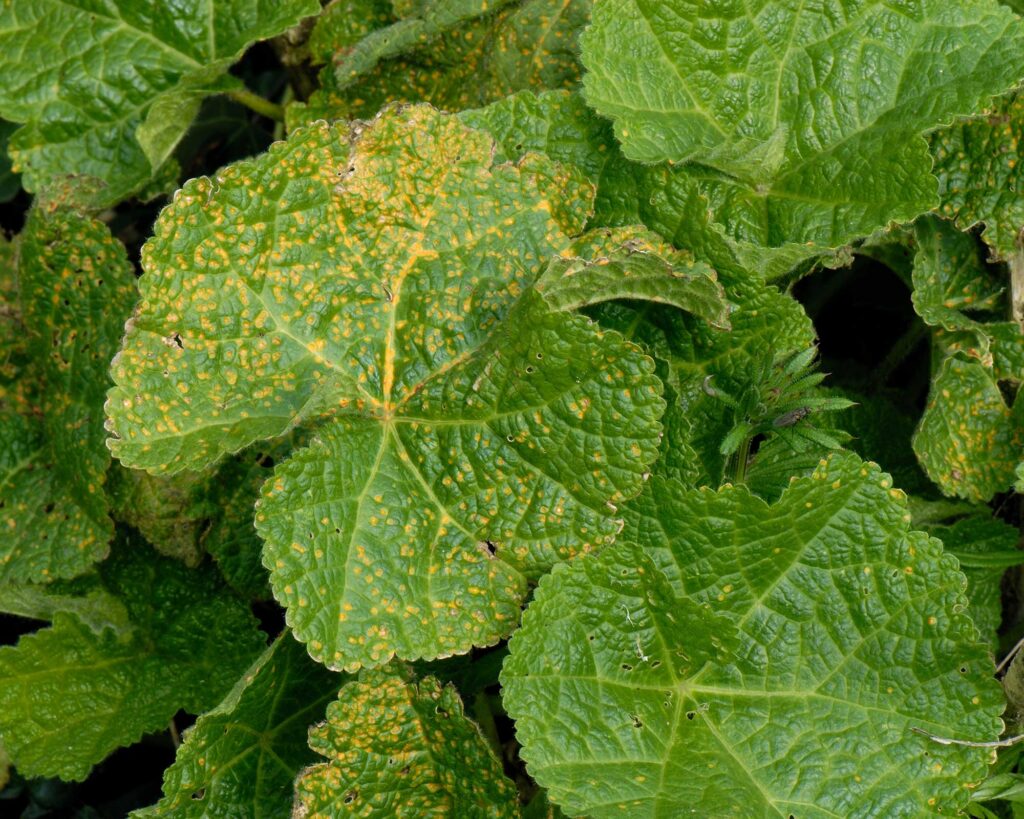
For those of you growing hollyhocks, you may be seeing brown or rusty-colored bumps on the leaves. That’s hollyhock rust, a common fungal disease. It usually won’t seriously harm the plant, although it can make it look a little rough by the end of the season. If you’ve had problems with it in previous years, begin applying a fungicide early next spring and repeat applications as directed. Keeping the grass mowed around your hollyhocks also helps, since grass blades can spread the fungal spores.
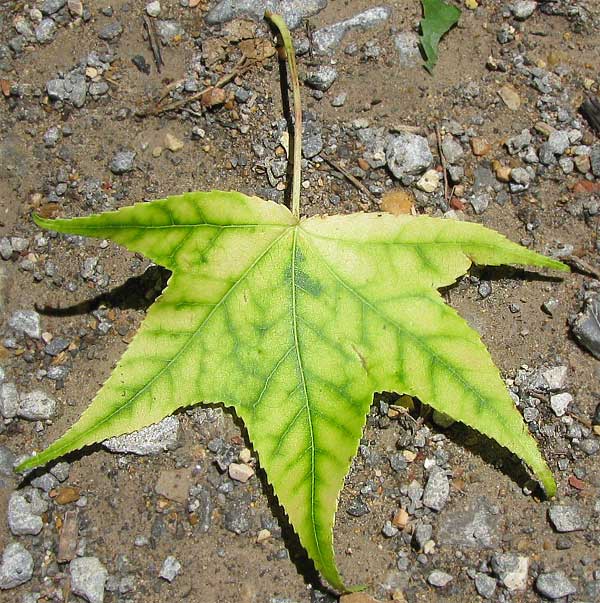
Finally, I’ve been seeing quite a bit of chlorosis this year on certain trees and shrubs. The leaves turn yellow while the veins stay dark green. I like to joke that it’s just the “yellow variety” of the plant, but the real cause is an iron deficiency brought on by our alkaline soils. A foliar iron spray can help green up the leaves temporarily, but it won’t solve the underlying problem. For a long-term fix, adding sulfur to the soil can help lower the soil pH and make iron more available. Just remember, it isn’t an overnight solution. It may take three to five years to see significant improvement.
As always, if you’re seeing something unusual in your garden, don’t hesitate to message me. Chances are your neighbors are seeing the same thing!