
There are a few pests making the rounds in gardens and flowerbeds in the garden this week.
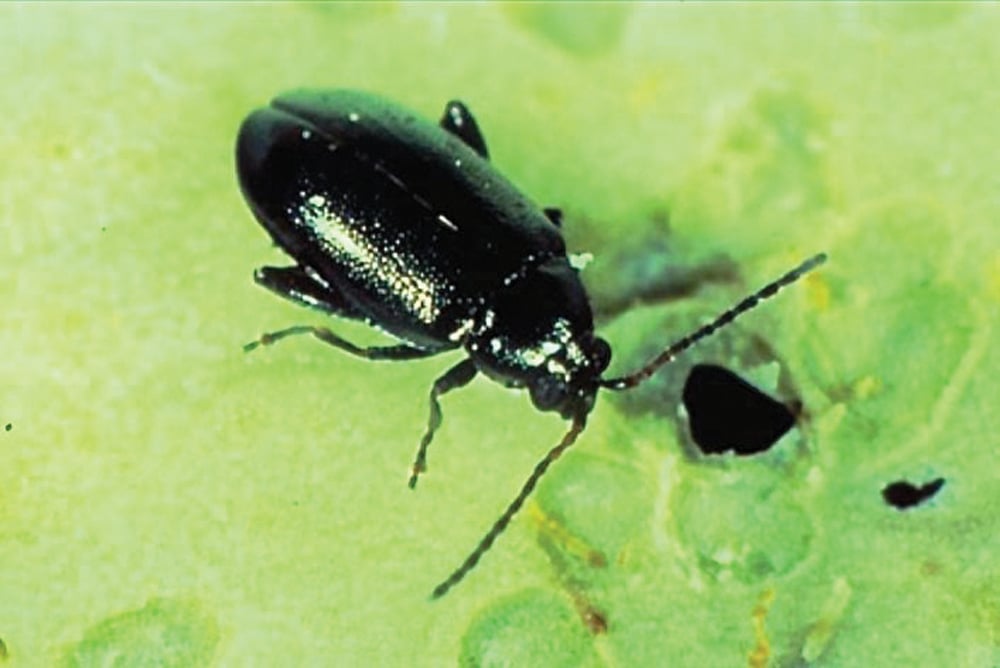
First up — flea beetles. These tiny black beetles hop when disturbed, and they leave little holes in plant leaves that look like they’ve been hit with buckshot (called the shothole effect). If they get bad, you can knock them back with Malathion, Sevin, or insecticidal oils.
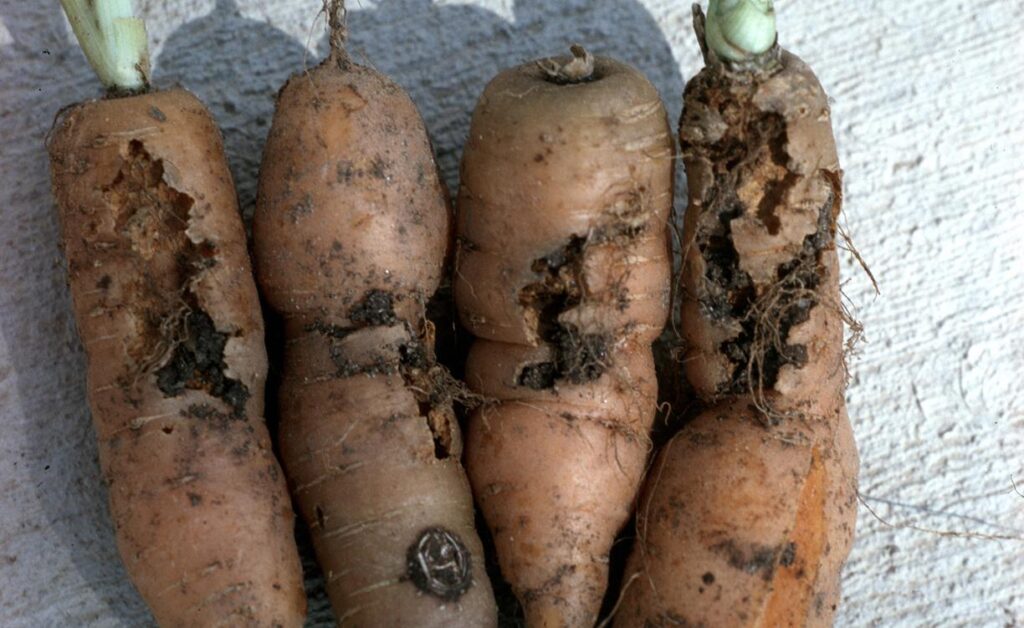
Then we’ve got carrot rootworms. These little troublemakers tunnel through carrots, leaving a mess inside. Unfortunately, if they’re already there, there’s not much you can do. A soil drench with Malathion or Sevin might help, and for the future, crop rotation is your best friend.
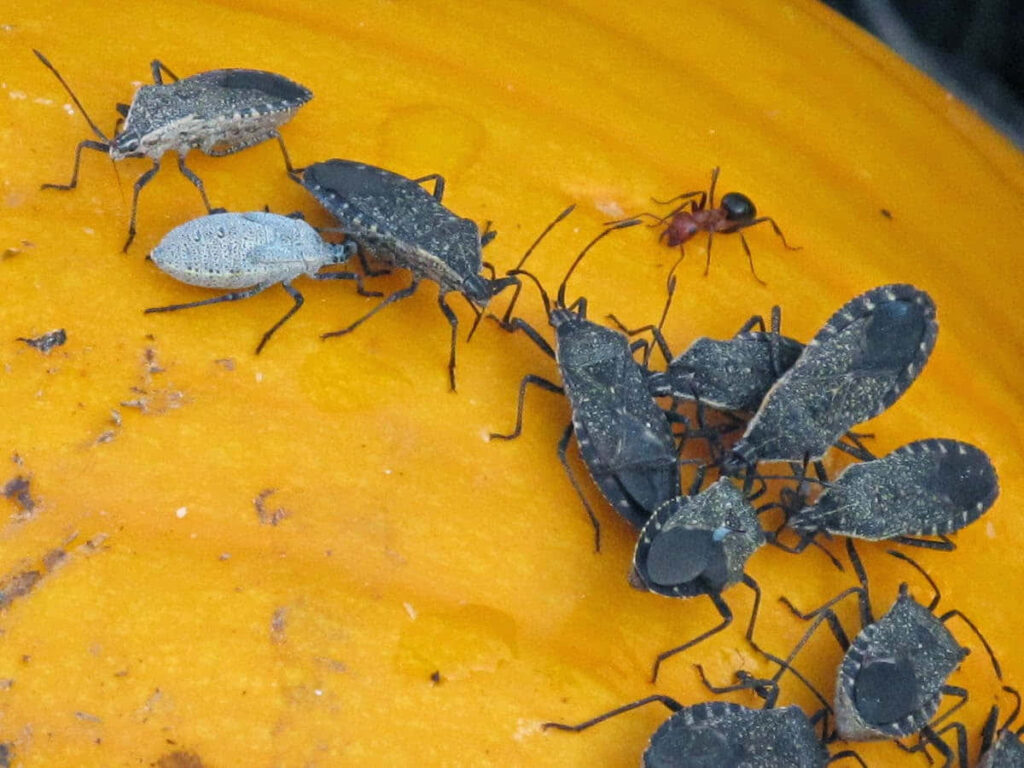
Squash bugs are also out and about. These grayish bugs suck the juices right out of your plants, causing wilting and twisted leaves. Since they like to gather around the base of plants, a well-timed spray of Malathion can work—if the damage isn’t too far gone.
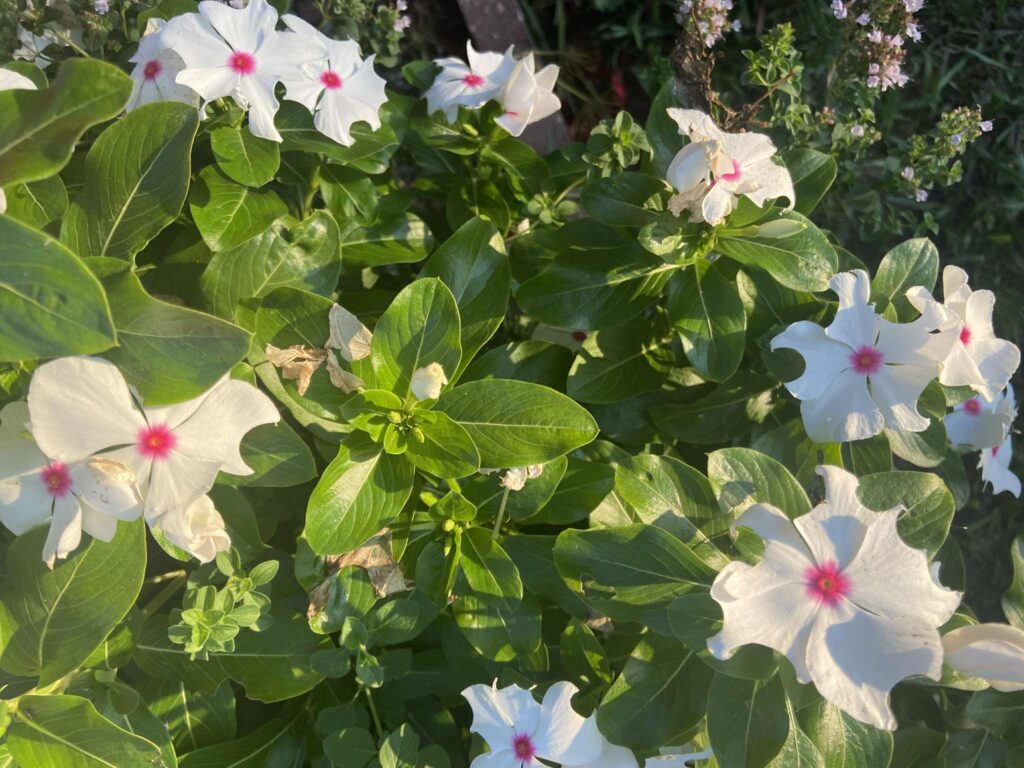
I found out that Leaf-cutter bees like Vinca flower petals. Notice the round cuts in the petals. They are really not a pest, so do not worry about them.
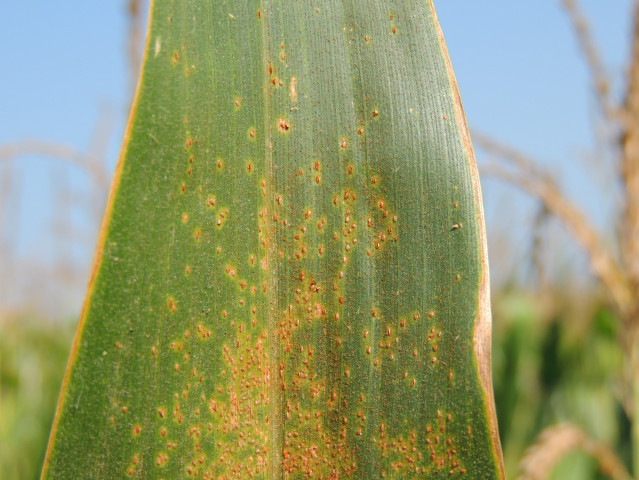
Over in the sweet corn patch, rust has been spotted. You’ll see orange-red spots on the leaves. Once it’s there, there’s nothing to be done, but the good news is it won’t affect the ears if you’re close to harvest.
🌿 Lawn Care Notes
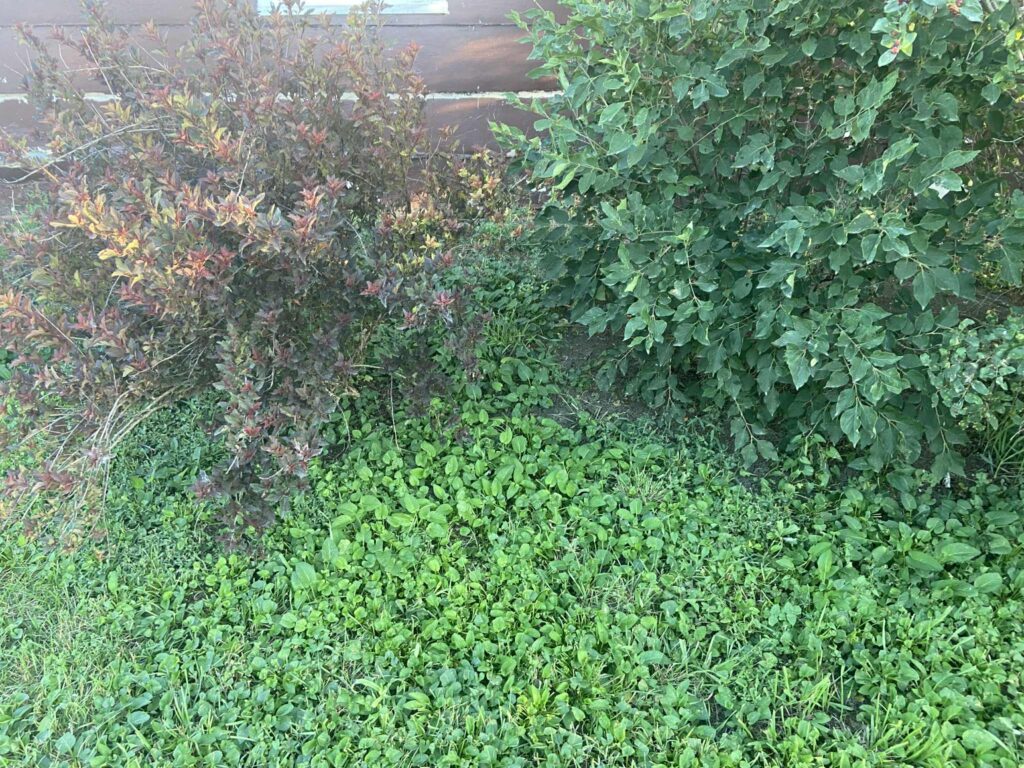
As the weather starts to cool, it’s a perfect time to reseed any dead patches in your lawn. Rake the bare spots down to the dirt, toss in some seed, and keep it watered. Some folks add white clover to fill in stubborn spots where grass struggles, while others go all-in with a clover lawn—it’s tough, needs less mowing and fertilizer, and it’s great for pollinators. I let wild violets grow in my lawn. They thrive in shady spots around shrubs where grass just won’t take, and they make a beautiful groundcover.
🌸 A Weed to Watch
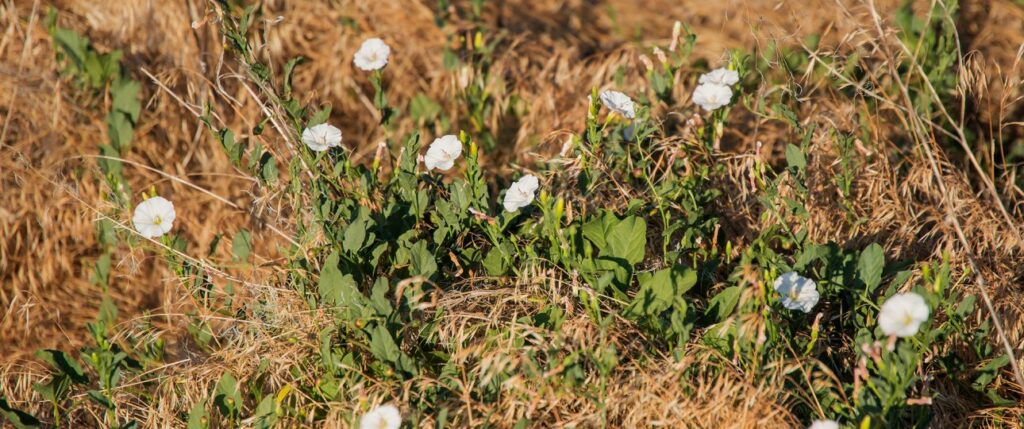
All those white, trumpet-shaped flowers popping up in lawns right now? That’s field bindweed. The best time to spray for it is late September into October, when perennial weeds start sending nutrients from their leaves down to their roots for winter storage, making treatments much more effective.