
This week in the garden (May 7), after a couple of hard freezes this week, the garden season can finally start rolling. The soil is warming up enough now for cool-season crops, so it’s a good time to get radishes, lettuce, spinach, carrots, beets, and onion sets planted. You can also transplant cabbage and onion plants outdoors now without much worry.
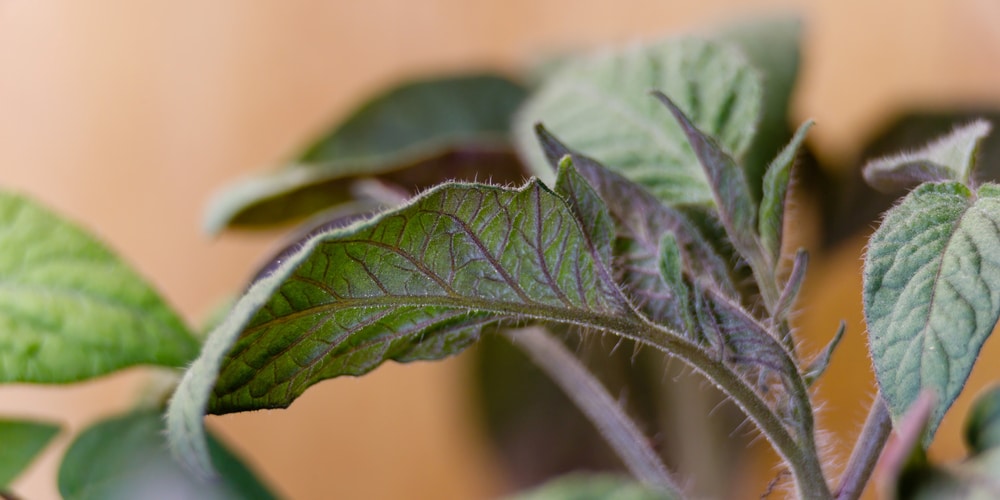
Tomatoes and peppers, though, still need a little patience. They really prefer nighttime temperatures above 50 degrees before they start growing well. Cooler nights can stunt them and even cause those purple leaves gardeners often notice from reduced phosphorus uptake. Vine crops like cucumbers, squash, pumpkins, and melons should wait until nighttime temperatures are consistently above 55 degrees.
Flowerbeds are in a similar situation. Hardy flowers like pansies, salvia, and bachelor buttons can handle the cooler weather and do just fine going out now. Marigolds and zinnias, on the other hand, are much happier once the weather settles down and the nights stay warmer.
If crabgrass has been a problem in your lawn before, this is the right time to apply a preemergent. For tougher weeds like foxtail and sandburs, plan on putting down a second application in about four weeks for better control through the summer.
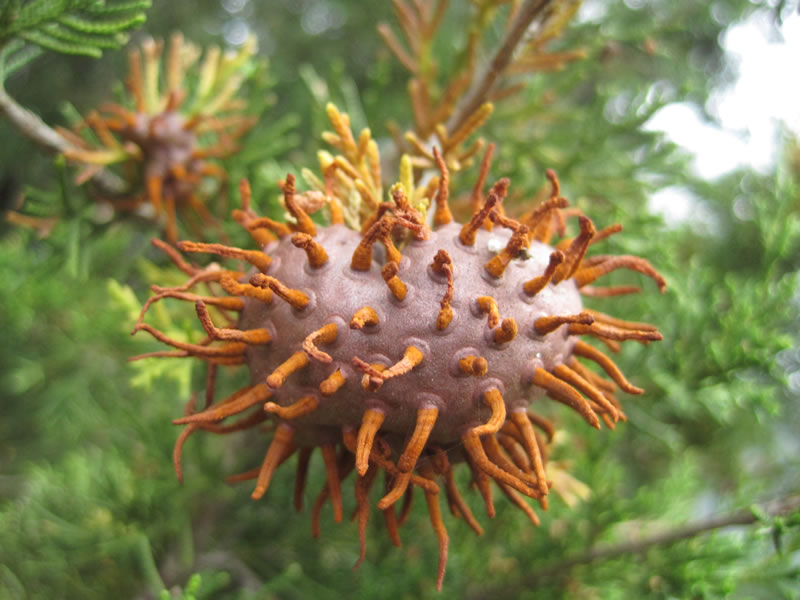
In the next couple of weeks, you’ll probably start noticing those bright orange “spiders” showing up on cedar trees. Those are cedar apple rust galls releasing spores that can spread to apple trees through the wind. If rust has been an issue on your apple trees in the past, that’s the signal to spray with an all-purpose orchard spray and follow the label directions carefully.
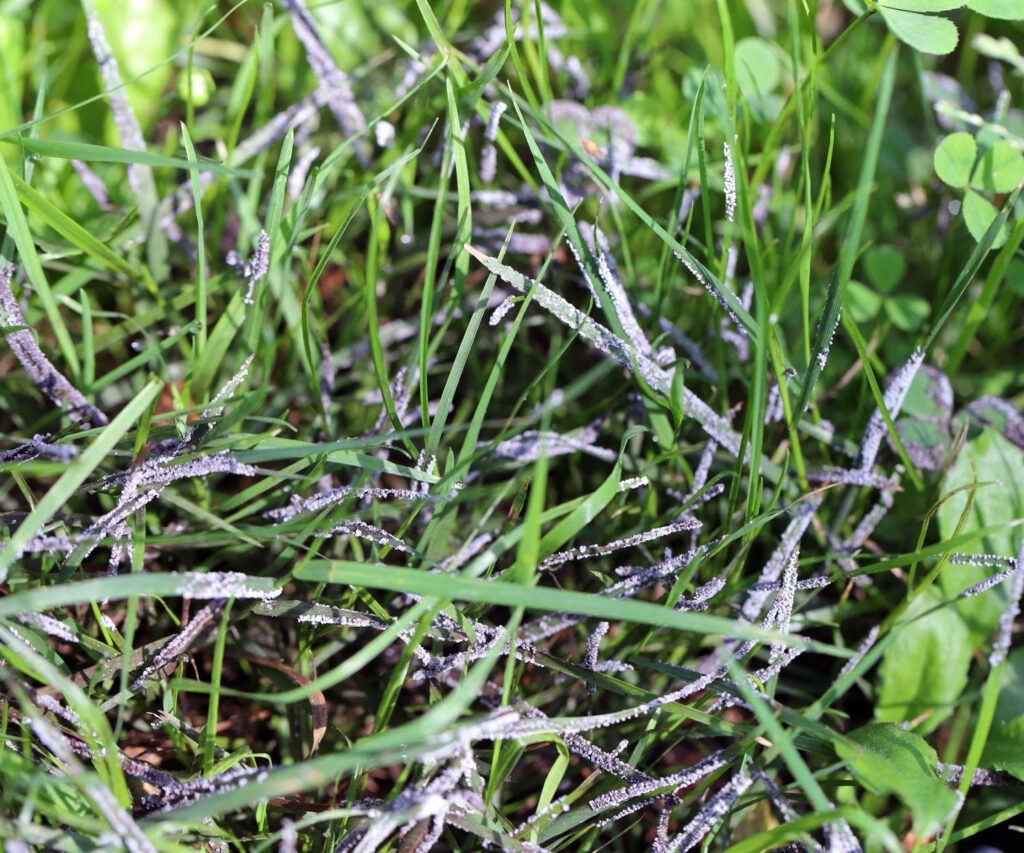
Several people have also mentioned seeing a white powdery coating on grass. Found especially on the north side of houses or under shade trees. That’s powdery mildew, a common lawn fungus this time of year. Avoid watering in the evenings, increase fertilization a bit, and try to improve airflow if possible. Long-term, planting grass varieties that are more resistant to powdery mildew is usually the best solution.