
With the hot, windy weather we’ve been having, now is not the time to reach for the weed killer in the garden. If you’ve got weeds popping up in the garden, flowerbeds, or lawn, your best option right now is good old-fashioned elbow grease: digging, pulling, and hoeing.
When temperatures are high and the wind is blowing, herbicide spray can easily drift onto vegetables, flowers, trees, and shrubs. This will cause damage you didn’t intend. Save herbicide applications for perennial weeds until cooler weather arrives this fall. In the meantime, keep annual weeds from going to seed by cutting, pulling, or hoeing them regularly. You’ll save yourself a lot of work next year.
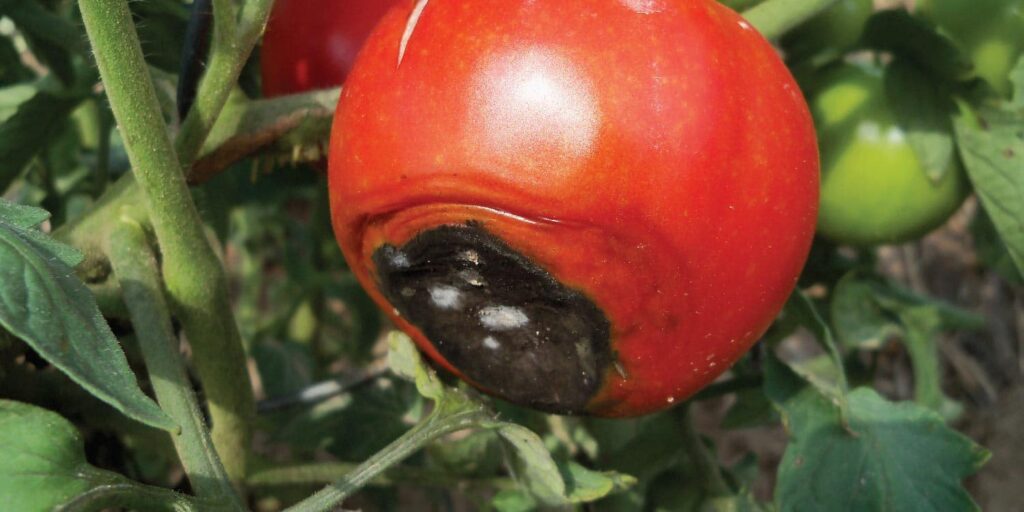
The recent heat also means many gardeners will start seeing blossom-end rot on their tomatoes. It first appears as a brown, leathery spot on the bottom of the fruit where the blossom was attached. While many people assume it’s caused by a lack of calcium in the soil, it is not. The real culprit is usually inconsistent watering during hot weather. When the soil repeatedly dries out and then becomes saturated again, the plant can’t take up calcium efficiently. A layer of mulch and deep, consistent watering can make a big difference in preventing this problem.
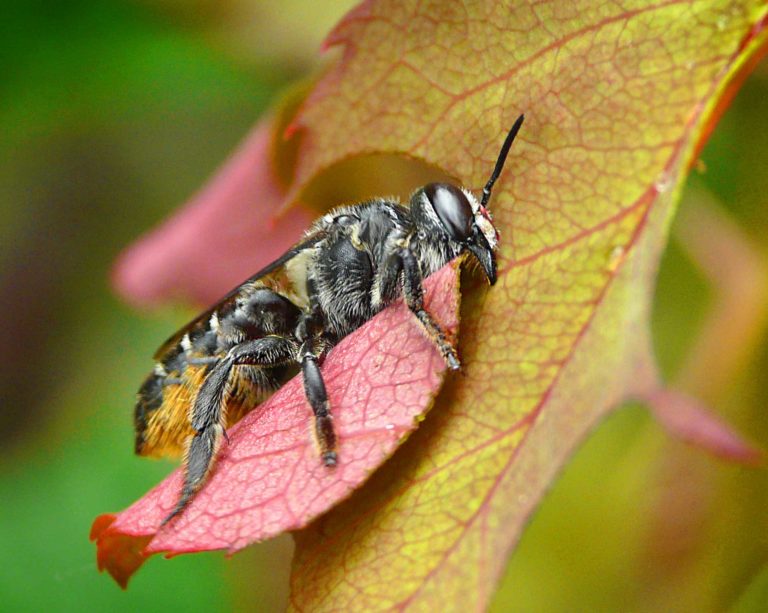
I’ve also noticed quite a few leafcutter bees this summer. These small bees, with black-and-white markings and an orange-colored underside, are fascinating little pollinators. If you’ve found neat circles or half-moon-shaped cuts in the leaves of your roses or other flowering plants, you’ve likely found their handiwork. They’re collecting those leaf pieces to build tiny nesting chambers for their young. Although the damage may look alarming, it’s mostly cosmetic and won’t seriously harm healthy plants. In return, these native bees do an excellent job pollinating many flowers and garden crops.
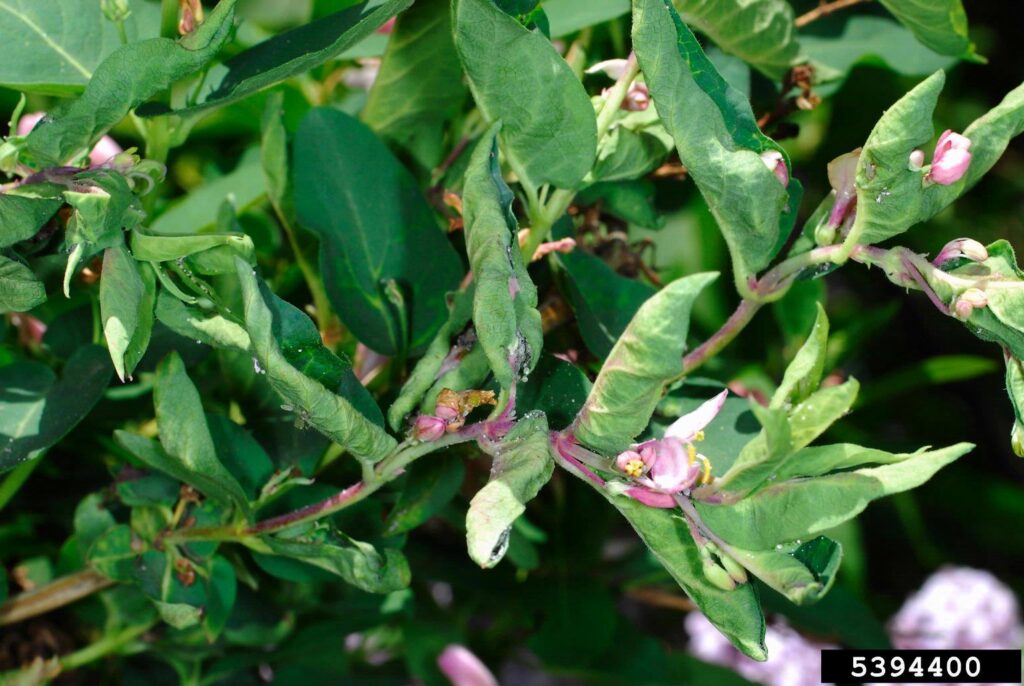
Another question I’ve been hearing involves honeysuckle and cotoneaster shrubs. Some plants have twisted or distorted new growth that looks very much like herbicide damage. In many cases, however, the cause is actually tiny aphids feeding on the tender new shoots. Their feeding causes the leaves and stems to become curled and misshapen. Unfortunately, once you notice the damage, there’s really nothing that can be done to restore that year’s growth. The good news is that aphid populations often vary from year to year, so the problem may not return next season.