
Here are some new ornamental shrubs for 2026 to look for. These are dependable shrubs that tolerate cold winters with minimal fuss. These are great choices.
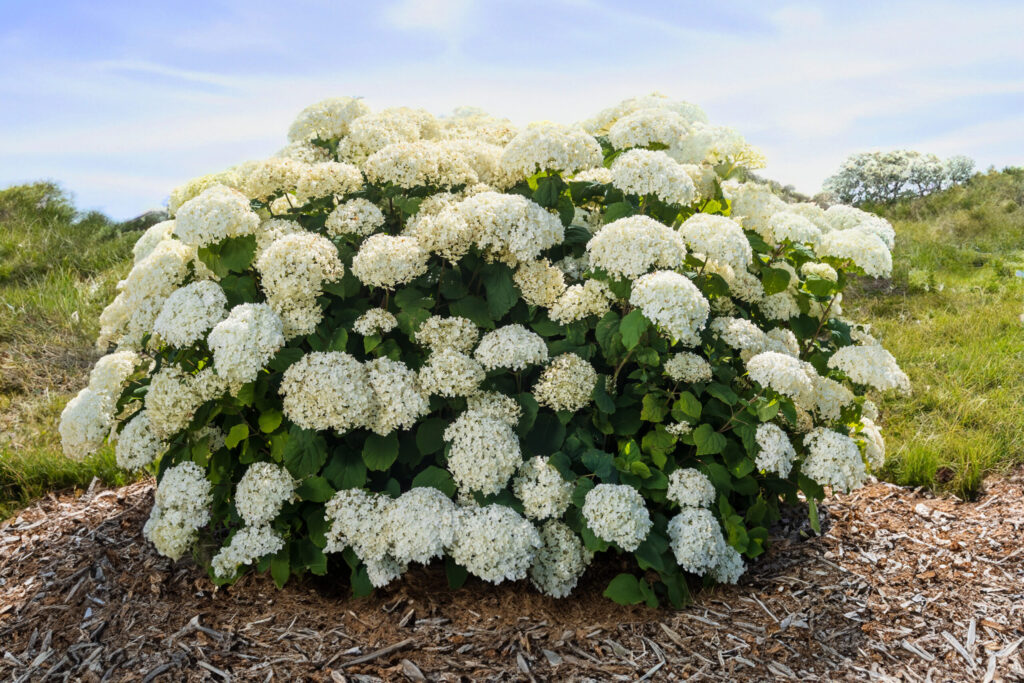
FlowerFull® Smooth Hydrangea stands out for its heavy blooming habit, producing far more flowers than traditional hydrangeas on a compact, sturdy plant. It fits nicely into smaller landscapes and holds up well through the season.
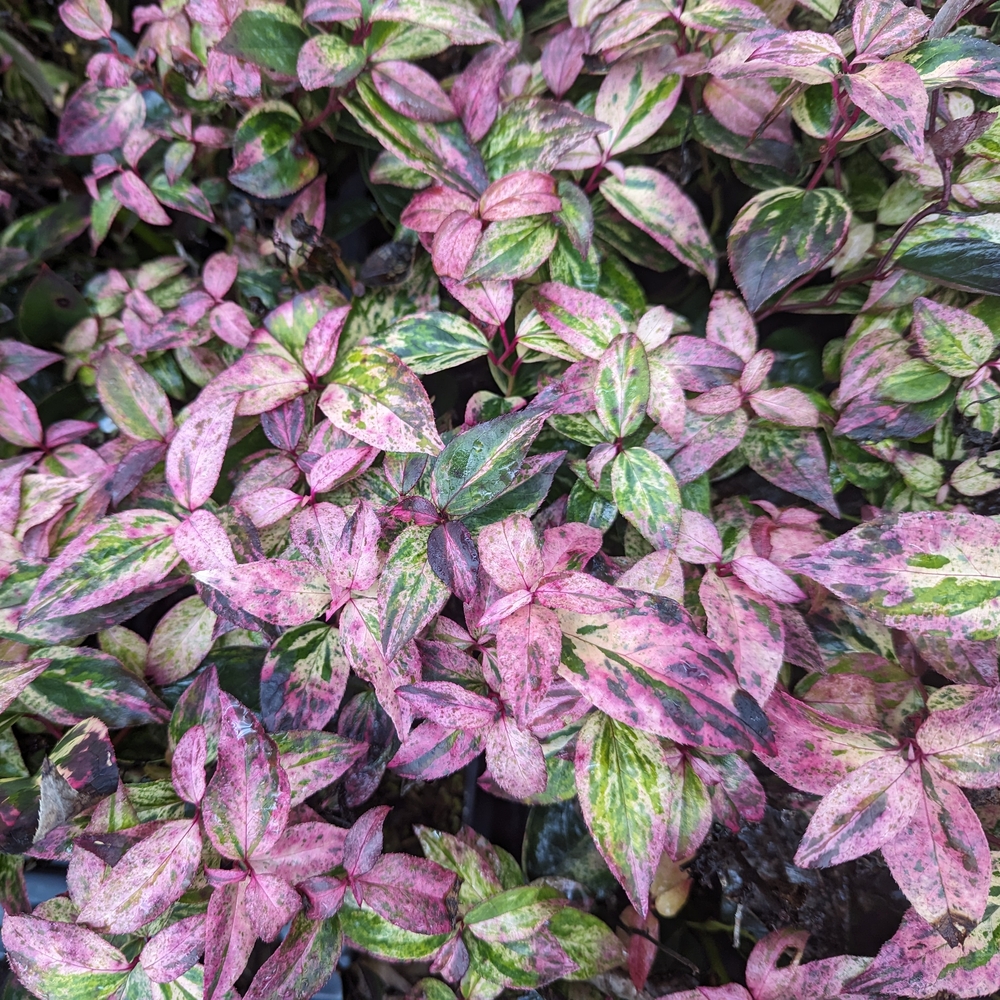
Paisley Pup® Leucothoe brings year-round appeal with evergreen foliage that shifts in color from pink and cream to bronze as the seasons change. It’s especially useful in shade or part shade, working well along foundations, as edging, or even as a low groundcover. For structure and privacy,
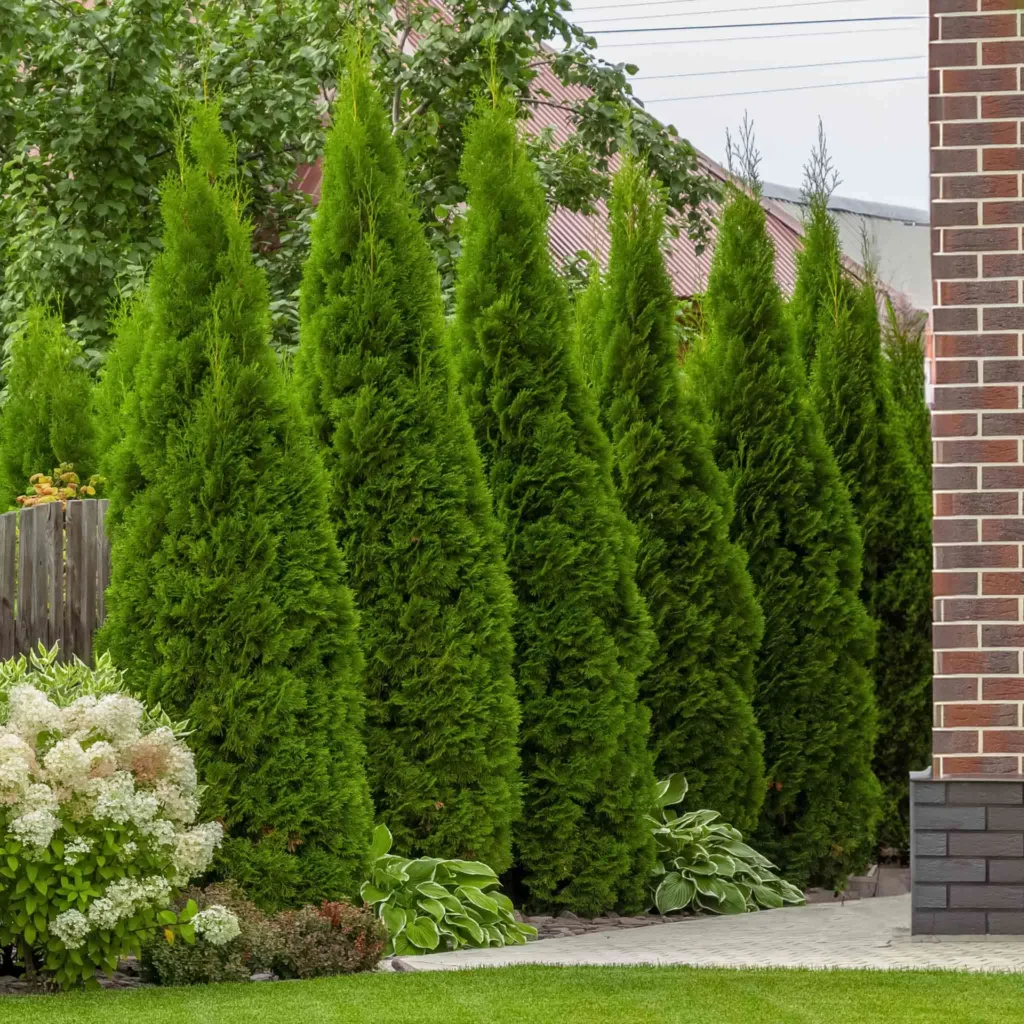
Junior Giant Arborvitae offers the classic evergreen look in a more manageable size, making it ideal for hedges or as a specimen plant, with the added bonus of being deer-resistant.
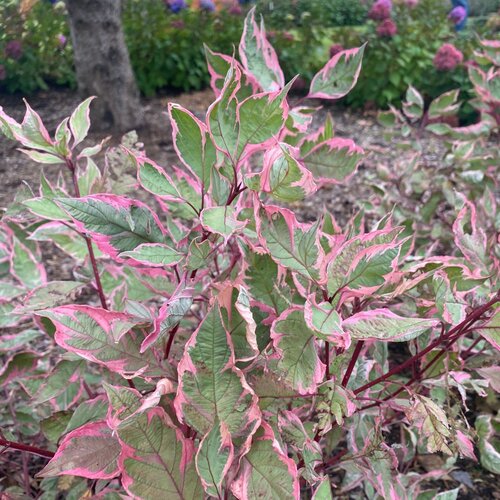
Sgt. Pepper® Redtwig Dogwood provides standout winter interest with colorful stems, then transitions into attractive foliage, flowers, and berries during the growing season.
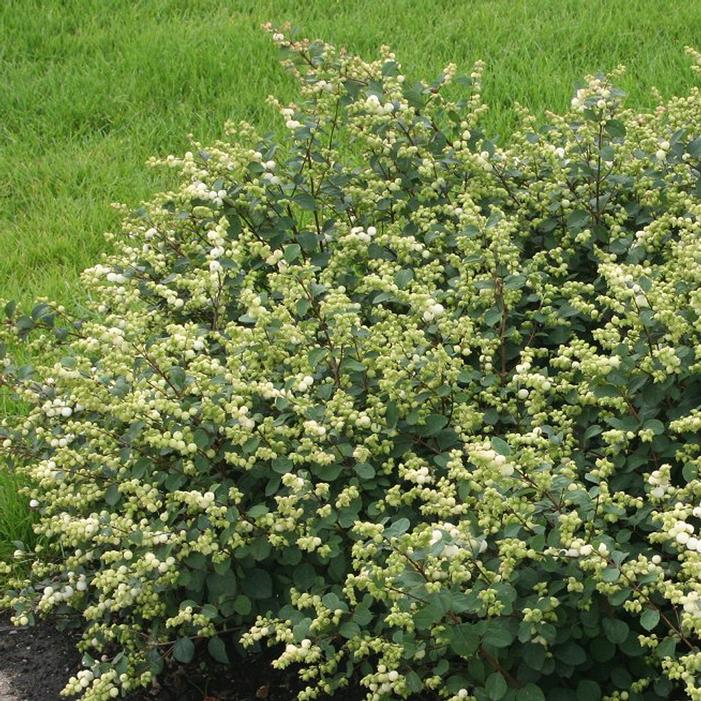
Magical® Avalanche Snowberry is a versatile shrub that works just as well in foundation plantings or hedges as it does in naturalistic gardens, offering structure long after flowering ends thanks to persistent berries and twigs.
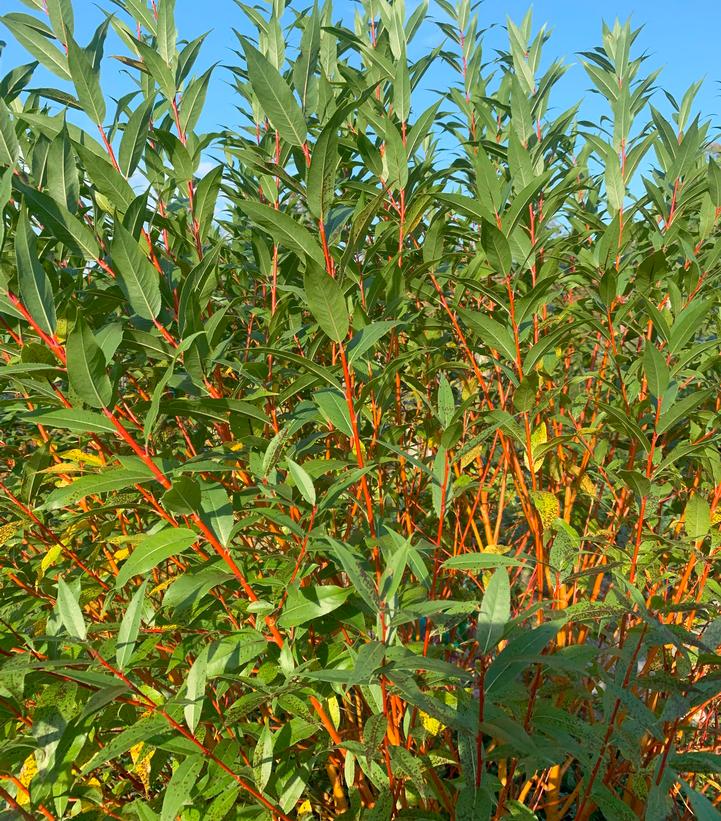
Winter Torch Willow really shines in winter, when its bright, torch-like stems. This shrub adds bold color and contrast to an otherwise quiet landscape.
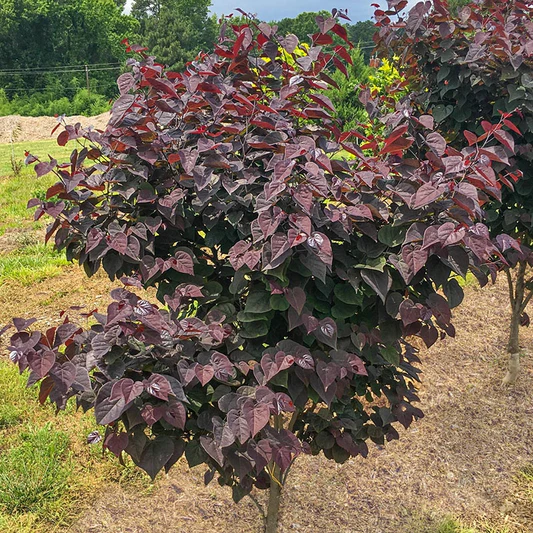
For smaller yards or tighter spaces, compact ornamental trees can make a big impact. Garden Gems® Amethyst Redbud stays relatively small, topping out around 8–10 feet, yet delivers dramatic spring blooms and rich burgundy foliage. Because it’s considered a test plant in colder regions, it’s best placed near a south-facing wall, fence, or sheltered corner to protect it from harsh winds and extreme cold.
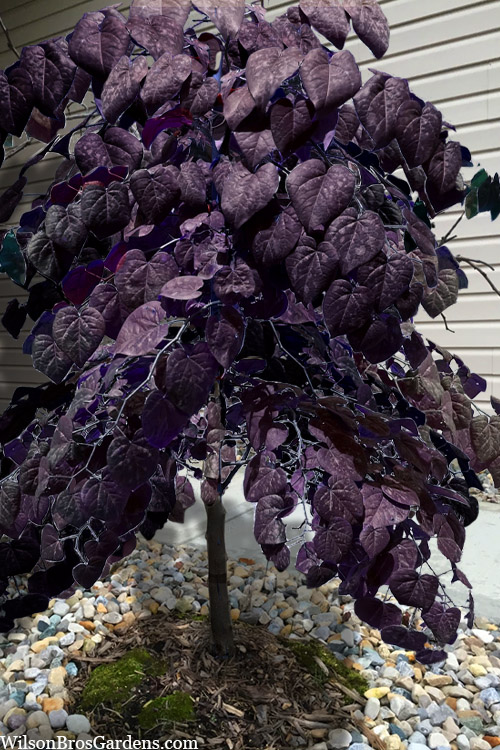
If you want a more reliable option, Cercis canadensis ‘Forest Pansy’ is slightly hardier. You can choose locally proven ornamental trees and shrubs with purple foliage that are rated for Zone 3–4 conditions.
Why This List Works for Cold Climates
These plants were chosen with tough winters in mind, with many rated for Zones 3–5. They offer interest in multiple seasons—flowers, foliage, berries, and winter structure—so your landscape never feels flat. Their compact growth habits make them easier to manage in small yards, and modern breeding has improved stem strength, disease resistance, and overall performance, giving you plants that look good and hold up year after year.