
In South Dakota, you’ll run into a handful of tick species pretty regularly, especially from spring through early fall when things start to green up, and people are spending more time outside. The main ones are well documented by groups like the South Dakota Department of Health and SDSU Extension. Once you know what to look for, it gets a lot easier to recognize what you’re dealing with.
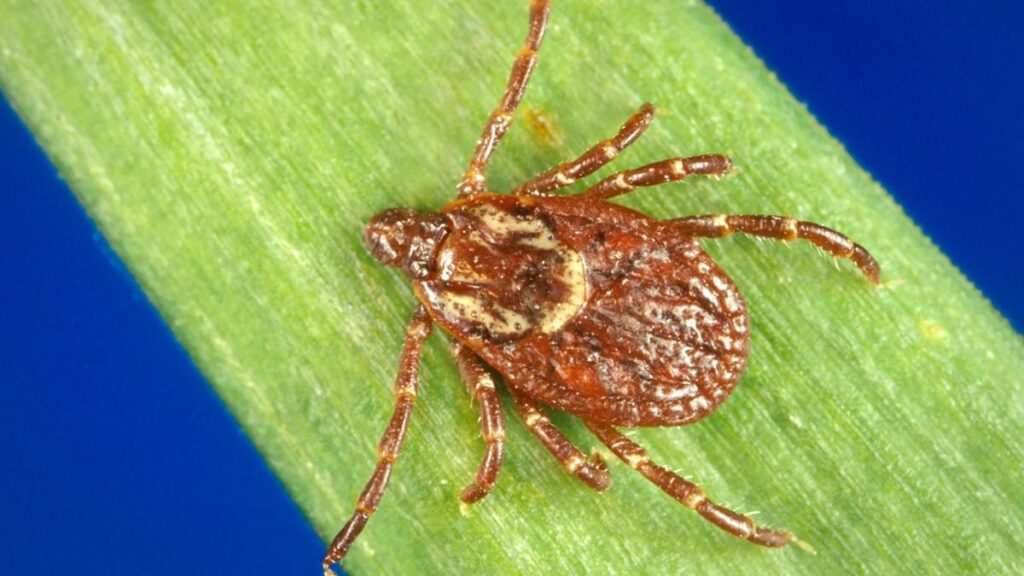
The one most folks are familiar with is the American dog tick, often called a wood tick. This is the most common tick you’ll find statewide. They hang out in grassy fields, along trails, and even right off the side of the road. They’re a bit larger than some of the others and have that reddish-brown color with lighter markings. These are the ticks people are usually pulling off themselves, kids, or dogs after being outside. They can carry diseases like Rocky Mountain spotted fever and tularemia, so they’re not something to ignore.
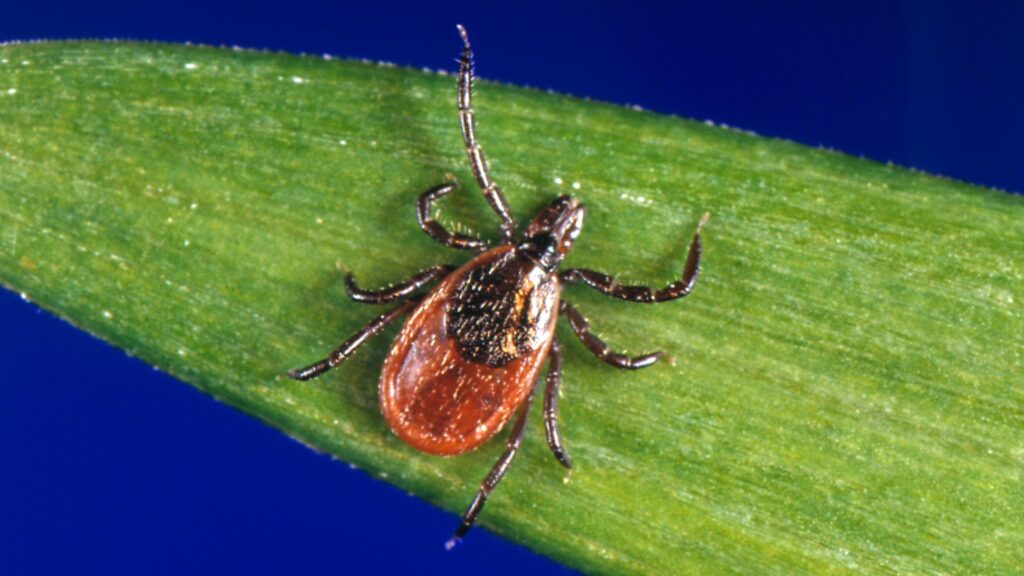
Then you’ve got the blacklegged tick, also known as the deer tick. These are found mostly in eastern South Dakota, especially in wooded or brushy areas. They’re much smaller, sometimes no bigger than a poppy seed when young, which makes them easy to miss. Even though they’re tiny, they get a lot of attention because they can transmit Lyme disease. If there’s one tick people tend to worry about the most, it’s this one. Mainly because it can go unnoticed for longer.
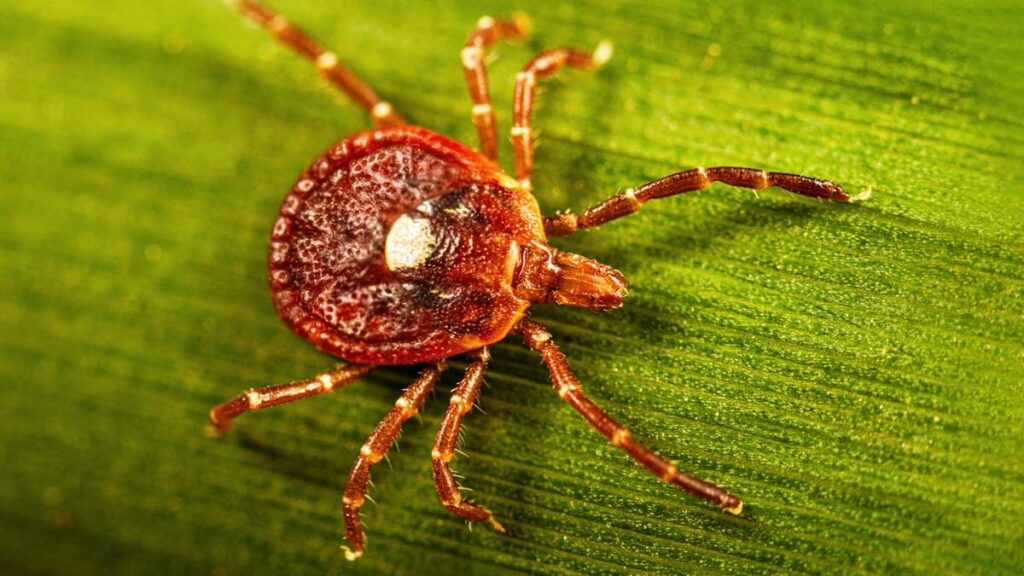
Another one showing up more often is the lone star tick. Its range has been expanding, and it’s becoming more common in parts of the state. You’ll usually find them in brushy areas or along the edges of woods in the western parts of the state. The females are easy to identify thanks to that single white dot on their back—the “lone star.” These ticks are a bit more aggressive than others and will actively seek out a host instead of just waiting around. They’re known to spread ehrlichiosis and have been linked to alpha-gal syndrome, which can cause a red meat allergy.
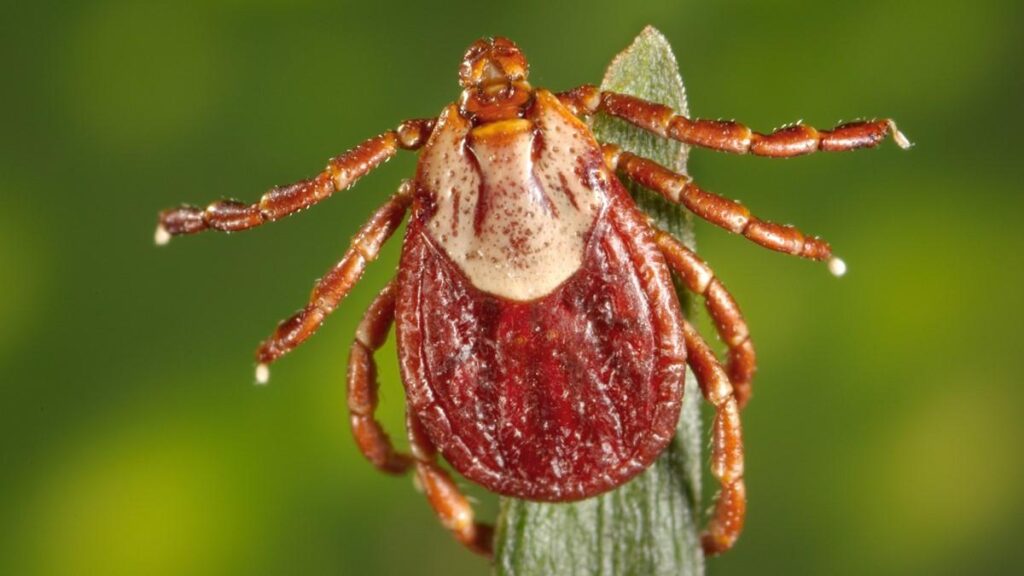
Out west, you’re more likely to run into the Rocky Mountain wood tick. They look pretty similar to the American dog tick, but they’re more tied to grasslands and shrub areas in western South Dakota. Like the others, they can carry diseases like Colorado tick fever and certain spotted fevers, being the main ones. If you’re spending time in those western parts of the state, especially in open range or prairie country, these are the ones to keep in mind.
When you’re heading out into tall grass, pastures, or wooded areas, a little planning. What you wear can go a long way in keeping ticks off you. Start with the basics, long-sleeved shirts, long pants, and a good pair of high boots. It might not be the coolest outfit on a warm South Dakota day, but covering up exposed skin makes it much harder for ticks to latch on in the first place. Choosing light-colored clothing is another simple trick that really helps, since ticks are much easier to spot before they can attach.
It’s also worth taking things a step further by treating your clothing and gear with permethrin (0.5%). This treatment sticks around for several washes and adds an extra layer of protection. If you’d rather not treat items yourself, you can find pre-treated clothing that’s ready to go. For any exposed skin, use an EPA-registered insect repellent. Products containing DEET, picaridin, IR3535, oil of lemon eucalyptus (OLE), or 2-undecanone are all solid options—just be sure to follow the directions on the label so you’re getting the protection you expect.
Don’t forget about your dogs, especially if they’re running through pasture, shelterbelts, or along creek bottoms. Ticks love to hitch a ride on them and can easily end up in your home. Using a veterinarian-recommended tick preventive, whether that’s a collar, topical treatment, or oral medication, can make a big difference. It’s also a good habit to check your dogs over after they’ve been outside, paying close attention to areas like around the ears, under the collar, between the toes, and along the belly.
Around your home, a little yard maintenance can go a long way in reducing tick habitat. Keep grass mowed, trim back weeds and brush, and clean up leaf litter where ticks like to hide. If you have a yard that borders pasture or trees, consider creating a barrier with gravel or wood chips to limit tick movement into your lawn. Keeping play areas and frequently used spaces open and sunny can also help, since ticks prefer cool, shaded, and moist environments.
2 comments for “A Handful of Tick Species”