This Week in the Garden (June 11)

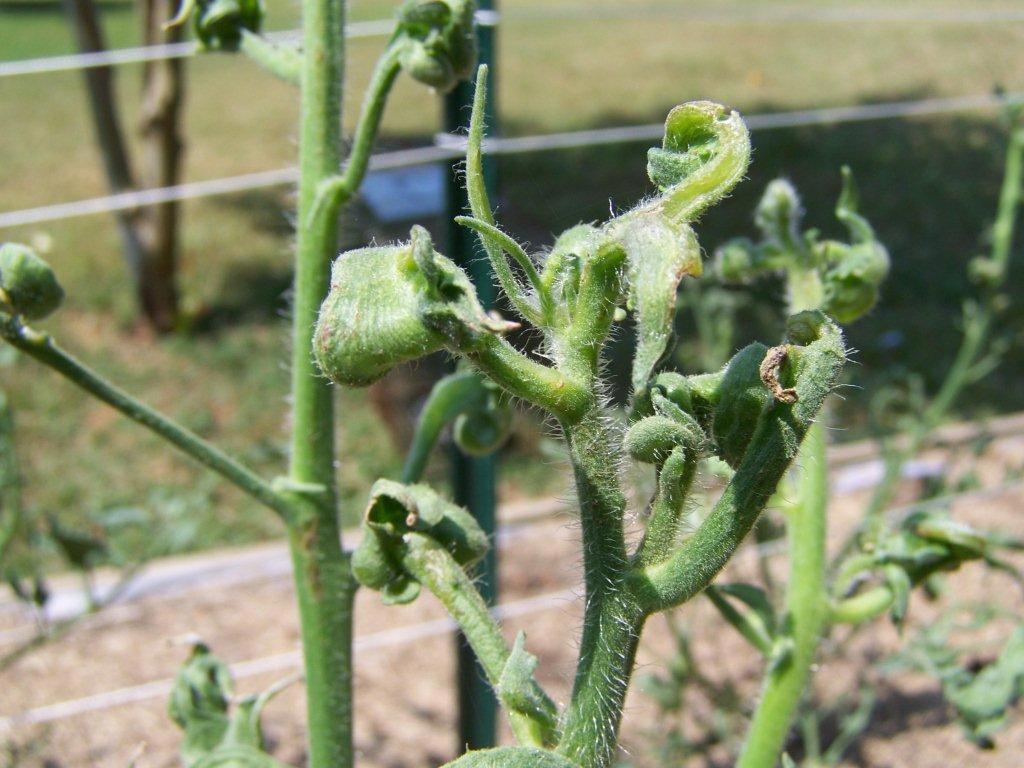
It’s that time of year when herbicide damage starts to show up—something that’s, unfortunately, pretty predictable. If you’re noticing cupped or distorted leaves, especially on tomatoes or peppers, there’s a good chance it’s from herbicide drift. The good news? If your garden got hit, it’s not too late to replant!
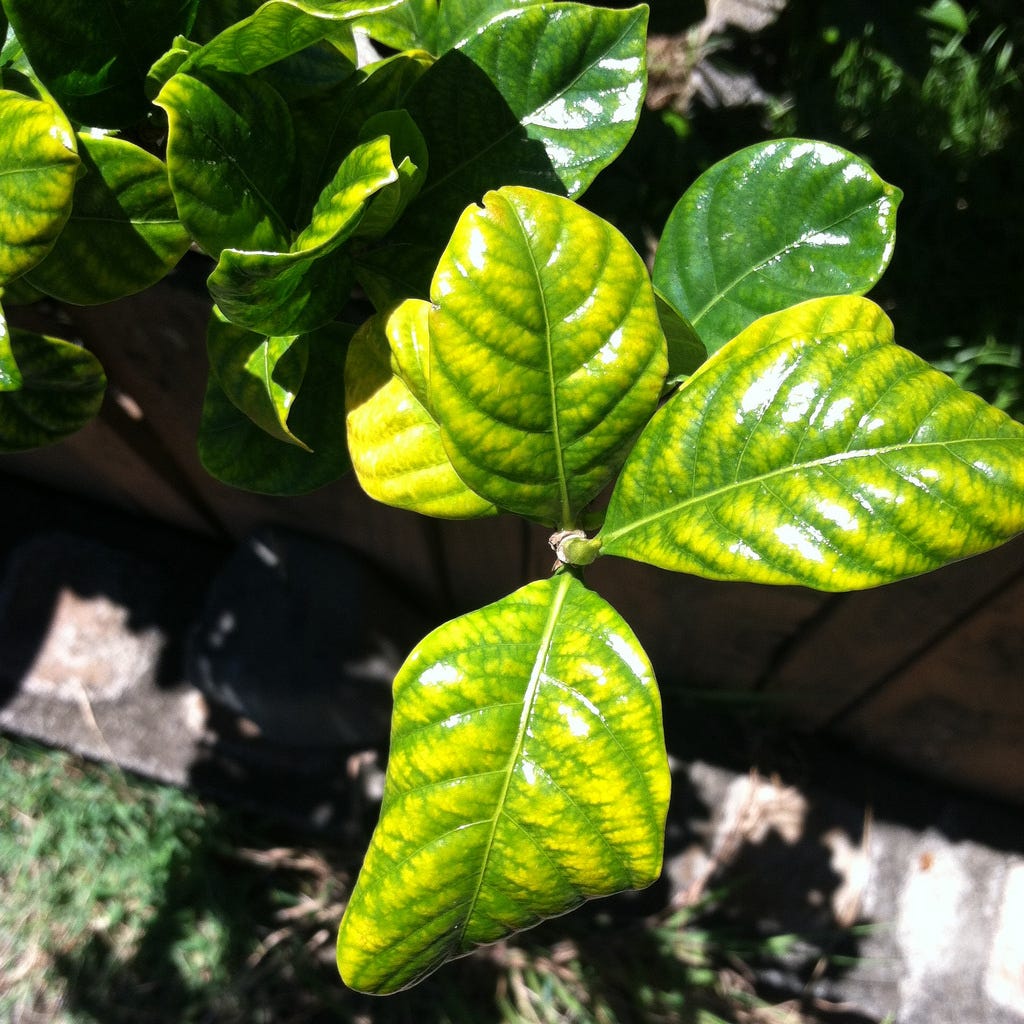
As we move closer to summer, you may also see signs of iron chlorosis—those yellowing leaves with dark green veins—on plants like viburnums and maples. It’s not that the soil lacks iron or manganese, but our high pH clay soils make it hard for plants to absorb them. I’ve had good luck using a water-soluble iron spray. You can also help by mulching with compost, pine bark, or peat to improve soil conditions over time.

Peonies not blooming this year? Or blooming less than they used to? A couple of common reasons: they may be planted too deep (those eyes should be no more than 2 inches below the surface), or they might be getting shaded by trees that have grown over the years. If that’s the case, wait until September and consider moving them to a sunnier spot.
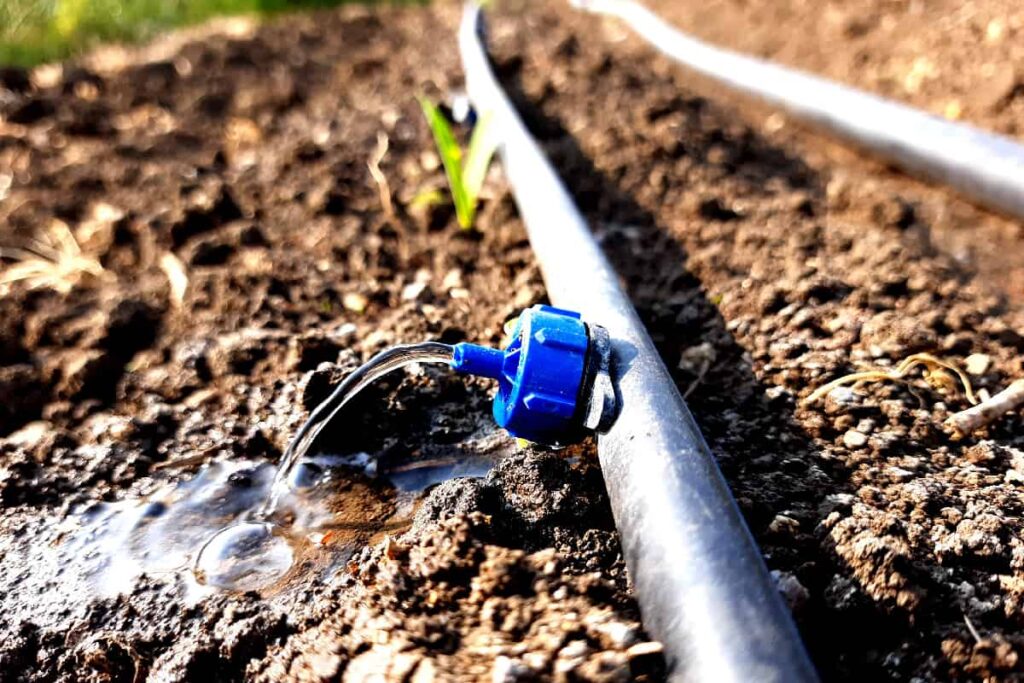
To help prevent bacterial and fungal issues, think about switching to drip irrigation. It keeps the leaves and stems dry, uses less water, and is super helpful if you plan to be away for a few days. Plus, it’s easy to set up.
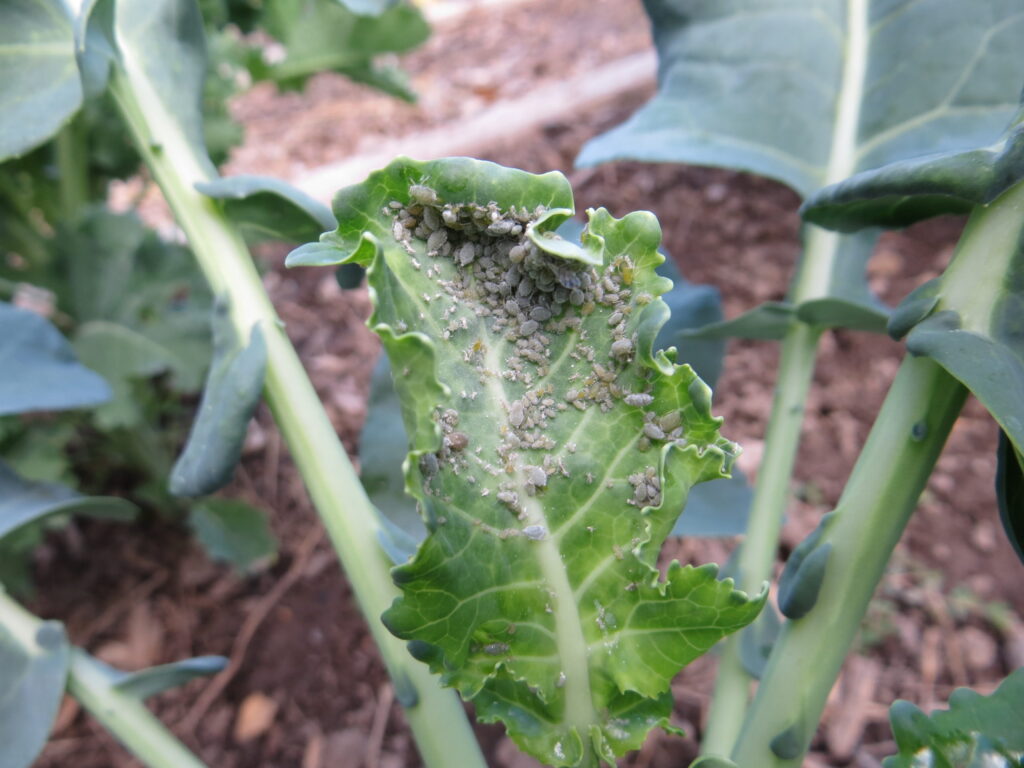
Cabbage aphids on cauliflower

One more thing—it’s shaping up to be a big year for aphids. They’re tiny but persistent. Keep an eye on your plants and give them a good spray with the hose if you see any. If they’re really bad, insecticidal soap, neem oil, or Malathion can help—just don’t forget to spray the undersides of the leaves where they like to hide.

Happy gardening! 🌱 Let’s keep those plants healthy and blooming.

This Week in the Garden (May 20th)

This week in the garden, there is a hard lesson to learn when buying transplants: to remove the flowers or any fruit from the plant. This puts energy into the root and leaf growth for a stronger plant down the road. Also, depending on the plant, pinch it back to encourage a healthier plant.

Pennycress

The weed of the week is pennycress or skunkweed. I left one growing on the south side of my house. I counted 8 seeds in one pod, and 50 pods made around 400 seeds. This weed is called a winter annual, meaning it starts growing in the fall and then finishes with flowers and seeds the following spring. Being an annual, it is easy to pull out; just do not let it go to seed.

In planting new apple trees, look for trees that are resistant to scab, rust, and powdery mildew or a combination of these diseases. It will state this on the label. Remember to plant two varieties for a good apple crop.

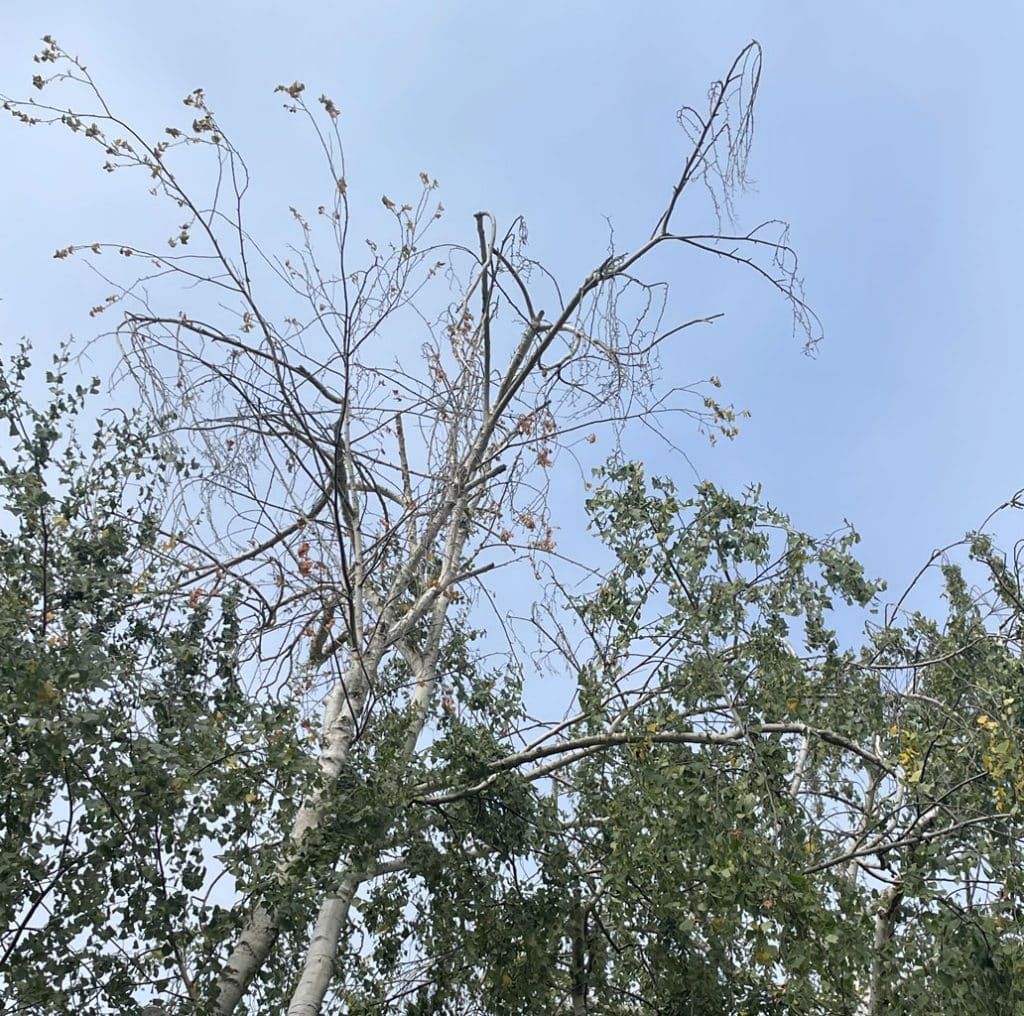
Dead top in birches

There are some dead tops in maples and birches this year, caused by drought, winter kill. If you can remove them safely, do it.

I had a question about a male Silver Maple having seeds. On checking this, sometimes Silver Maples will change sex depending on environmental factors. Plants are amazing.

This Week in the Garden (May 12)

Winter injury on a yew.

This week in the garden, you may have heard the term “drought cold tolerance” floating around in garden circles lately? It’s basically about how winter damage can be worse when we don’t get enough snow to insulate plants and provide moisture in the soil. This is especially a problem for evergreens. Right now, you might be noticing browning on the branches, particularly on the south and west sides. Unfortunately, there’s not much to do but wait and hope they fill back in. Younger evergreens tend to bounce back better than older ones, so fingers crossed!

Adult lilac borer

Speaking of timing, once the lilacs finish blooming, it’s a good time to cut out any dead canes or branches. This is especially important because it helps manage lilac borers. These pests start off as tiny, wasp-like insects that lay eggs on the canes. Once those eggs hatch, the larvae burrow in and can kill off the canes.

If you’re gearing up to plant those greenhouse veggies and flowers, remember to harden them off first. Don’t just plop them straight into the garden with the current wind and heat. Start by putting them on the east side of your house, where they’ll get gentler light. Gradually move them to sunnier, windier spots over the course of a week. This is especially crucial for more tender vining crops. Luckily, the forecast says things should cool down by the weekend.

Got problems with crabgrass or sandburs in the lawn? Now’s the time to apply pre-emergent herbicide. Look for one that includes fertilizer to give your grass a little extra boost.

Fasciated asparagus spears

Oh, and if you’re seeing some weird, thick, flat asparagus spears, don’t worry. That’s called fasciation, and it can happen with flowers too. It’s usually just a weather-related oddity and won’t harm the plant.

Blooming rhubarb

Lastly, keep an eye on your rhubarb. If it’s starting to bolt and send up flower stalks, go ahead and snip those off. You want the plant to put its energy into the stems and leaves, not into flowering.