
This Week in the Garden (July 10)🌱 There are a lot of little grasshoppers hopping around in the grassy areas right now, and keeping them out of the garden is a real challenge. The best defense? Mow a 6-foot-wide strip around the garden as low as possible. This helps break up their habitat and discourages them from moving in. There are some baits you can use, but be cautious if you have pets nearby. In the garden itself, neem oil is a great option; it’s natural and effective.
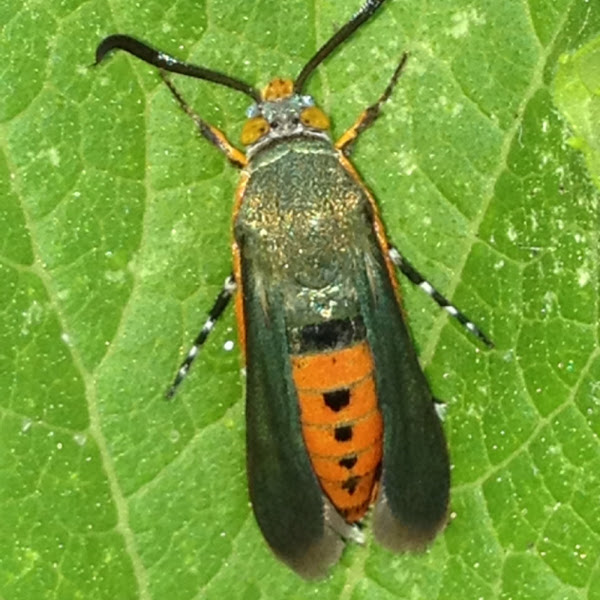
Now, as much as grasshoppers can be a pain, I think there’s an even worse pest: the squash vine borer moth. It looks like an orange wasp (but it’s actually a moth) and lays its eggs right at the soil line where the stems meet the ground. Once those eggs hatch, the larvae bore into the plant stems, causing the plant to wilt and die seemingly overnight. Not fun.
To fight back, spray the lower stems with Sevin, Permethrin, or Spinosad. Do this before the moths start laying eggs. Another helpful tip? Rotate your squash and vine crops to a new spot each year to disrupt their cycle. If you catch the wilting early, you might be able to slit the stem carefully and remove the borer, but it’s a bit of a gamble.
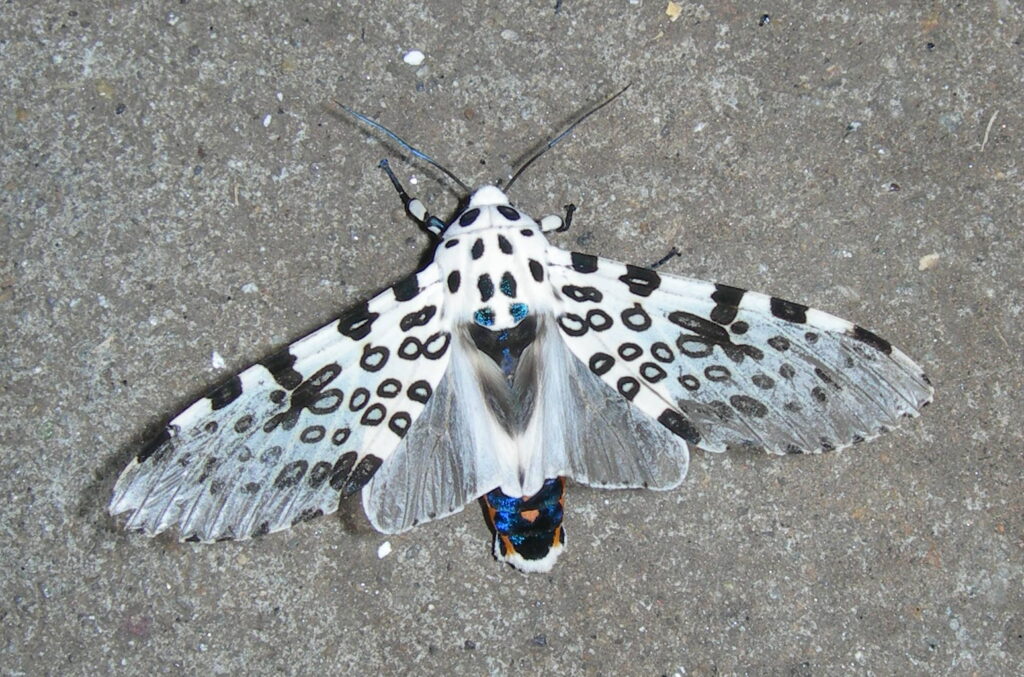
Over in the flowerbed, I’m seeing quite a few leopard moths lately. These come from the woolly bear caterpillars you probably spotted last fall. Interesting little life cycle there!
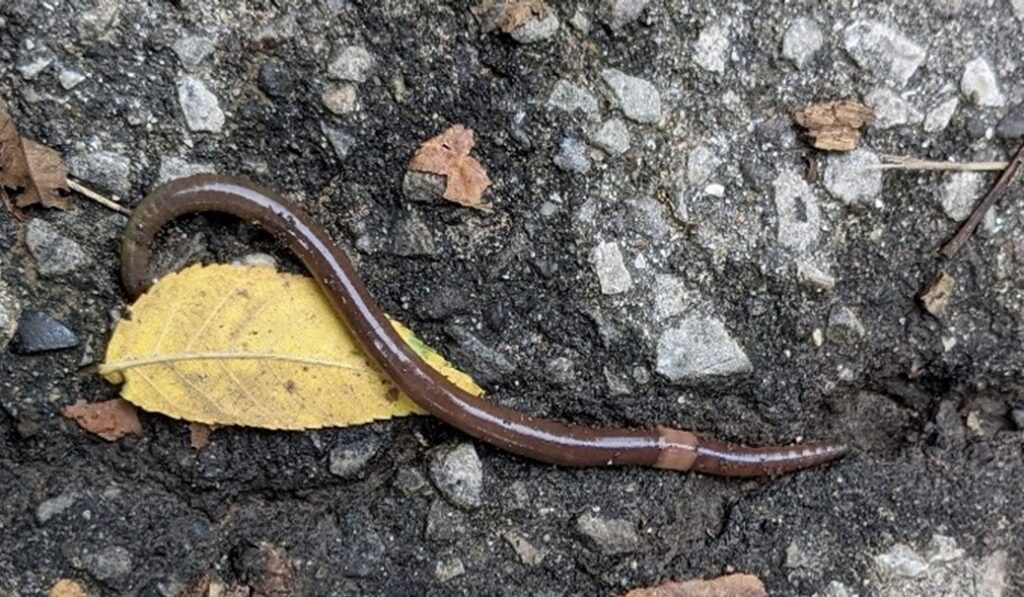
A new intruder we’re starting to see creeping in from Nebraska is the jumping worm. These look like regular earthworms but are darker and have a white band, not the usual tan. When you disturb them, they thrash around wildly—kind of startling! The big concern is that they outcompete earthworms and strip nutrients from the soil really quickly. Not a big problem yet, but definitely something to watch.
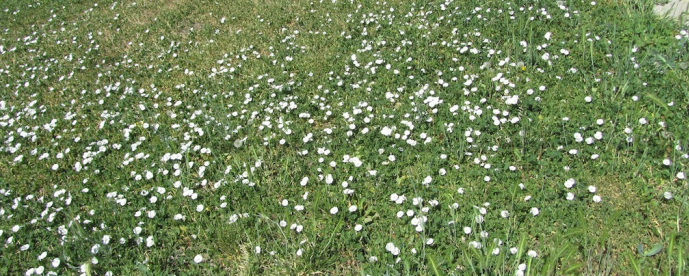
On the lawn front, many yards are showing off those white to purple flowers—unfortunately, it’s field bindweed. This tough, noxious weed has roots that can reach 20+ feet and seeds that stay viable for decades. Your best bet is to hit it hard in the fall (September to October) with a 3-way herbicide like Trimec or Weed-B-Gon Max. It will take repeated applications over multiple seasons to get it under control.
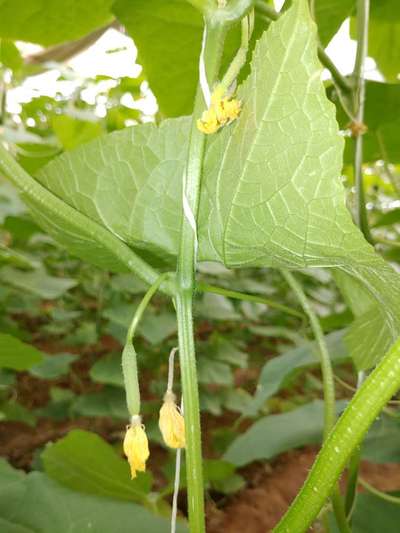
And if your vine crops have little fruits turning yellow and shriveling up, don’t panic—it’s often just poor early pollination. That usually clears up as the plant matures and more male blossoms appear to provide plenty of pollen.