
🌿 This Week in the Garden (July 22): Bugs, Blight & a New Trend
🐞 A few bugs are making their presence known this week!
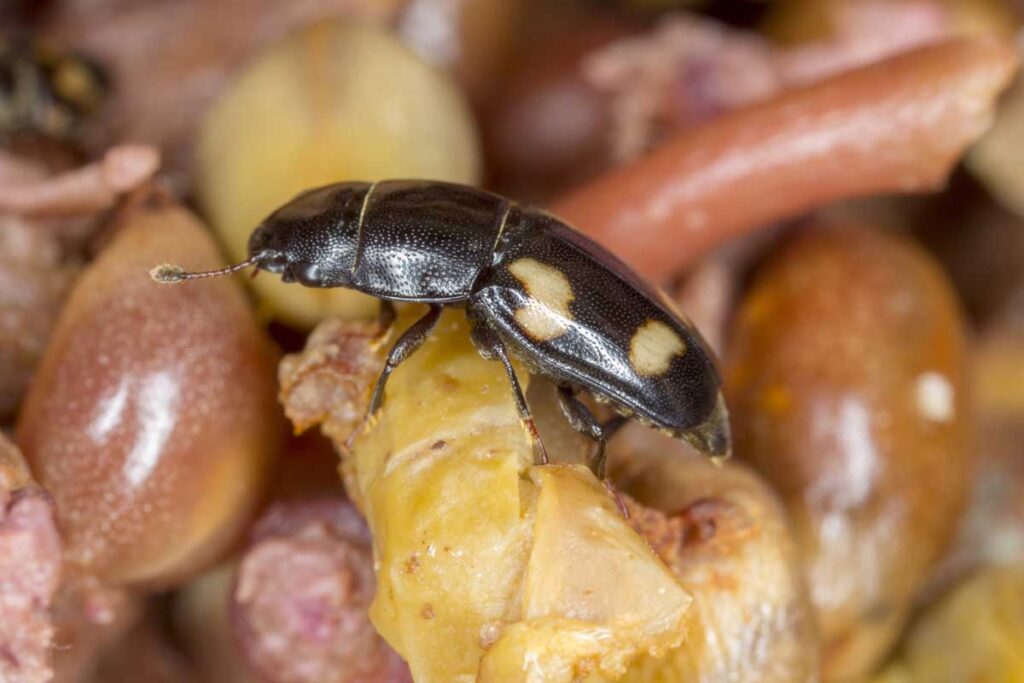
First up is the picnic beetle—a tiny black beetle that loves overripe fruit. Think melons, strawberries, raspberries—basically anything sweet and soft. The best way to keep them at bay? Don’t let overripe fruit sit out in the garden. Clean-up is key.
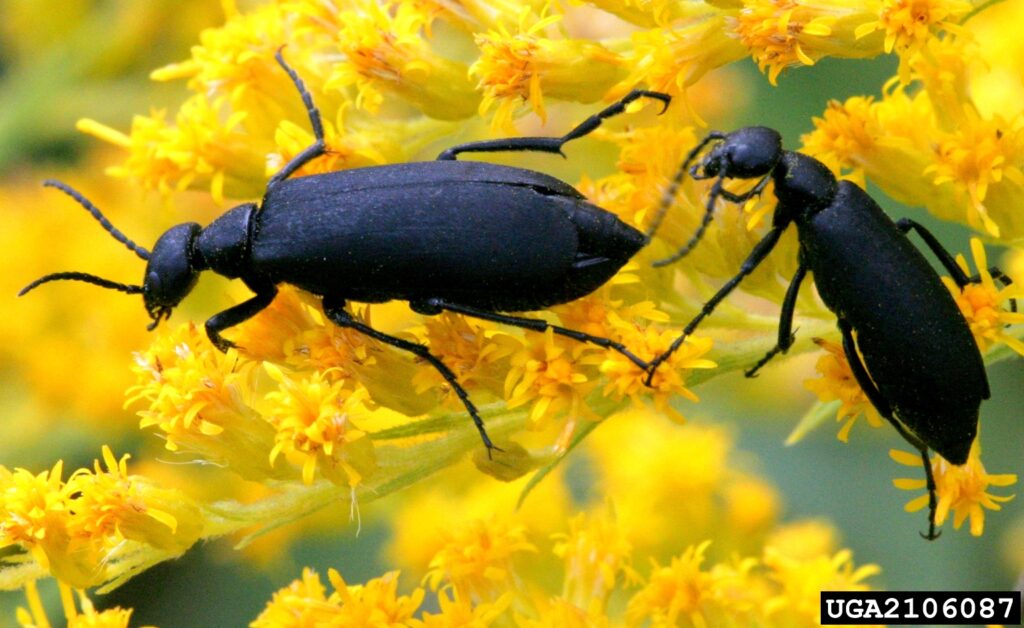
Then there’s the blister beetle, especially in rural areas near cut alfalfa or hay fields. These guys are a bit of a mixed bag. The larvae are helpful because they eat grasshopper eggs, but the adults can snack on garden plants and flowers. The catch? If you brush against them, they release a chemical that can cause skin irritation or even blisters. So, if you plan to remove them, wear gloves—or just let them be.
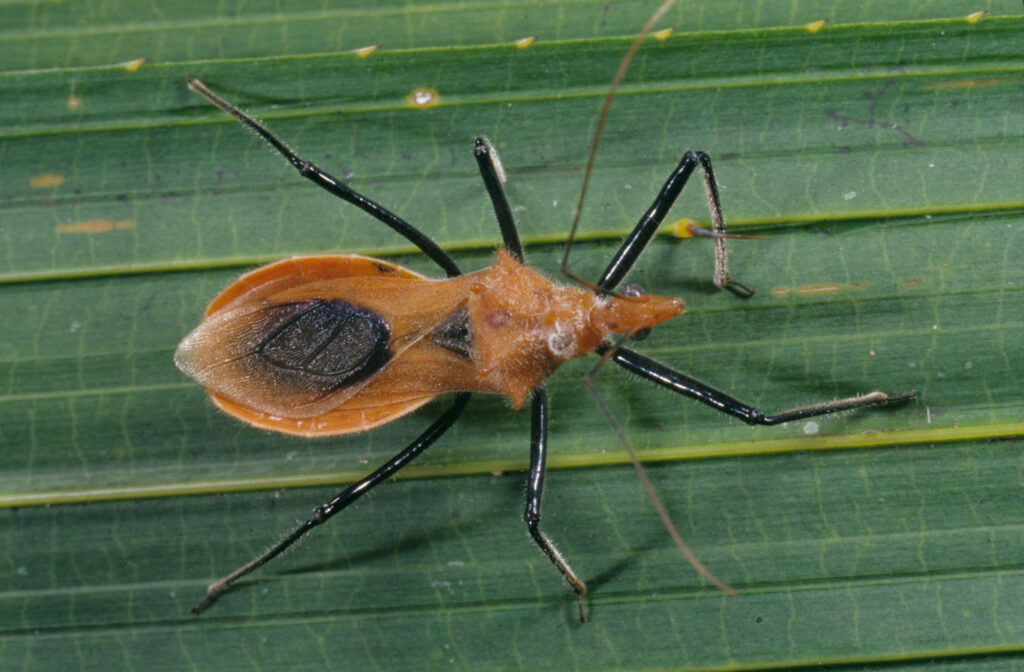
Another critter to steer clear of is the assassin bug. It’s not aggressive but does pack a punch if handled. They feed on caterpillars and other pests, so they’re helpful in the garden. Just don’t grab one—they use their sharp mouthparts to “stab” if threatened!
🌱 Garden Diseases to Watch For
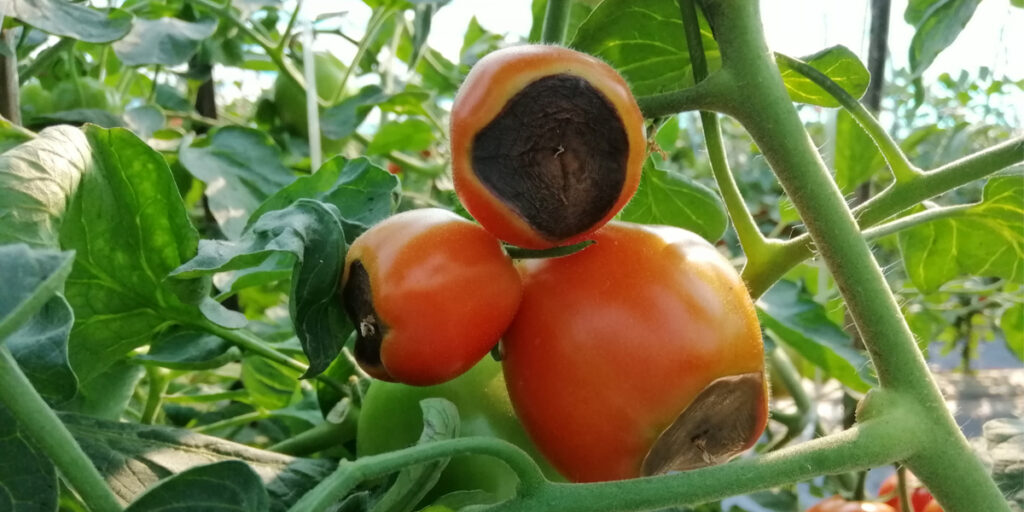
One common issue right now is blossom end rot, mostly affecting tomatoes. It shows up as leathery brown or black spots on the bottom of the fruit and can also affect squash, peppers, and eggplants. This happens when hot weather and inconsistent watering mess with calcium uptake in the soil. To help prevent it, mulch your plants and water when the soil feels dry. Some tomato varieties, like Early Girl, are more prone to this, but the good news is that it usually clears up as the season goes on.
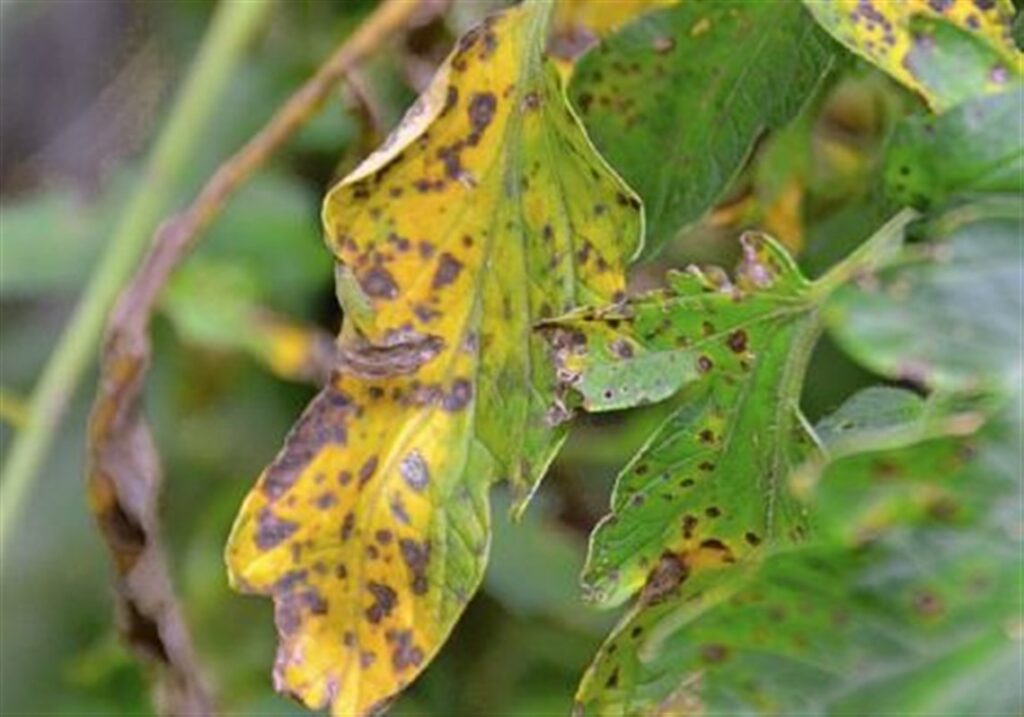
Early blight is also popping up—another problem for tomatoes. It starts with yellowing on the lower leaves and turns into brown spots as it spreads. Eventually, the leaves shrivel and die. Treat it with garden fungicide (spray is better than dust for good coverage) and be sure to follow label directions.
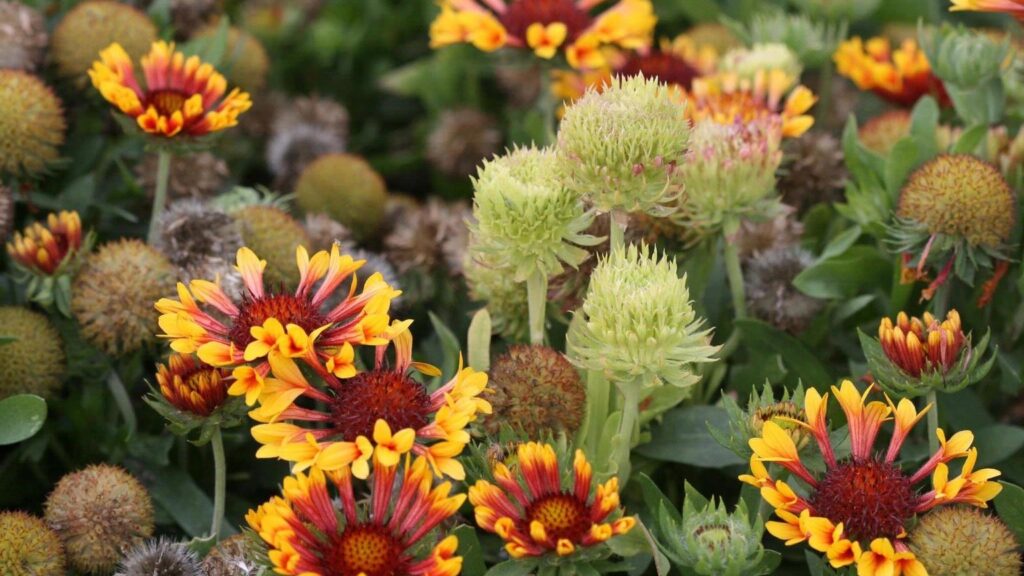
Aster yellows is a tricky virus that affects flowers like coneflowers, asters, and even roses. You’ll see curling leaves and poor blooms. Unfortunately, once a plant is infected, the best move is to remove it so the disease doesn’t spread. It’s mostly carried by leafhoppers, infected tools, or reused soil in containers.
🌸 New Garden Trend: Stumpery!
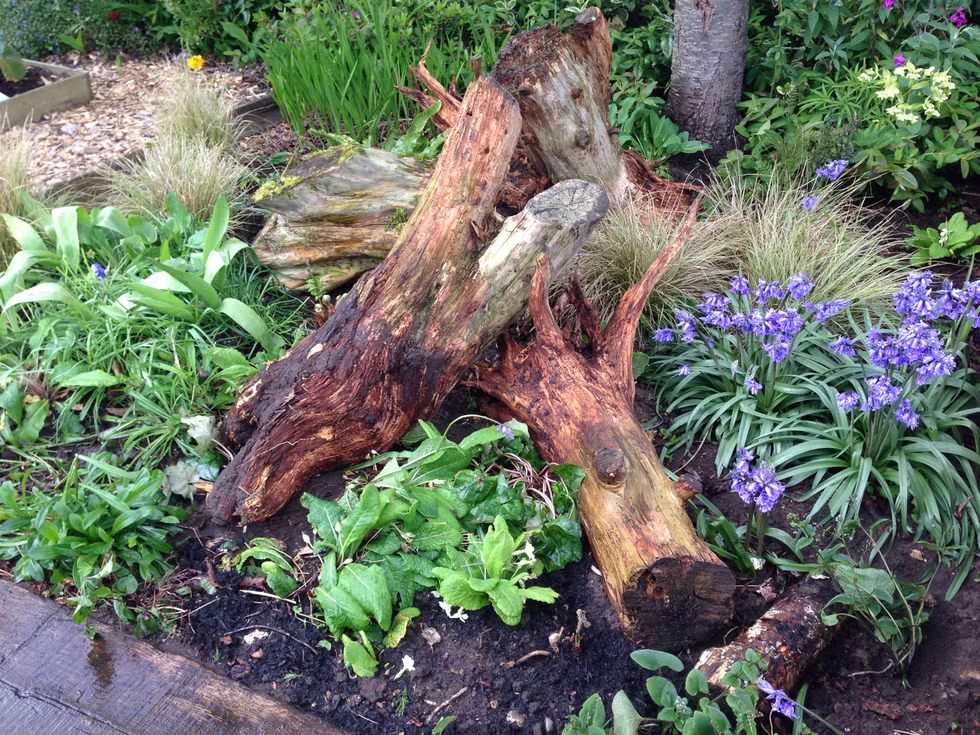
Want to add some whimsy to your flowerbed? Try a stumpery—an old European trend that’s gaining popularity here. It’s as simple as placing decorative old stumps in your garden. If you have a hollowed-out one, you can even plant flowers inside. Rustic and beautiful!