
One disease making an appearance this week in the garden (July 9, 2026) is fire blight, especially on apple, pear, and crabapple trees. Fire blight is a bacterial disease that causes young shoots and leaves to suddenly wilt. Then turn dark brown or black, giving the tree a scorched appearance. One of the easiest ways to identify it is by the distinctive “shepherd’s crook” shape at the end of infected branches. This is where the new growth bends over like the curved top of a shepherd’s staff.
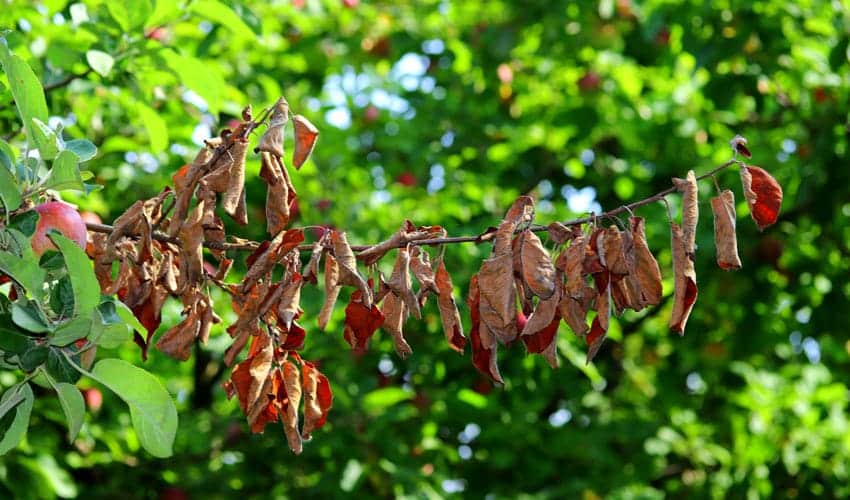
If you notice fire blight, act quickly. Prune the infected branches 10 to 12 inches below the last visible symptoms, making your cuts into healthy wood. It’s best to prune during dry weather to reduce the chance of spreading the bacteria. Be sure to disinfect your pruning shears between cuts with rubbing alcohol or another disinfectant. Don’t compost infected branches—bag them or burn them where local regulations allow. Catching fire blight early can keep it from spreading through the entire tree.
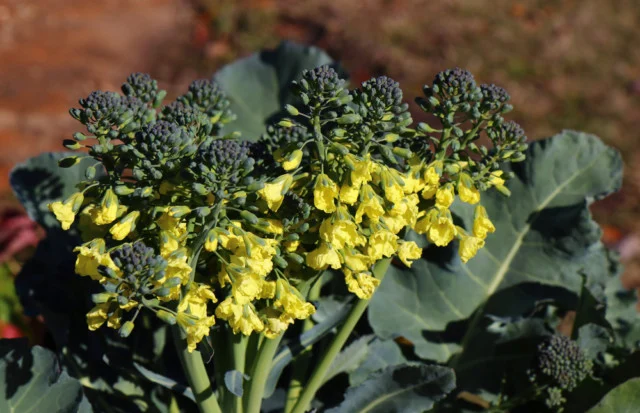
With the hot weather settling in, another issue you’ll likely see is bolting in cool-season vegetables. Broccoli and cauliflower are especially sensitive to heat. Instead of producing large, dense heads, the plants rush to flower. This results in small heads only a few inches across before they begin to open. Once a plant bolts, there’s no way to reverse it.
You can help delay bolting by applying a layer of mulch around your vegetables to keep the soil cooler and by watering consistently. Plants that experience cycles of drying out and then being heavily watered are much more likely to bolt.
If you’ve struggled to grow broccoli during our hot summers, consider trying broccolini, also known as sprouting broccoli. Instead of producing one large head, it develops many smaller, tender shoots over several weeks. As you harvest each stem, the plant continues producing more, giving you a much longer harvest season and better performance during warm weather.
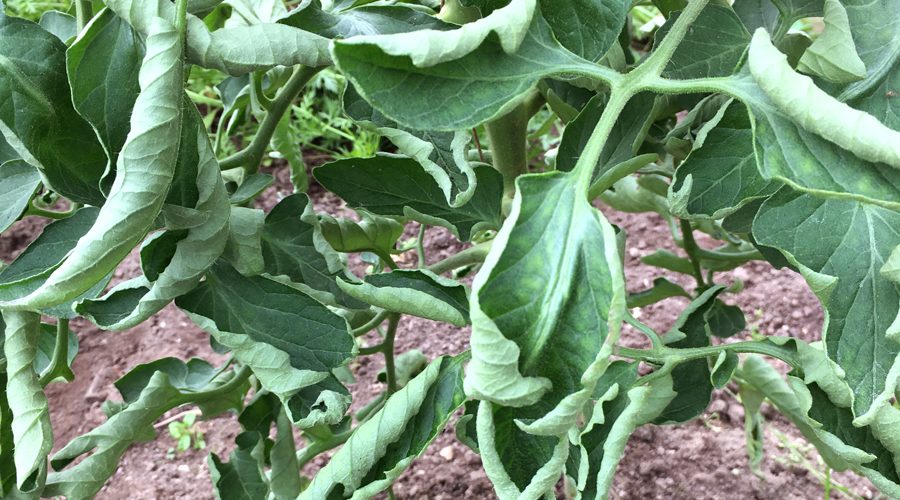
Your tomato plants may also start showing physiological leaf roll. The lower leaves curl upward or inward, which often worries gardeners. In most cases, it isn’t caused by a disease. It’s simply the plant’s natural response to heat and moisture stress. By rolling the leaves, the tomato reduces the amount of water it loses through evaporation.
The good news is that leaf roll rarely affects fruit production. The plants usually grow out of it once conditions improve. A layer of mulch, deep watering once or twice a week, and avoiding frequent shallow watering will help keep soil moisture more consistent and reduce leaf roll.
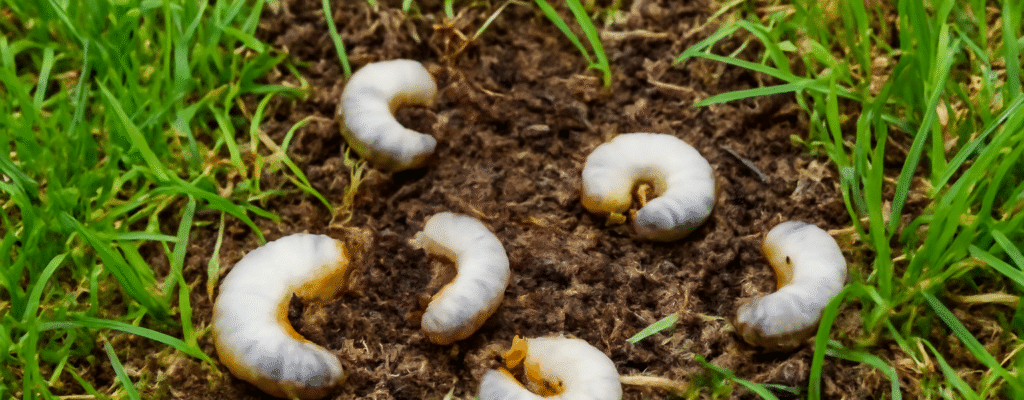
Finally, if you’ve battled white grubs in your lawn in previous years, now is the time to apply a grub control product. Grubs are the larvae of June beetles, and they feed on grass roots. This causes brown patches that can often be rolled back like a loose carpet. Skunks, raccoons, and birds digging in your yard are often a sign that grubs are present.
Preventive grub treatments work best when applied in early to mid-summer, before the young grubs begin feeding heavily. Water the product into the lawn according to the label directions so it reaches the root zone where the grubs are developing.
A little attention now can help keep both your garden and lawn looking their best through the hottest part of summer.