
In the garden this week (Sept. 12, 2026), fall is on its way. It is a good time to start thinking about protecting some of the plants in your yard before winter arrives. A few things you can do now will help your trees, shrubs, and garden make it through the colder months in better shape.
Protect Young Trees from Mice and Rabbits
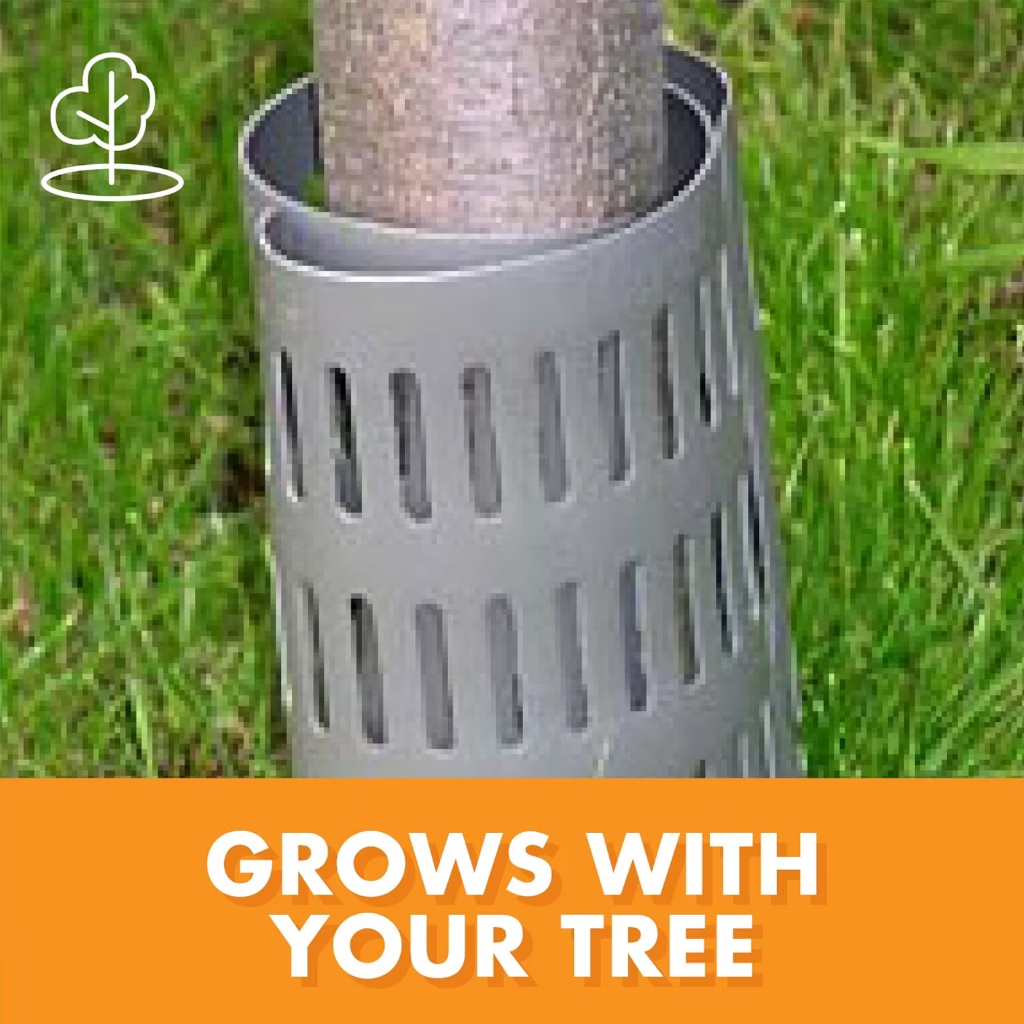
If you planted any new trees this year, fall is the time to think about protecting those tender young trunks from hungry mice and rabbits. Once snow covers the ground, rodents can have a much easier time reaching the bark.
One of the best products to use is a vented plastic tree wrap. The spiral-style wrap can be wound around the trunk of young trees to provide a barrier against chewing animals while still allowing some air circulation.
This is different from the paper tree wrap sometimes used to protect trunks from winter injury, such as frost cracking. For rodent protection, the plastic spiral guards are a better choice.
Another option is hardware cloth. If you use it, keep it a couple of inches away from the trunk so it doesn’t rub against the tree. Push the bottom a couple of inches into the soil to help keep mice from getting underneath it. Ideally, the protection should extend about 3 feet high, which should keep it above the snow line—assuming we don’t get one of those South Dakota winters that buries everything!
Watch for Reversion on Grafted Plants
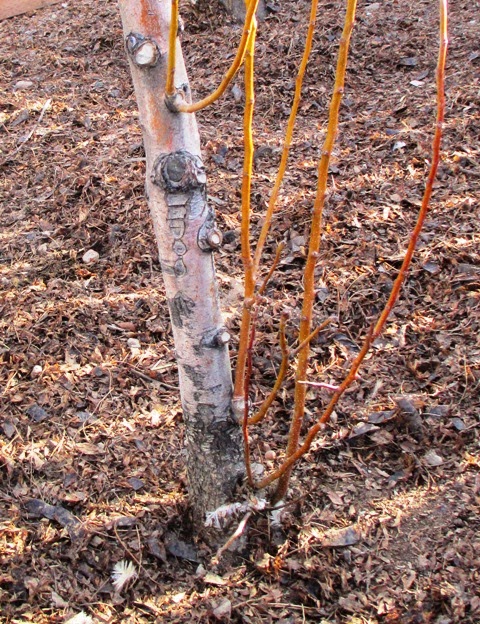
Speaking of trees, keep an eye on your grafted fruit trees and roses. If the only new growth you’re seeing is coming from below the graft, you may be dealing with what is called reversion.
Grafted plants are made by joining one variety—the desirable top portion—to a different rootstock. Growth coming from below the graft belongs to the rootstock, not the plant you originally purchased.
If you allow this growth to take over, eventually you may end up with something completely different from what you intended to grow. In some cases, the original grafted portion can die while the rootstock continues growing.
A good example is that beautiful hybrid tea rose you enjoyed last year. Suddenly, this year you have a vigorous, 6-foot-tall jungle of growth that produces completely different flowers—or perhaps very few flowers at all. That’s the rootstock taking over.
If the desirable grafted portion is gone and the plant has completely reverted to the rootstock, replanting is usually the best option. Do not save any of the suckers.
Powdery Mildew Showing Up
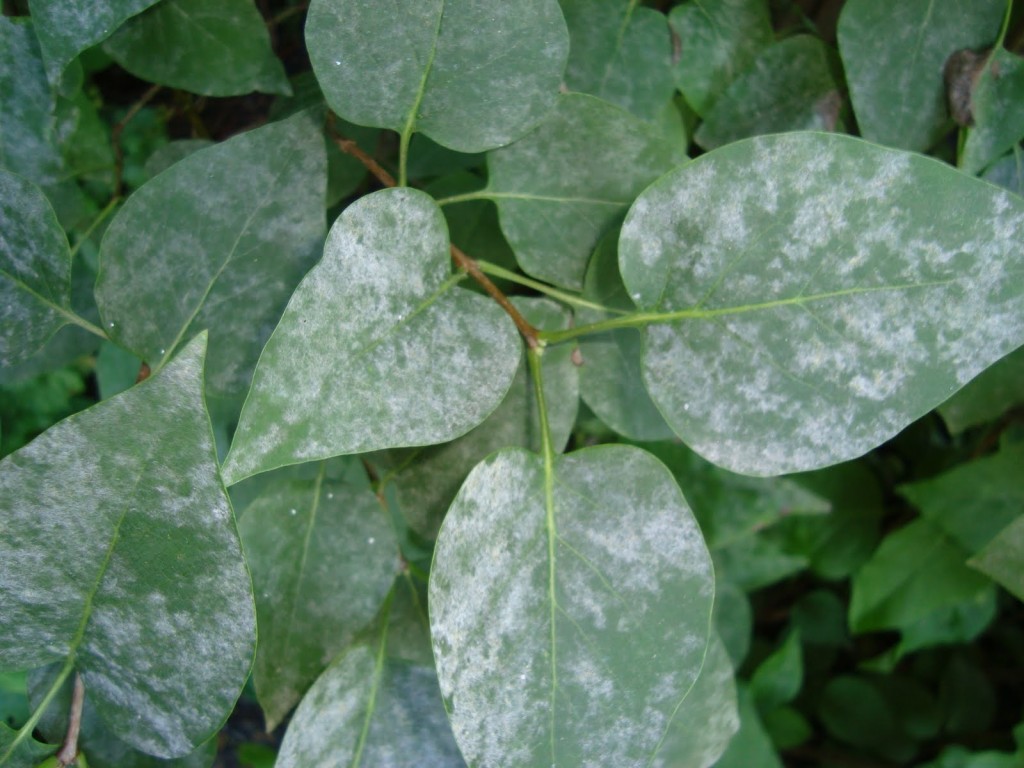
You may also be noticing powdery mildew on some of your plants. It is easy to recognize—it looks like someone took a handful of white talcum powder and sprinkled it over the leaves.
Powdery mildew can affect lilacs, many flowering plants, and a number of vining vegetables. It tends to become more noticeable as the nights get cooler and humidity increases.
If you catch it early, spraying the leaves with water can help remove some of the visible powder. However, this late in the growing season, it is generally too late to get much benefit from a fungicide treatment. At this point, concentrate on keeping the garden cleaned up and removing badly affected plant material when appropriate.
When Are Pumpkins and Winter Squash Ready?
If your vining crops are starting to decline, don’t panic. This is a natural part of the growing season.
After cucumbers, squash, pumpkins, and other vining plants have produced their crop, the plants will eventually begin turning yellow and producing less. They are simply reaching the end of their productive life.
For winter squash and pumpkins, however, don’t be too quick to pick them. You want the fruit to develop a hard outer shell before harvesting.
Here’s an easy test: try to pierce the skin with your fingernail. If your fingernail easily breaks through the skin, the squash or pumpkin probably needs more time on the vine. When the skin has hardened and your fingernail can’t easily penetrate it, you’re getting much closer to harvest time.
A little fall garden cleanup now, along with some protection for young trees, can make a big difference when winter finally arrives. And around here, you never really know how much snow we’ll have to deal with—so it doesn’t hurt to prepare for the worst and hope for the best!