
With these temperatures bouncing all over the place, it’s a good time to take a closer look at your trees and lawn.
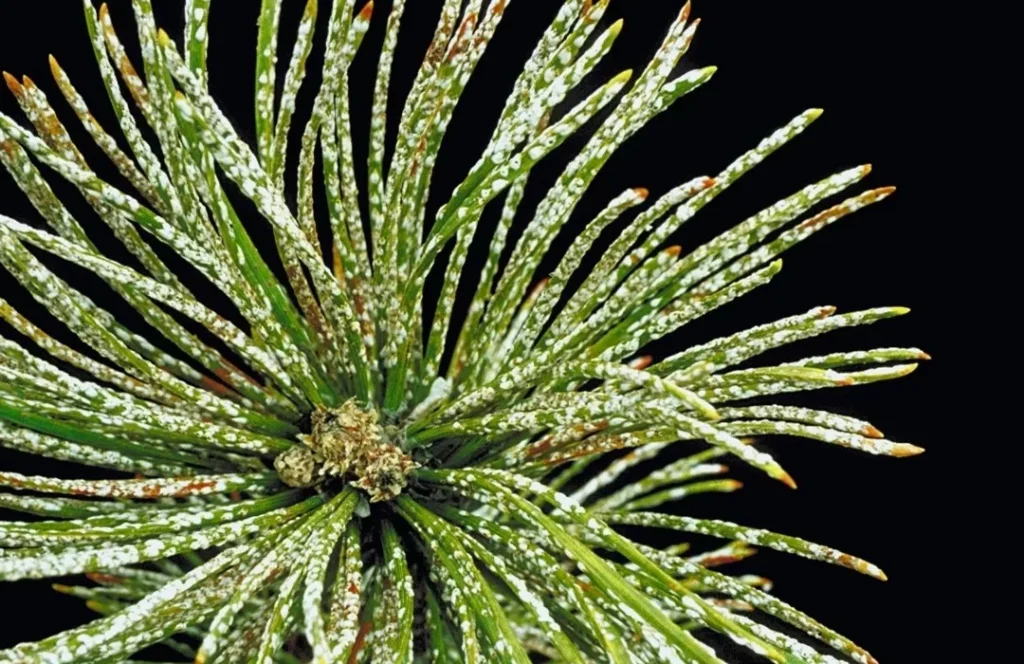
One thing to watch for on evergreens is pine needle scale. They show up as hard little bumps on the needles and can lead to needle dieback. Don’t rush to treat them, just yet, wait until they reach the crawler stage in May. That’s the best time to apply something like insecticidal soap or an oil treatment such as Neem oil.
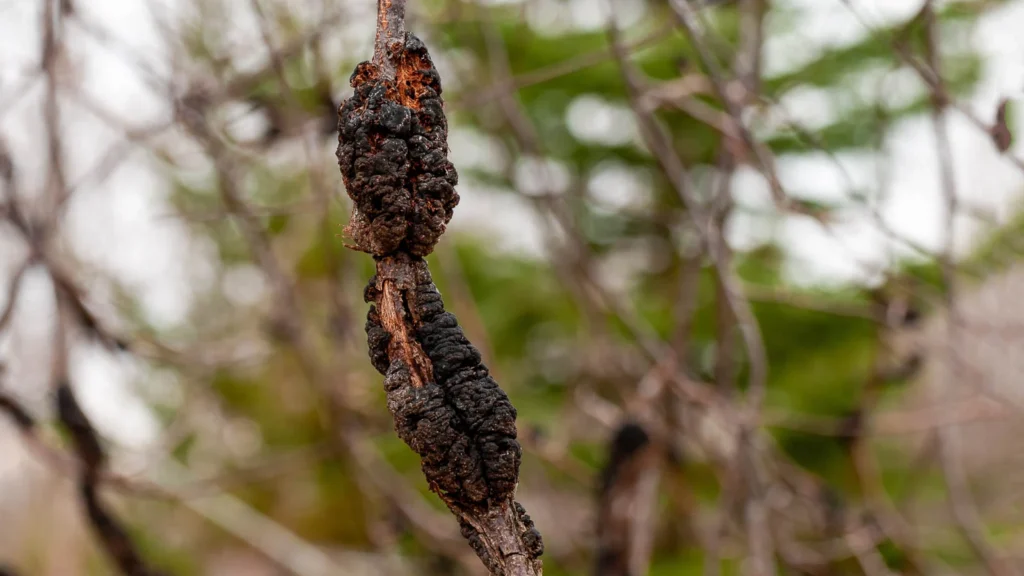
This time of year, it also makes it easy to spot black knot fungus on plums and chokecherries. You’ll see it as an elongated, black, rough growth toward the tips of branches. The best thing you can do is prune it out—cut at least 6 inches below the affected area to make sure you remove all of the infection and avoid spreading it further.
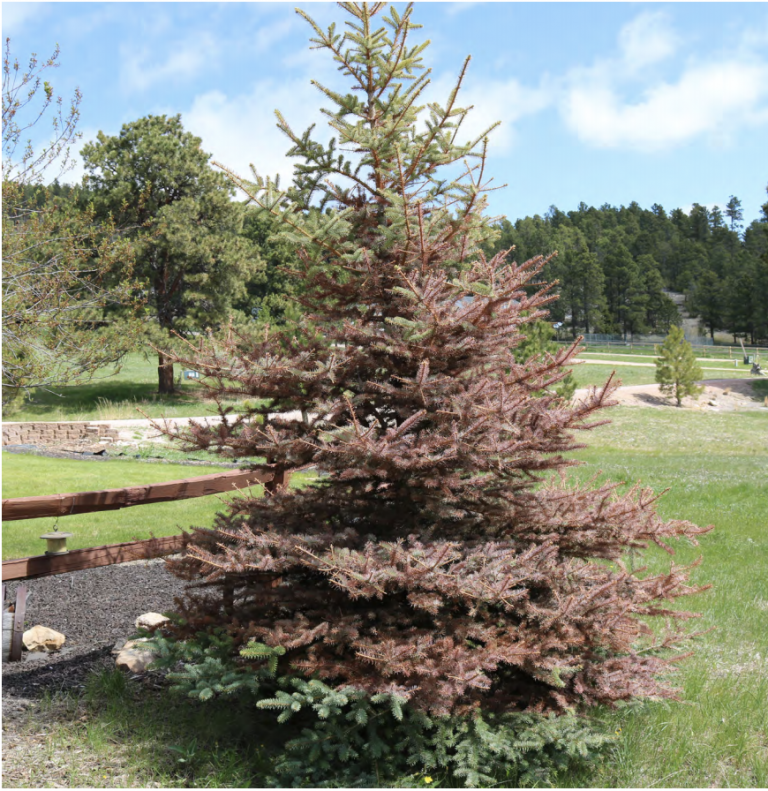
A lot of folks are noticing winterkill on evergreens, especially on the south side of the plant. This is really common with foundation plantings along the south side of the house. Between the dry winter and sun exposure, those plants just didn’t have enough moisture when they needed it. If you can carefully prune out the dead areas without leaving the plant too thin, go ahead and do so. Otherwise, it may be time to consider replacing it.
Dandelions are shaping up to be a bigger issue than usual this year. Some are already getting close to blooming, while others haven’t even popped up yet. When the timing is right, a Weed & Feed product can help. It’s important to apply it before those yellow flowers show up. Timing really is everything with dandelion control.
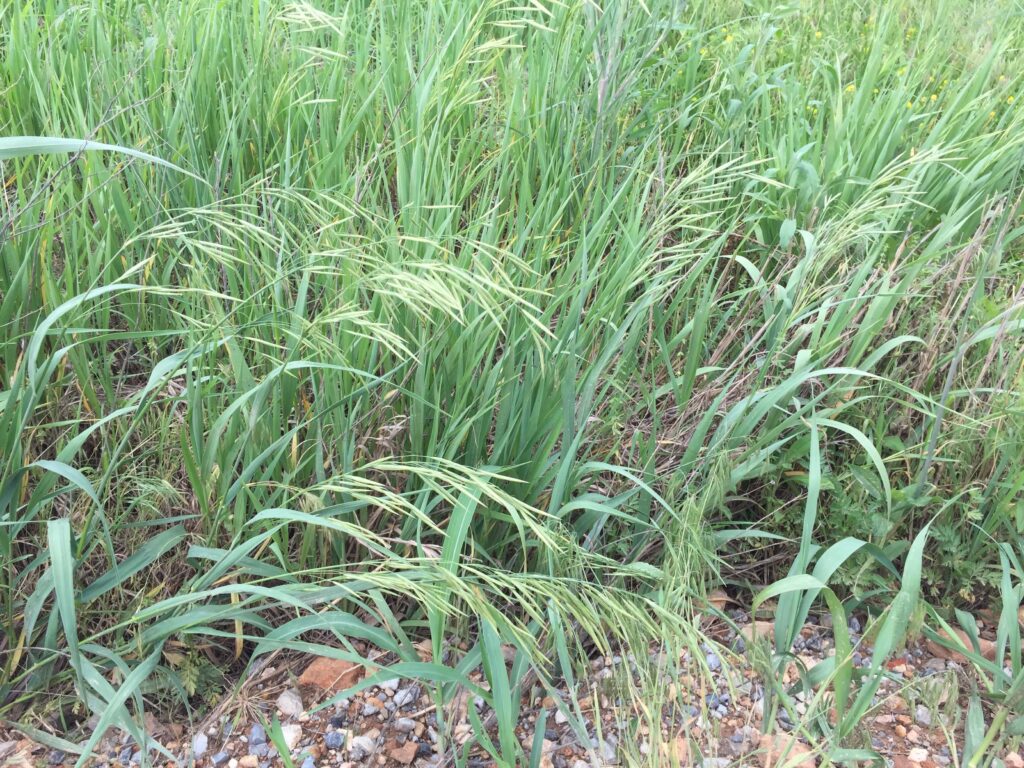
In the lawn, those bright green clumps that seem to jump out ahead of everything else are most likely smooth brome grass. It’s a perennial and can spread if left alone. So your best bet is to dig it out or spot-treat it with a grass-specific herbicide.
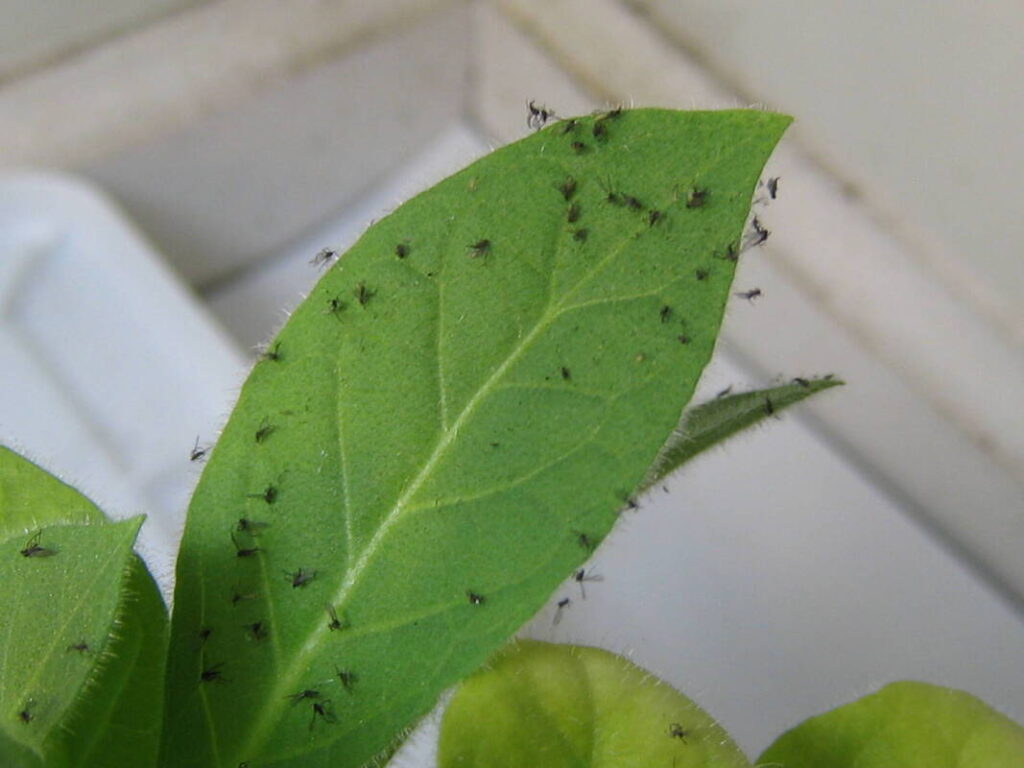
If you’re seeing those tiny flying gnats inside your home as we warm up, don’t worry, they’re more annoying than harmful. They won’t damage your plants. Let your houseplants dry out a bit more between waterings, and that should help keep them under control.
If your garden soil has dried out enough that you can actually work it without it sticking to everything, it’s go-time. This is a great time to get in there and do your tilling, so the soil is ready for planting.
You can also start putting in some of those early, cool-season crops. Things like radishes, spinach, and onion sets do just fine in these cooler temperatures, so there’s no need to wait. Getting them in now gives you a nice head start on the growing season.