
The vegetable garden had its share of ups and downs this summer, but looking at the flowerbeds put on quite a show! Some plants really outdid themselves, while others taught me a thing or two about where they belong in the garden next year. All the plants were grown from seed!
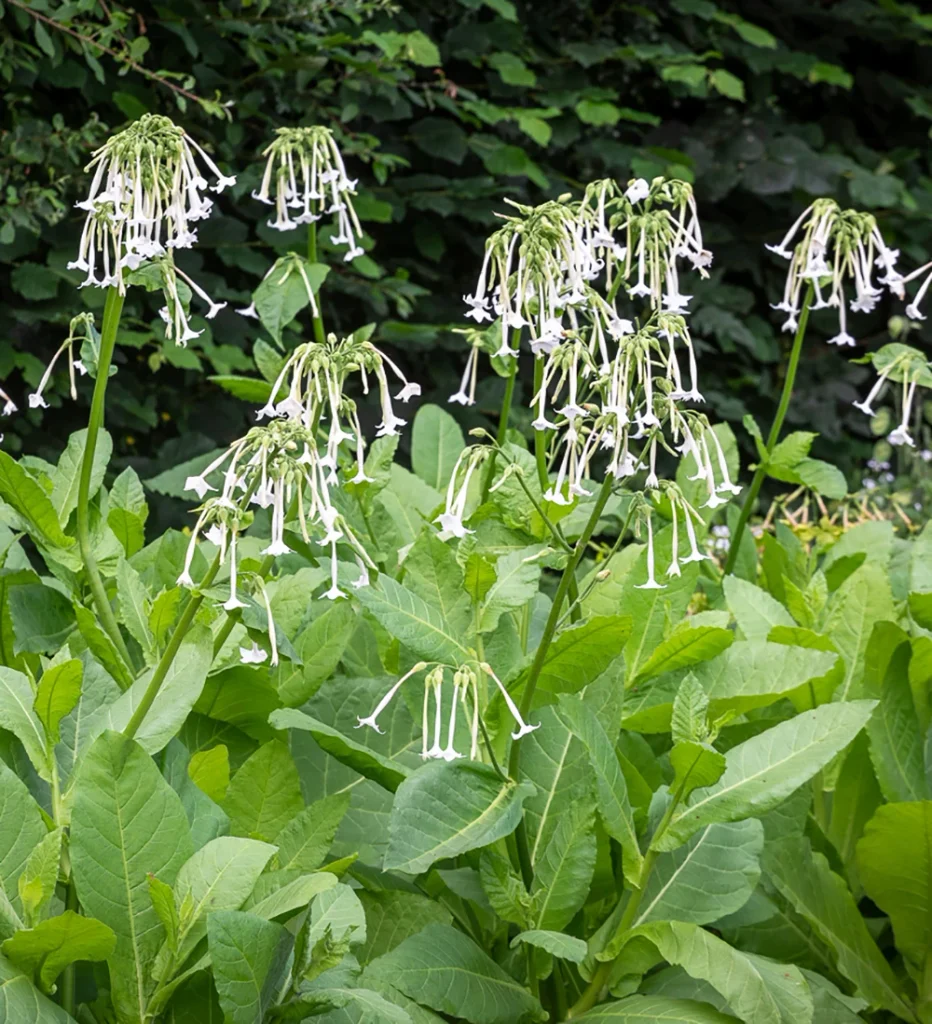
The Nicotiana ‘Only the Lonely’ was definitely one of my favorites. These stately plants grew to about 6 feet tall and were covered with beautiful white blossoms. Even better, they kept blooming from June all the way through November! They added a nice touch of height and elegance to the flowerbed, and I’ll definitely be making room for them again next year.
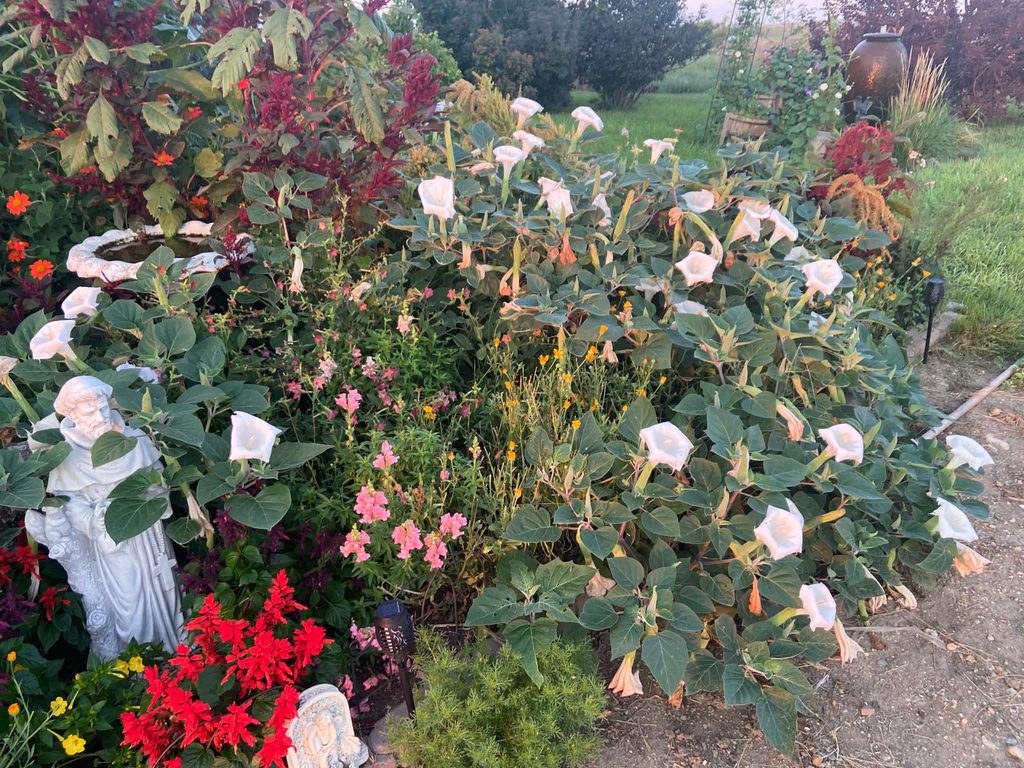
My Datura plants were another story. They grew about 3 feet tall and 3 feet wide, with blooms lasting from July through September. They were impressive plants, but they got a little too impressive for their neighbors! Daturas spread out so much that they smothered my zinnias and snapdragons. I guess I didn’t give them enough room. Next year, the Daturas are moving to the back of the flowerbed where they can have all the space they want without crowding everyone else out.
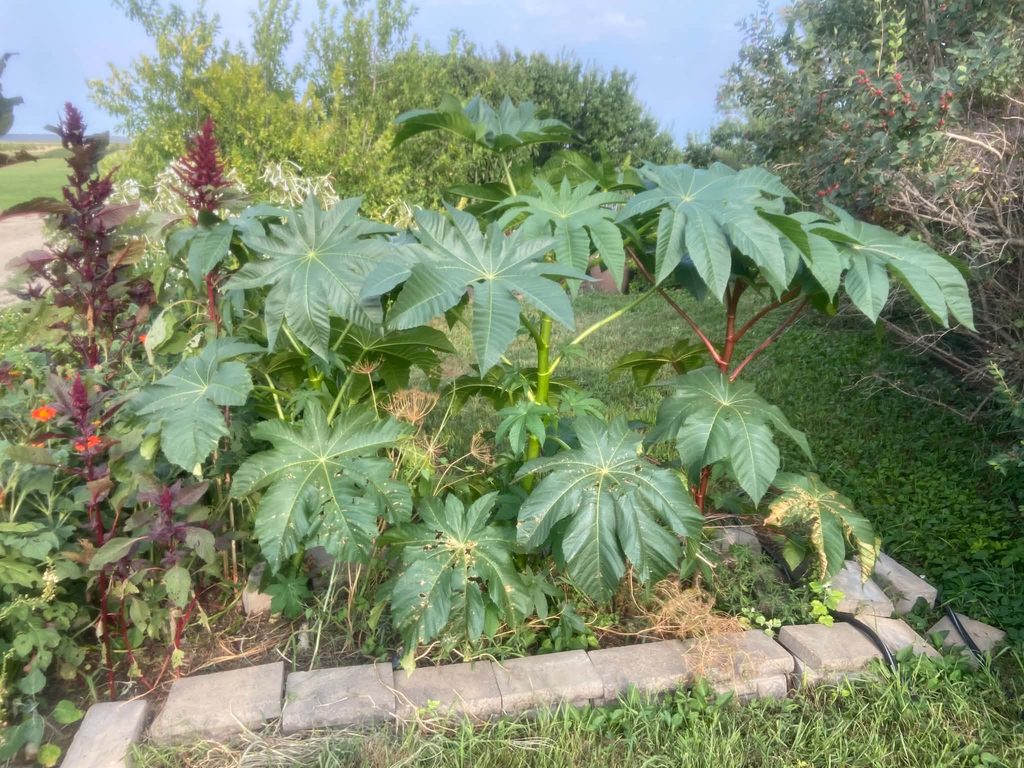
The castor beans did exceptionally well, too. They grew over 9 feet tall, with leaves nearly 3 feet across. Those are some impressive leaves! Castor beans make a wonderful backdrop and provide a great natural screen. They are also surprisingly sturdy. We had winds reaching 70 mph, and those big plants didn’t even tip over. That’s quite a testament to how strong they can be!
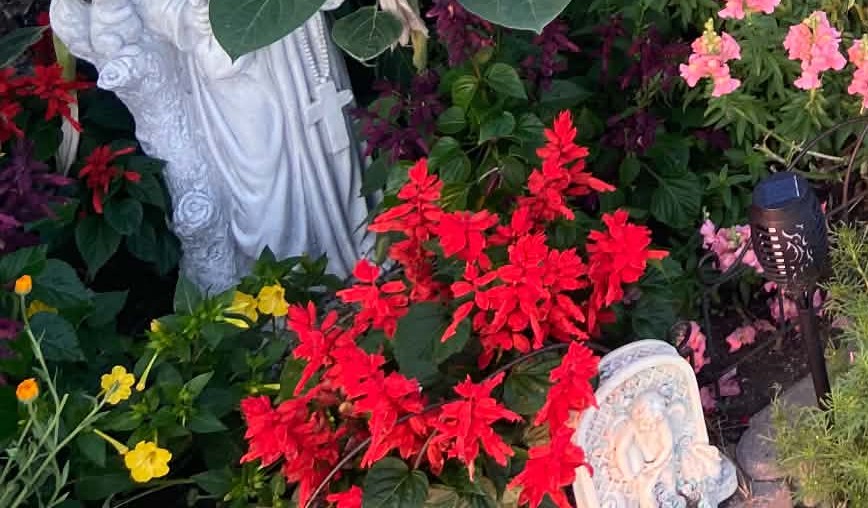
This was my first year growing summer salvias, and I have to admit I was pleasantly surprised. I’ve never been particularly impressed with them in the greenhouse, but I decided to give them a try in the flowerbed. They grew about 1½ feet tall and just as wide, with white, purple, and red blossoms. They stayed colorful all summer and continued blooming into November. I will definitely plant these again. They’ll be going along the front of the flower border where their long-lasting color can really be appreciated.
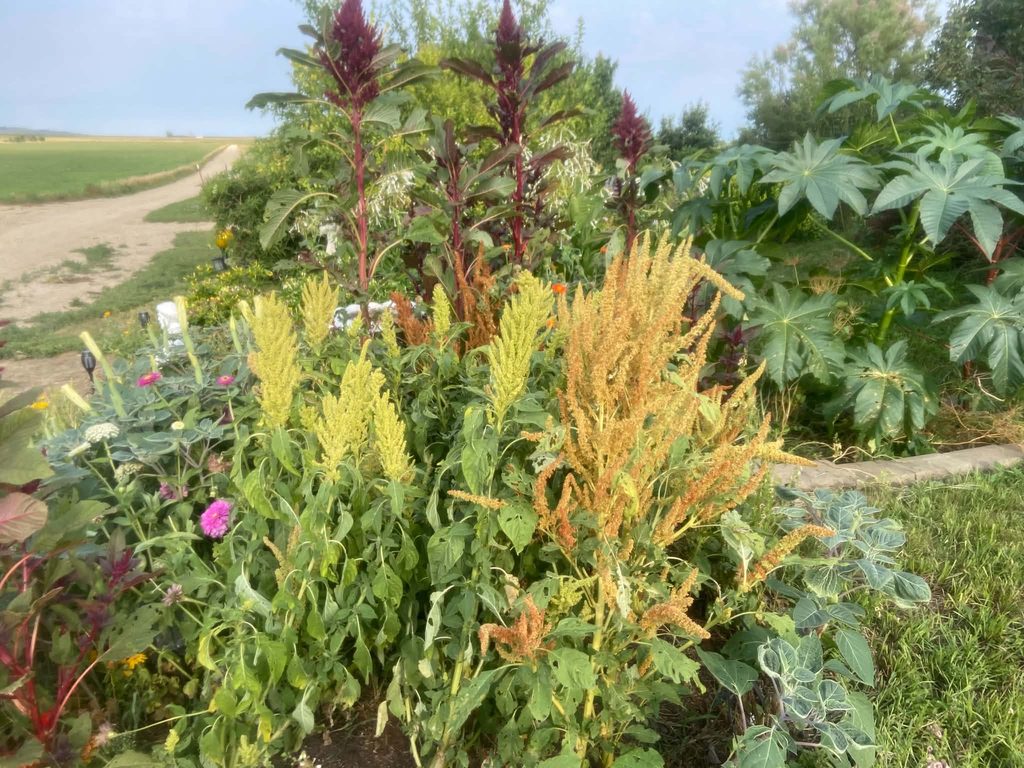
The Amaranthus and four o’clocks did well, too, but that’s nothing new. They seem to know what they’re doing every year, and I can usually count on them to put on a good show.
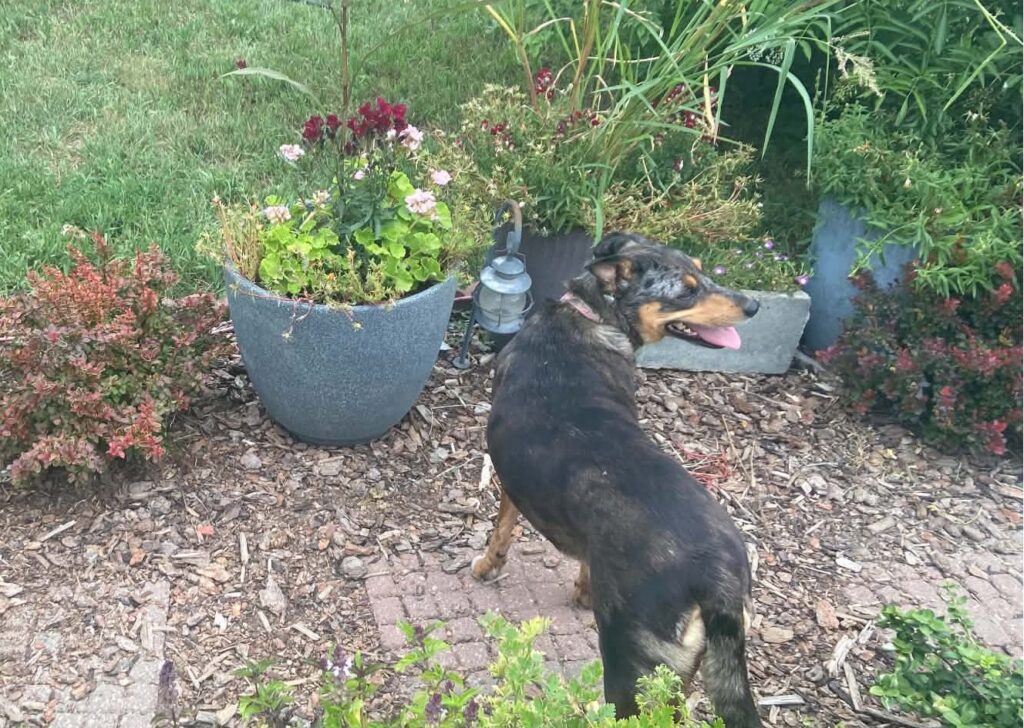
The planters were another bright spot this summer. The snapdragons were the real showstoppers! I found some beautiful dark purple and red varieties and paired them with trailing deep purple vinca and a few orange geraniums. The combination of colors really stood out and made the planters eye-catching. Sometimes it’s just a matter of finding the right color combinations by accident to make everything come together.
All in all, the flowerbeds had a pretty successful summer. I discovered a few new favorites, learned that Datura needs more room than I gave it, and found some plants that are definitely worth growing again.
Now comes the fun part of winter gardening: looking through seed catalogs and deciding what to plant next year. Of course, after a summer like this, there are already a few plants I’m looking forward to growing again!