
In the garden this week, if you’ve spent any time outside lately, you’ve probably noticed one thing, they’re everywhere. Grasshoppers are having a banner year, especially in rural areas. They seem to be chewing on just about everything from flowers to vegetables.
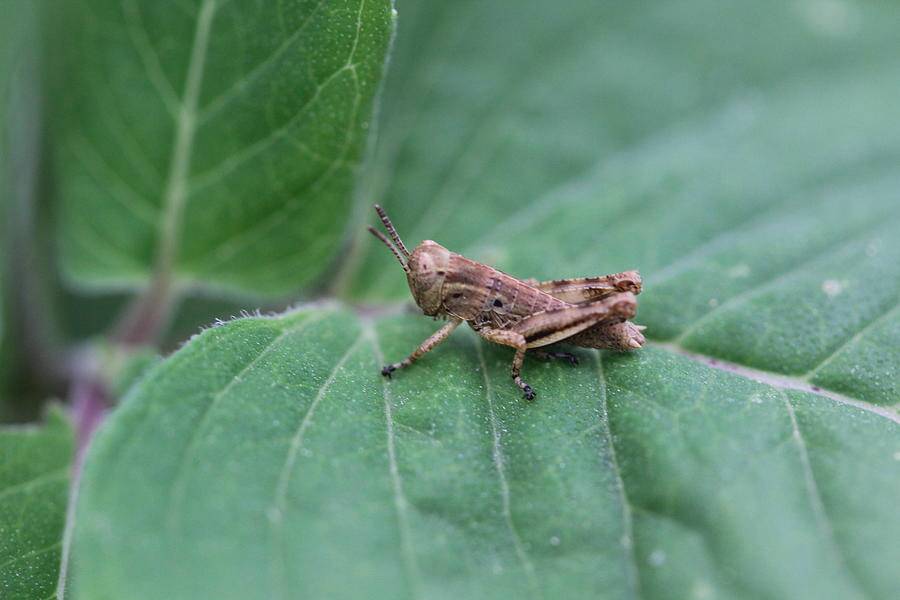
Grasshopper eggs hatch in late spring and early summer. When they’re young, they’re much easier to control because they can’t fly very well. Once they develop wings, they become much more difficult to manage.
One of the best ways to discourage them is by keeping the area around your garden clean. Weedy patches, tall grass, fence rows, and roadside ditches provide food and shelter before they move into your garden. Mowing and removing weeds around your growing areas can help reduce the number of grasshoppers that find your vegetables and flowers.
If grasshoppers become a real problem, grasshopper baits made with bran are most effective while they’re still young. Scatter the bait around the outside edges of the garden rather than directly among your vegetables or flowers, and always follow the label directions. If you have pets that roam the yard, this may not be the best option.
For heavy infestations, insecticides labeled for grasshoppers can provide additional control. Products containing carbaryl or bifenthrin are commonly used on ornamental plants and around gardens. As always, read and follow the label carefully. If you prefer a lower-impact approach, neem oil can help discourage feeding, although it works best on young grasshoppers and may need repeated applications.
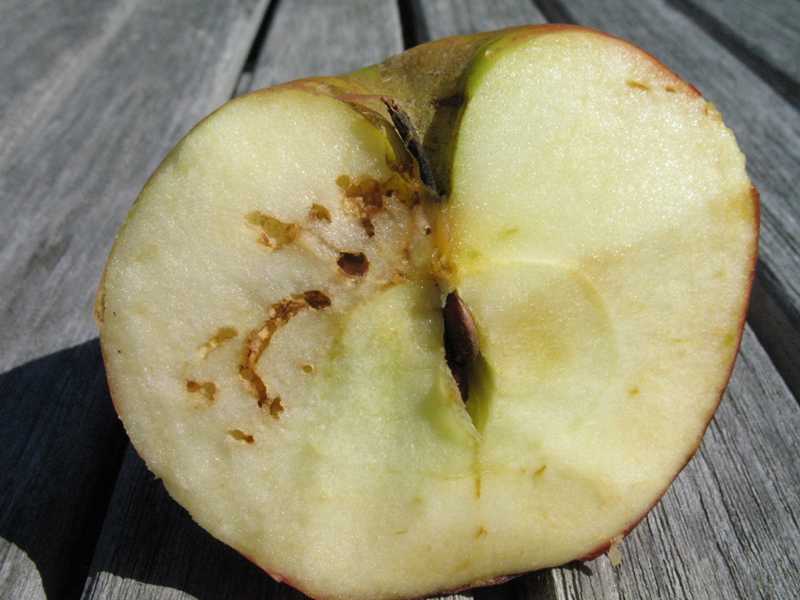
If you’ve had problems with apple maggots in previous years, now is the time to begin spraying. These insects are sometimes called “railroad worms” because of the winding brown tunnels they leave inside the fruit. An all-purpose orchard spray applied now through mid-August can help protect your apple crop.
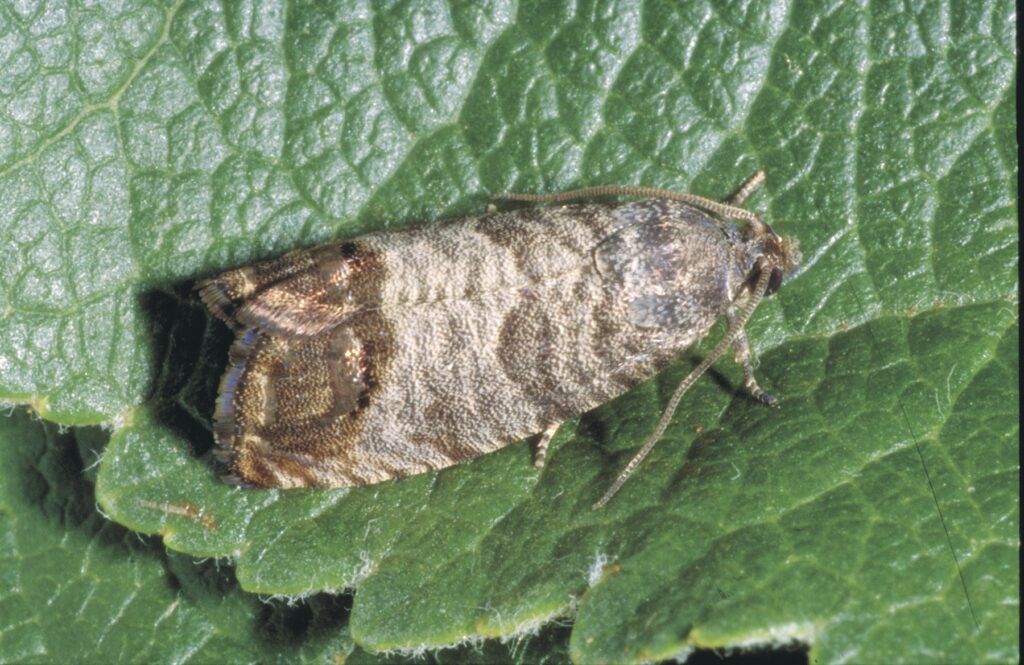
Another common pest is the codling moth, the culprit behind the classic “wormy apple.” Adult moths lay eggs on developing fruit, leaving a small dark, sunken spot often called a “sting.” Once the eggs hatch, the larvae tunnel into the apple and head straight for the core to feed on the seeds. If codling moths have been a problem in your orchard, a spray program containing malathion can help reduce damage when applied according to label directions.
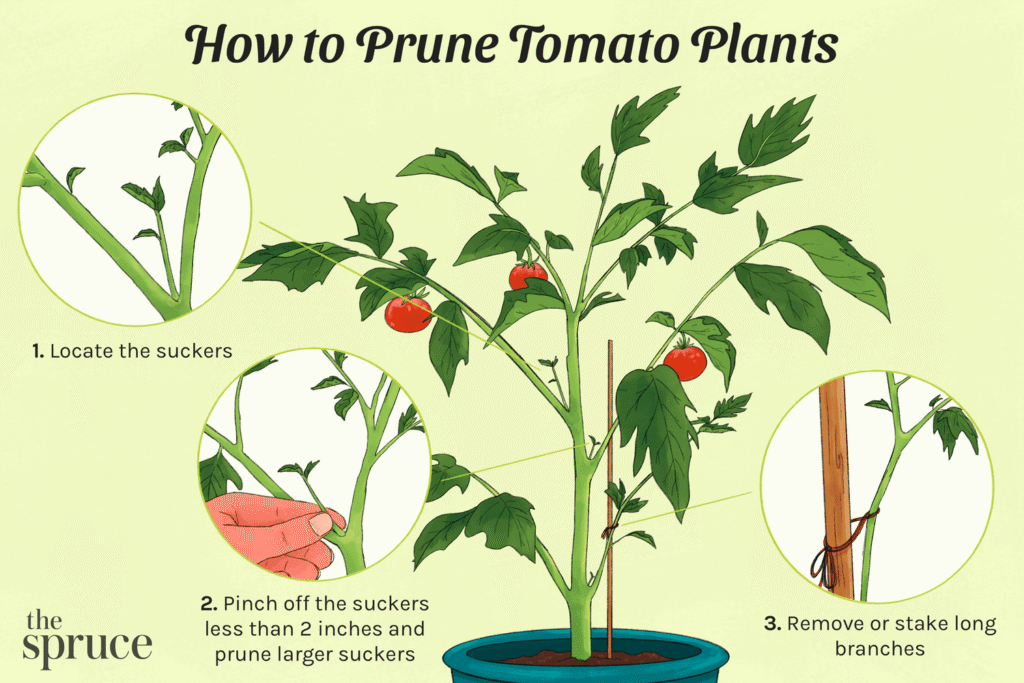
Many gardeners ask how much they should prune their tomato plants. The answer depends on what type of tomato you’re growing.
Determinate tomatoes, often called bush tomatoes, grow to a certain size, produce most of their crops over a short period, and then stop growing. These varieties require very little pruning, and removing too many stems can actually reduce your harvest.
Indeterminate tomatoes continue growing and producing fruit until frost. These plants benefit the most from pruning.
The main focus is removing suckers, the small shoots that develop in the “V” where a leaf joins the main stem. Pinch them off when they’re only 2 to 4 inches long. If they get larger, use a clean pair of hand pruners.
Personally, I keep tomato pruning pretty simple. The only pruning I do is remove the leaves along the bottom 12 inches of the stem. Those lower leaves often touch the soil, making it much easier for diseases like early blight to splash onto the plant during rain or watering. Removing them improves air circulation and helps keep the plants healthier throughout the season.
With grasshoppers, insect pests, and tomatoes all demanding attention right now, there’s certainly plenty to keep gardeners busy. A little time spent in the garden each week can go a long way toward keeping your plants healthy and productive through the rest of the summer.
6 comments for “The Garden this Week”