
Summer is beginning to make its presence known in the night sky this week. The first day of summer in 2026, the June solstice, is one of those moments you feel as much as you understand. When you step outside on June 21, the sky, the light, and even the way the day moves all shift in subtle but unmistakable ways.
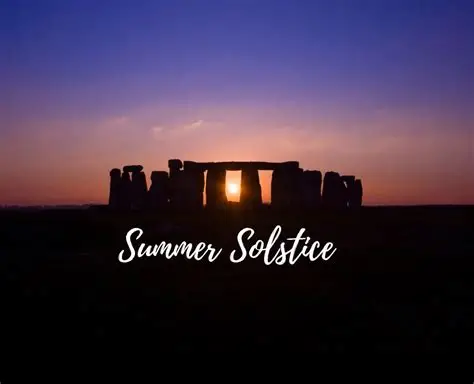
On this day, the Sun climbs to its highest point of the entire year, and you can sense it in the way the world looks and behaves. The daylight stretches long and slow, almost as if the Sun is reluctant to leave. Shadows at noon shrink to their shortest, giving everything a crisp, upright look.
🌙 Evening Highlights
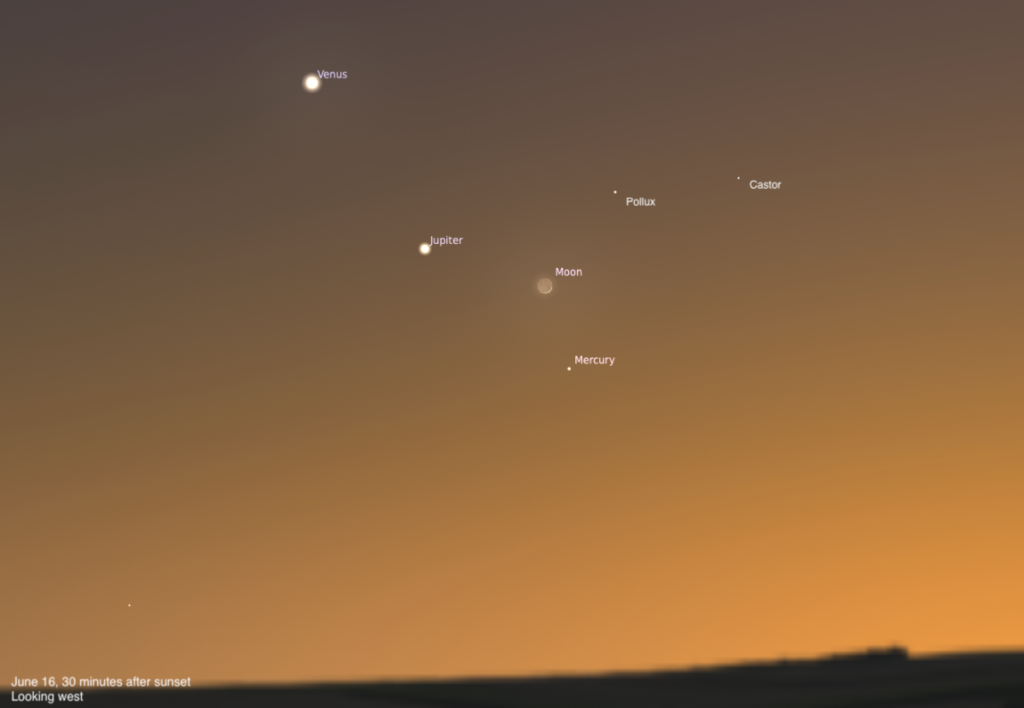
Mercury makes a brief appearance in the evening sky this week. About 30 minutes after sunset, look low in the western sky just above the horizon. It won’t stay visible for long, so you’ll need a clear western horizon if you’d like to catch it. On Monday, Mercury sits to the upper left of the crescent Moon. By Tuesday evening, the little planet will be below the Moon, forming a nice triangle with Jupiter. Mercury will fade in the coming few weeks.
Right after sunset, Venus is stealing the show. It shines so brightly that it’s often the very first object you’ll notice as the sky begins to darken. If you’re looking west, it’s nearly impossible to miss.
Venus has now passed Jupiter as it climbs higher in the sky. Because Venus is much closer to Earth and moves faster in its orbit, you can actually notice their changing positions from week to week. On Wednesday, the Moon passes in front of Venus during the daytime. Unfortunately, since this event occurs while the Sun is up, we won’t be able to witness it.
Jupiter remains visible after sunset before finally setting before midnight. Even a small pair of binoculars can make the giant planet more interesting. Under steady skies, you may be able to spot its four largest moons lined up beside it like tiny stars.
🌅 Early Morning Sky
If you’re up before sunrise, there’s still plenty happening overhead.
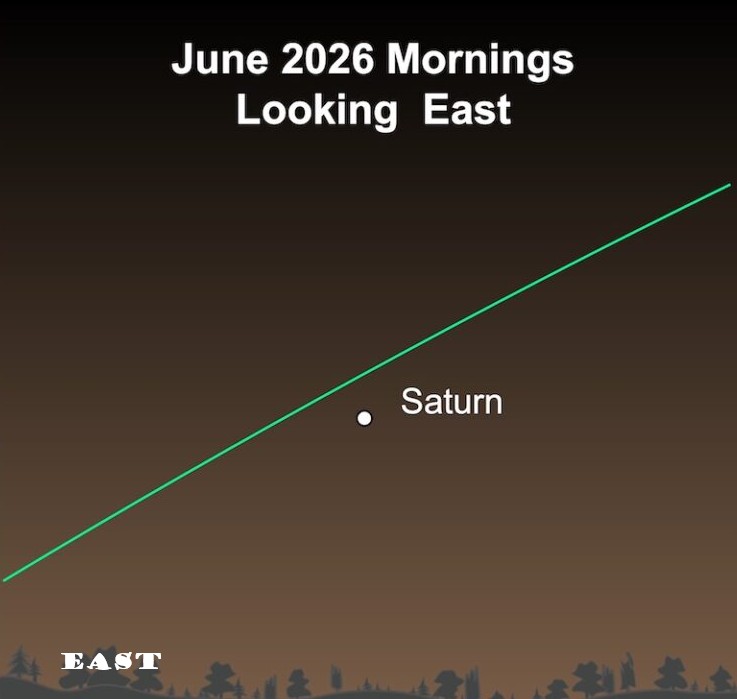
Saturn is becoming easier to find in the southeast before dawn. Its steady golden glow helps it stand out once you know where to look.
Mars is nearby, sitting lower and a bit to the left of Saturn. The Red Planet rises about an hour before sunrise.
✨ Constellations of the Week
This time of year really shows how quickly the night sky changes with the seasons.
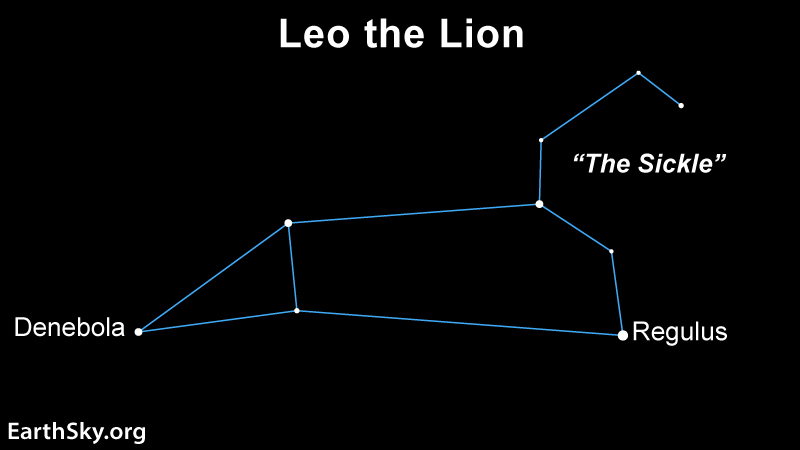
By around 10 p.m., Leo the Lion is sinking toward the western horizon. Once you learn its shape, it’s easy to recognize. Look for the backward question mark known as the “Sickle,” with a triangle of stars extending behind it. The bright star Regulus sits at the base of the Sickle and marks the lion’s heart.
Leo also has an interesting connection to history. In ancient Egypt, the Sun’s movement into Leo roughly coincided with the annual flooding of the Nile River. Those floods brought life-giving water to the land, and lion imagery later became common in fountains and artwork throughout Greek and Roman cultures.
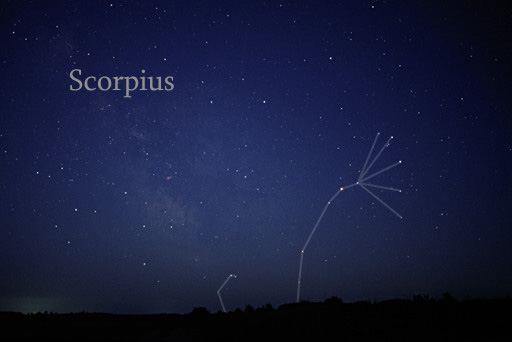
Meanwhile, one of the most recognizable summer constellations, Scorpius, resembles a scorpion with a long, curving tail. Its bright red star, Antares, is often called the “heart of the scorpion” and rivals Mars in color. Look to the southeast to east for this splendid constellation.
For skywatchers in the Northern Hemisphere, Scorpius has long been a symbol of summer. When its curved tail and bright red heart rise in the southeast on warm evenings, many observers know that summer has truly arrived.
If you get a clear evening this week, take a few minutes to step outside and look up. The night sky is changing quickly now, with spring gradually giving way to summer. From bright planets to rising summer constellations, there’s something new to notice almost every night, and you never know what might catch your eye.