
Night sky this week through June 5th, 2026, with spring giving way to summer. You can really notice the change taking place from week to week. The evenings are getting warmer, sunsets are stretching later into the night, and the familiar stars of winter are slowly slipping away as the constellations of summer begin rising in the east. It’s one of the best times of year to spend a few quiet minutes outside, enjoying that transition overhead and watching the sky slowly shift into its summer pattern.
🌙 Evening Highlights
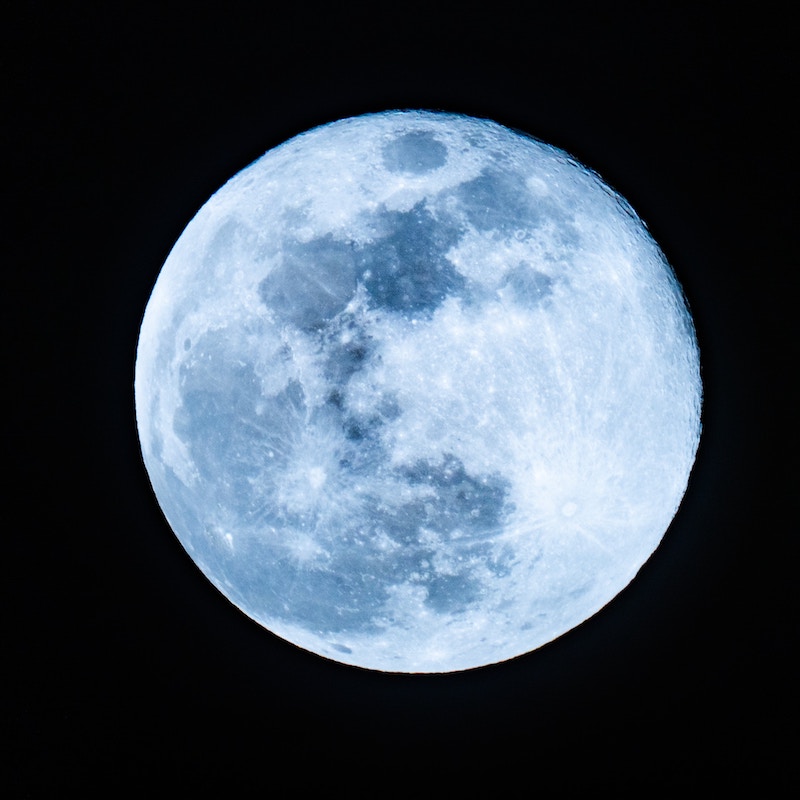
On Sunday, there will be a full moon. It is the second full moon in May and is called a blue moon. The saying once in a blue moon comes from this. Right above the moon is a star called Antares (the heart of the scorpion). This moon is at the furthest point from the Earth, so it is known as a minimoon.
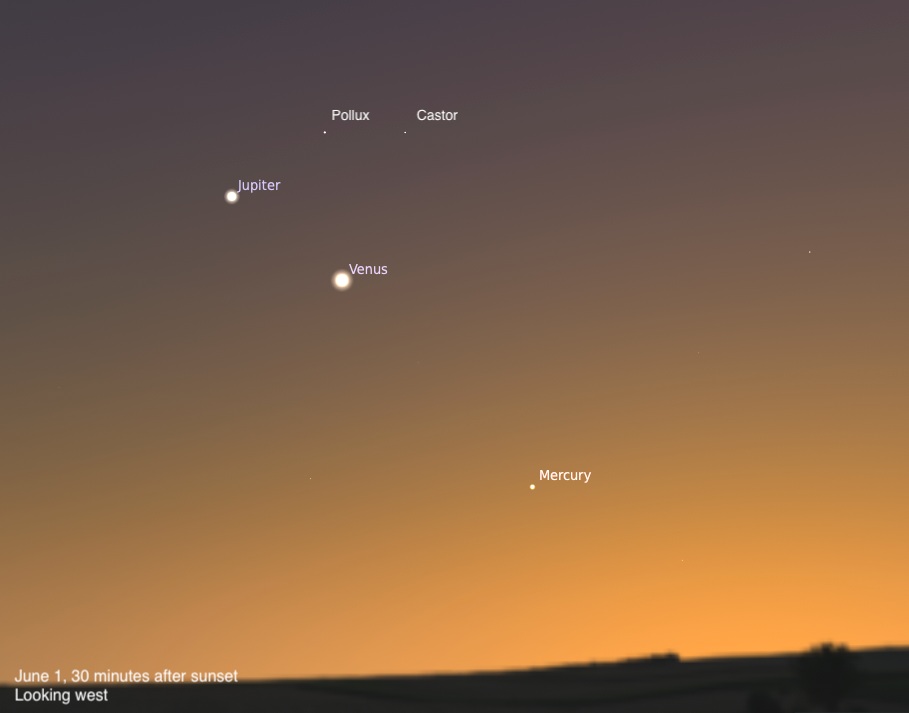
Mercury shows up in the evening skies this week. In half an hour after sunset, look to the west just above the horizon. The little planet sets an hour and a half after sunset.
Right after sunset, Venus is stealing the show. It’s incredibly bright and usually becomes visible before any of the other stars do. Look toward the west-northwest, and you really can’t miss it.
Venus has now moved into the constellation Gemini, where Jupiter is also shining brightly nearby. Over the next few weeks, the two planets will slowly appear to move closer together in the sky, and that’s always fun to watch from night to night.
Jupiter remains high enough to enjoy for most of the evening before finally setting after midnight. Even a small pair of binoculars can make things interesting. If the sky is clear and steady, you may be able to spot Jupiter’s four largest moons lined up beside the planet like tiny little stars.
🌅 Early Morning Sky
If you happen to be out before sunrise, there’s still quite a bit going on.
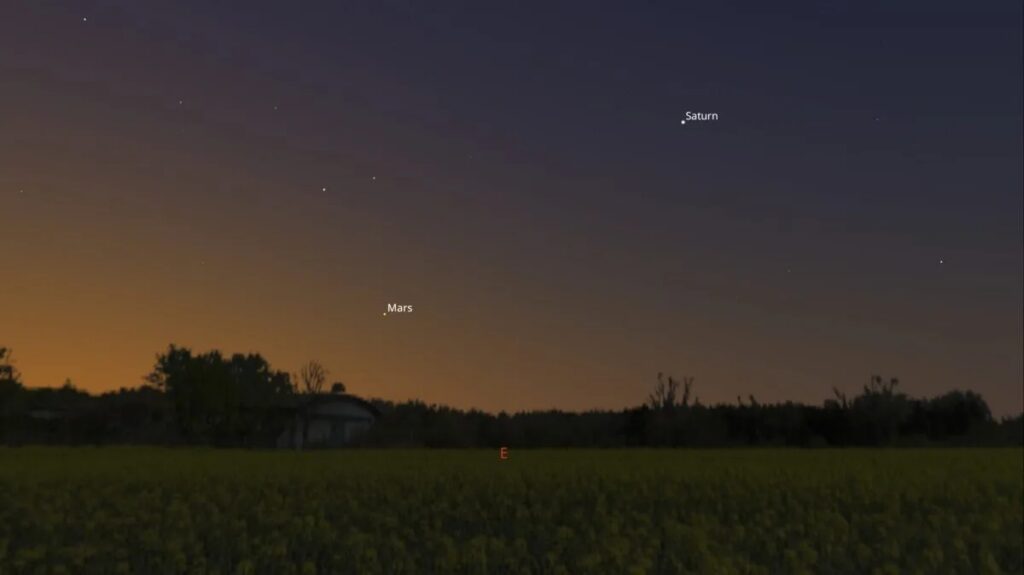
Saturn is becoming easier to spot in the southeast around 5:00 AM. It has a steady golden glow that stands out once you know where to look.
Mars is nearby, sitting lower and a little to the left of Saturn. The red planet rises half an hour before sunrise.
✨ Constellations of the Week
This time of year is when the sky really starts showing the transition between seasons.
Near Jupiter, you’ll notice two bright stars that mark the constellation Gemini. The brighter yellow-orange one is Pollux, a red giant star about 34 light-years away. Right beside it is Castor, which looks like a single star to our eyes but is actually a multiple-star system located around 51 light-years from Earth.
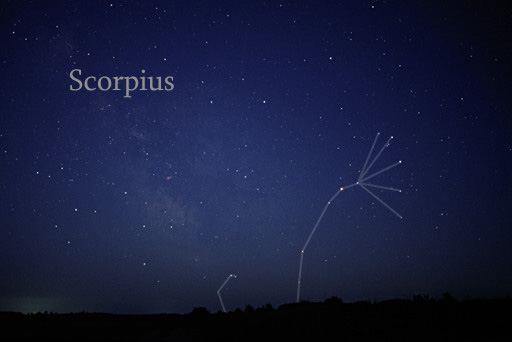
At the same time, Scorpius the Scorpion is beginning to rise in the southeast, giving us one of the first big hints that summer skies are on the way. Around midnight, the constellation lies to the south.
If you get a clear evening this week, take a few minutes to step outside and enjoy it. This is one of those stretches of the year where the sky changes noticeably from week to week, and you can really feel the seasons shifting overhead night by night.