
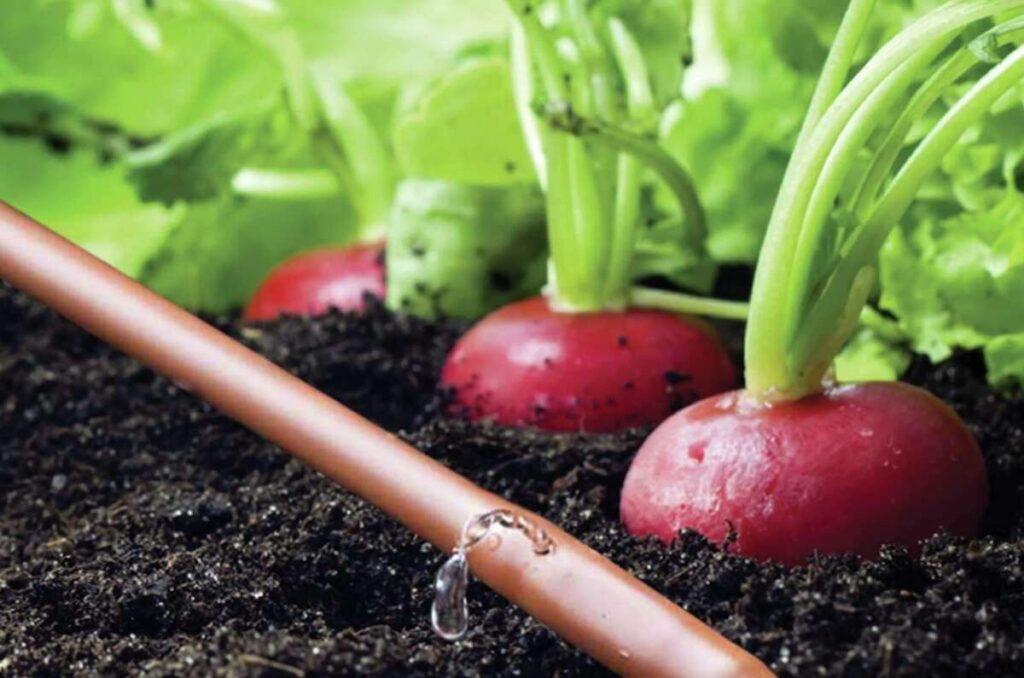
This week in the garden (May 14, 2026) is starting to look like we could be heading into a dry summer. Hopefully, that changes, but it’s a good time to start thinking about watering efficiently. One of the best tips is to keep the water down at the plants instead of spraying it up into the air, where so much is lost to evaporation. Soaker hoses or drip irrigation work great for this. In my garden, I run drip tubes right along the rows, usually underneath plastic mulch. Then all I have to do is turn the water on before work in the morning and shut it off when I get home. It saves water, cuts down on weeds, and makes watering much easier.
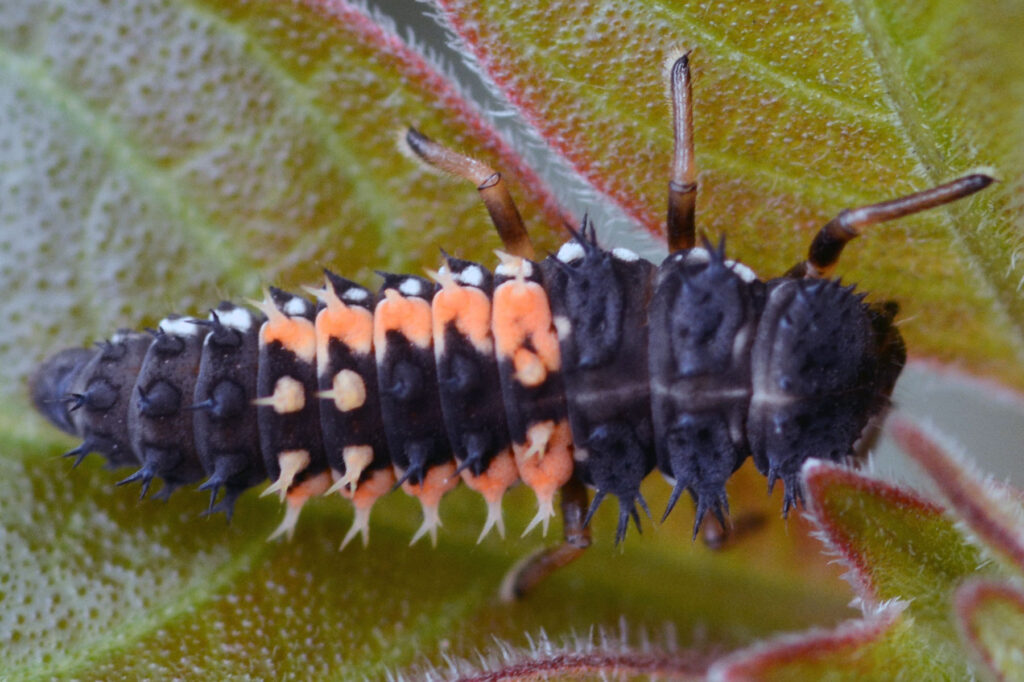
I’ve also received a couple of pictures lately asking about strange “bugs” showing up on flowers and garden plants. In several cases, they turned out to be ladybug larvae. They honestly look like something from a science fiction movie, but they’re one of the good guys in the garden. Ladybug larvae feed heavily on aphids and other harmful insects. So if you see them crawling around your plants, consider yourself lucky.
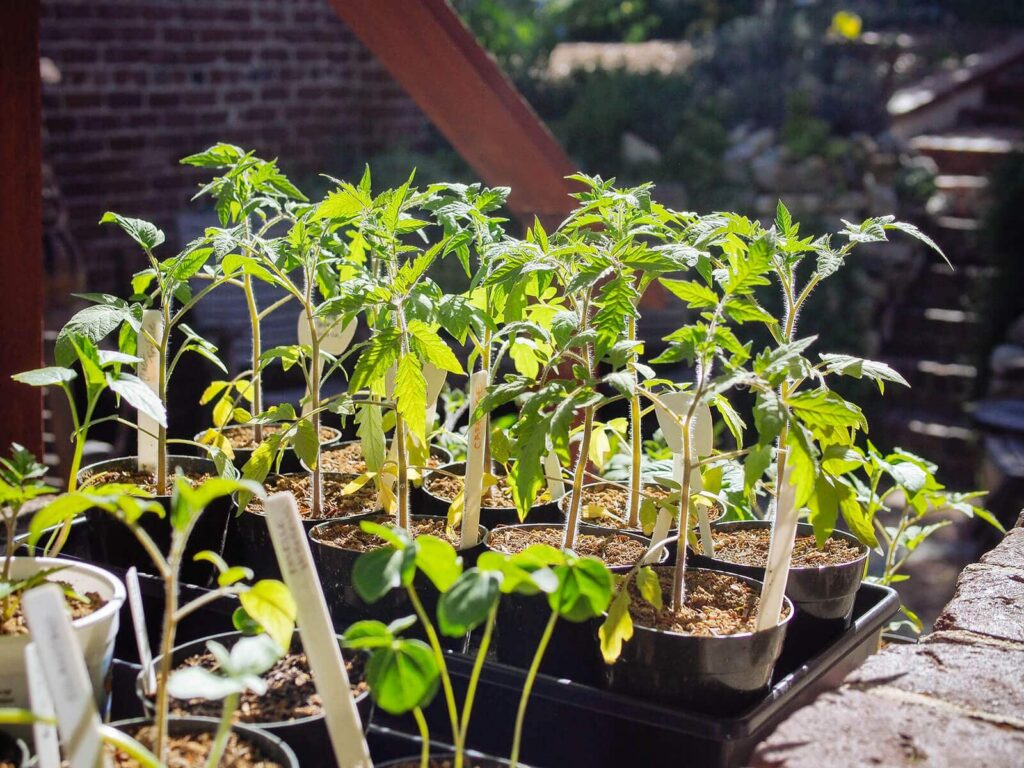
Plants grown inside a greenhouse have had a pretty comfortable life. Temperatures stay steady, the sunlight is filtered, there’s very little wind, and water is usually available whenever they need it. Because of that, those young plants are not ready for the sudden change of outdoor conditions. If you move them directly from the greenhouse into the garden, the shock can be pretty hard on them. Leaves may turn white or brown from sunburn, strong winds can cause them to wilt, and chilly nights may stunt their growth for weeks. Start by setting them in a shaded area or on the east side of the house for a few days. If nighttime temperatures drop below 45 degrees, bring them inside or protect them. Gradually move them into more sunlight over the course of a week. They’ll adjust much better once planted in the garden.
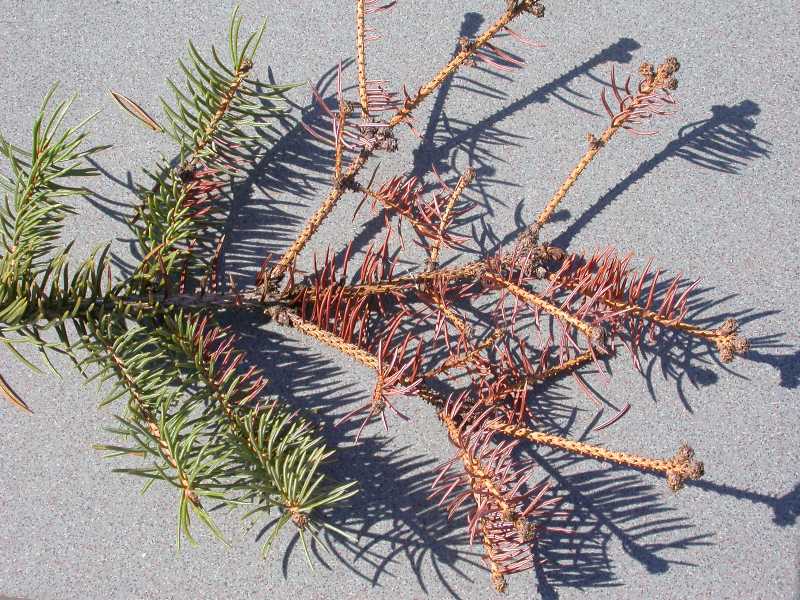
Needle cast fungi are also beginning to show up on pine and spruce trees. This disease usually starts on the inner, older needles and lower branches before slowly working its way upward through the tree. You may notice tiny black spots on the needles before they begin falling off. If you’ve had problems with needle cast before, a systemic fungicide spray can help manage it. However, if only the older inner needles are dropping while the new growth still looks healthy, that is often just a normal part of the tree aging and shedding older needles.