
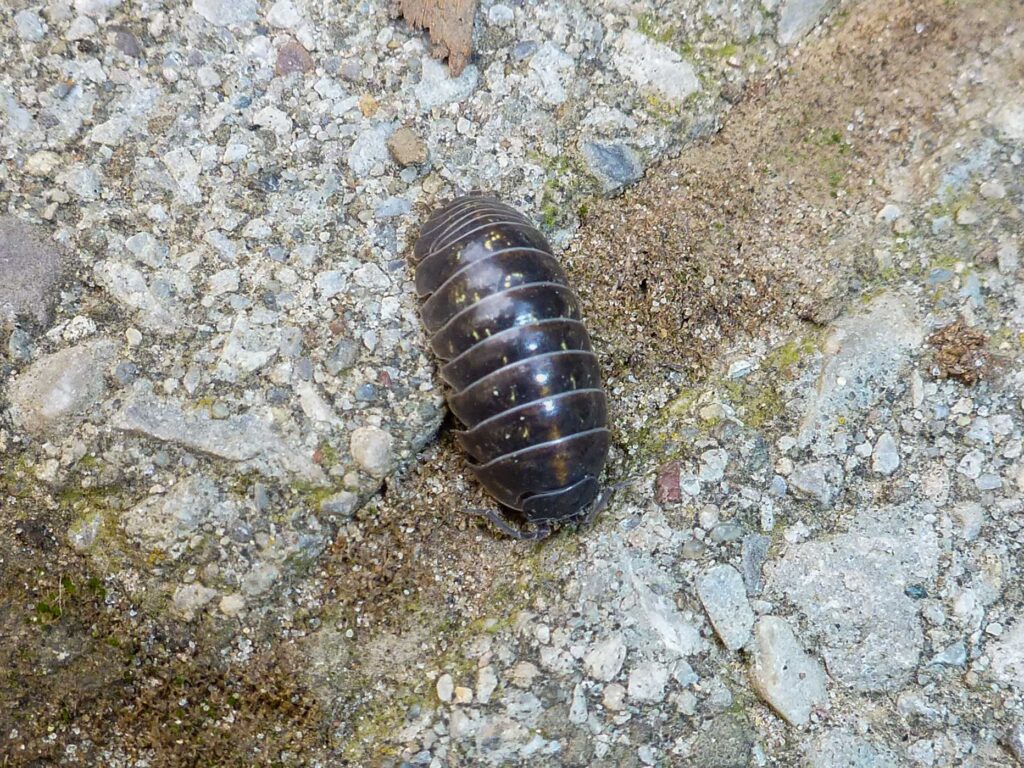
You might be noticing a bunch of little gray “bugs” with lots of legs hanging out in your basement, under mulch, or around old wood. Those are sowbugs or pillbugs. Fun fact: they’re not actually insects at all, they’re crustaceans… more closely related to lobsters than anything else!
They love cool, damp, dark places, which is why they show up where they do. The good news? They don’t cause any harm. In fact, they’re helpful, they feed on decaying material and can even take in heavy metals like lead. So, if you can, it’s best to just leave them be. If you’re trying to tell them apart, pillbugs are the ones that can roll up into a tight little ball, while sowbugs can’t.
When it comes to planting trees and shrubs, diversity really matters. We’ve seen what happens when we rely too heavily on one type, like American elms, which were wiped out by Dutch elm disease, and now green ash trees are being hit hard by the emerald ash borer (along with native borers). Even some commonly planted pines and spruces are struggling with fungal diseases.
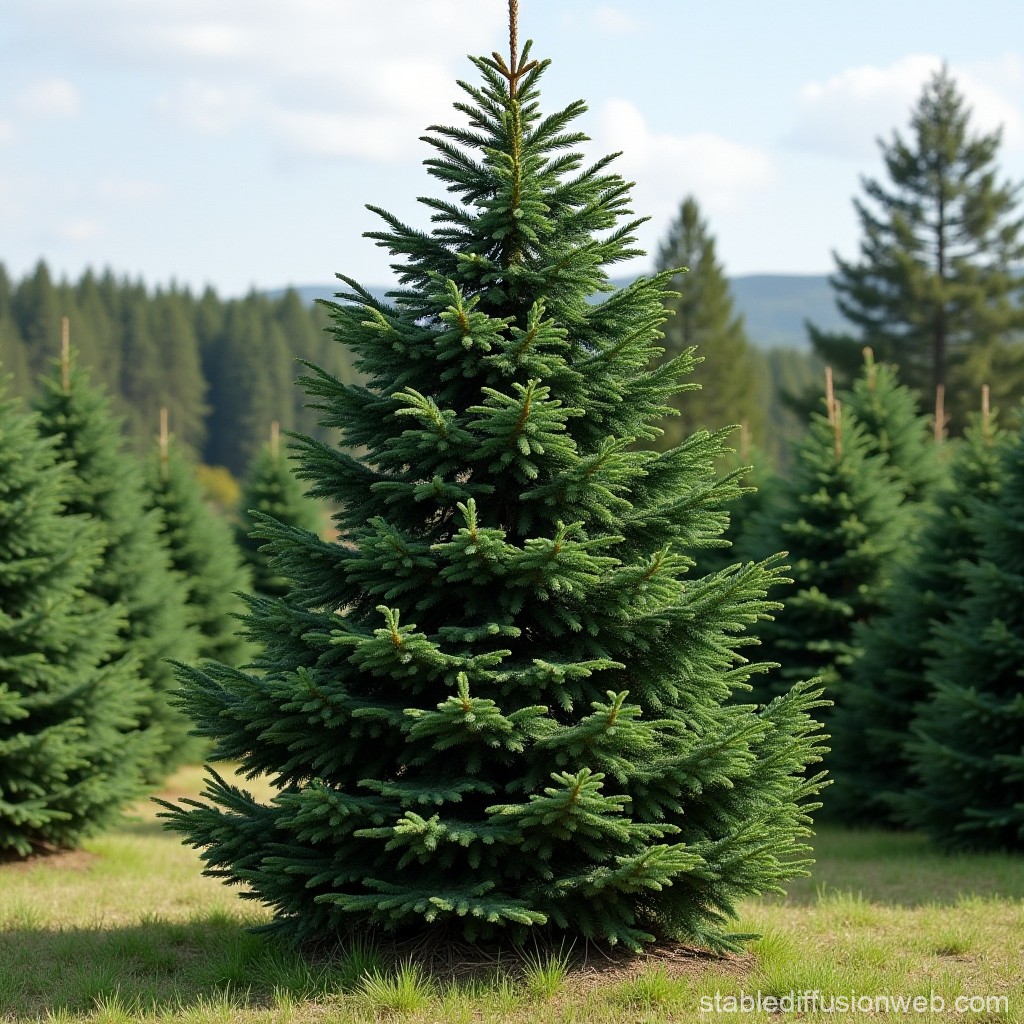
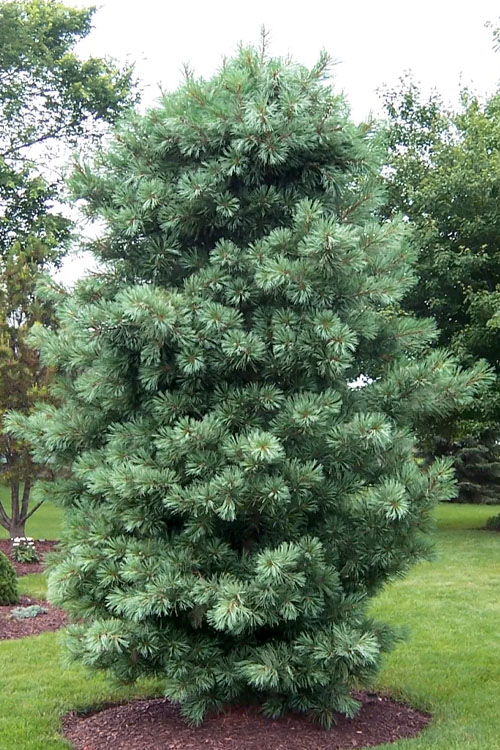
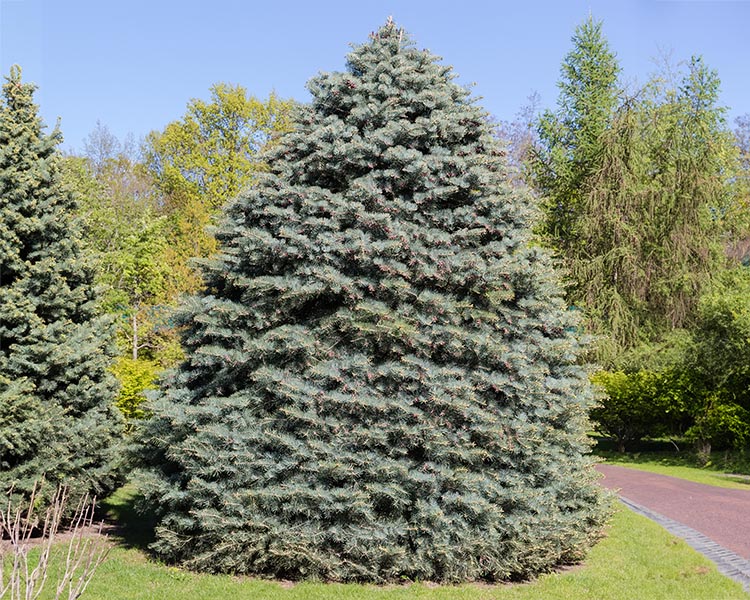
Mixing things up is the way to go. Some great evergreen options to consider are Concolor fir and Douglas fir. The five-needle pines are also solid choices, like limber pine, Japanese white pine, Korean pine (like ‘Silver Ray’), and Swiss stone pine.
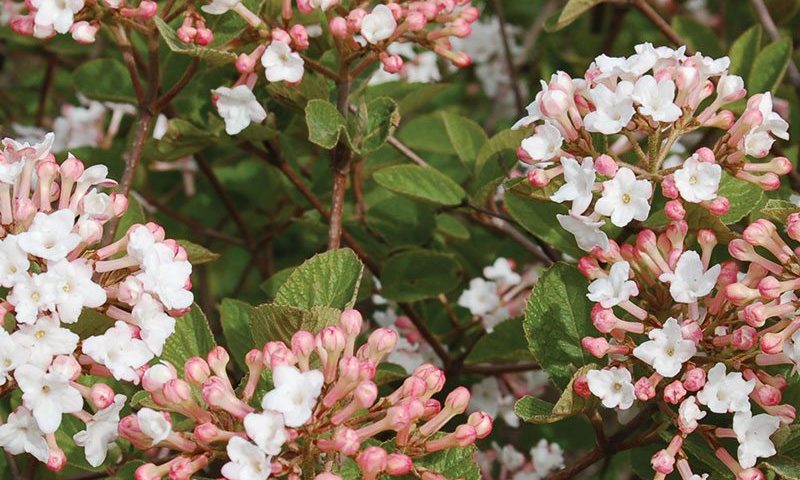
If you’re thinking about adding shrubs, viburnums are definitely worth a look. They’re tough, handle winter well, and can tolerate dry conditions. One standout is the Sugar ‘n Spice viburnum—it grows fairly quickly to about 8 feet tall and wide and produces large, fragrant flower clusters that smell a bit like sweet cloves.
Now’s also the time to start thinking about crabgrass control in your lawn. Crabgrass begins to germinate when soil temperatures hit around 55°F. With cooler weather hanging around, aiming for around May 1st is usually a safe bet. If you’re targeting sandburs or foxtail as well, plan on a second application a couple of weeks later when soil temps reach about 65°F.
And one last thing that comes up a lot, cross-pollination in vine crops. You don’t need to worry too much about spacing them apart. A cucumber plant will always produce cucumbers true to its variety, and the same goes for melons and squash. The only time cross-pollination really matters is if you’re saving seeds; those seeds may produce something a little different the next year.