
With all the temperature swings in the landscape we’ve been having lately, it’s no surprise our plants are a little confused. Those warm days get things growing, and then a cold snap comes right along and nips them back. It can be especially tough on perennials and spring bulbs just starting to wake up.
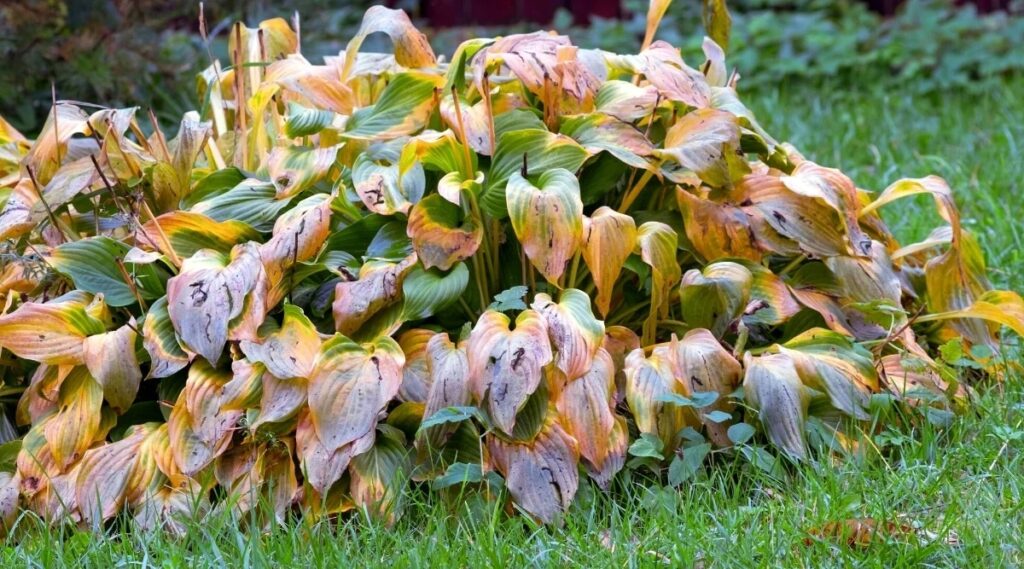
If your perennials took a hit and you’re seeing brown, frozen leaves, don’t panic. Just clean them up a bit, remove the dead foliage, and trim back any tip damage. Most of the time, the plant itself is still fine and will push new growth as things settle down. As for spring bulbs, this is a good time to practice a little patience. Leave them alone and see what happens. They’re tougher than they look. That said, if the damage was severe, you might see fewer or no blooms next year.
When you’re getting ready to work your flowerbeds or garden, a little prep goes a long way. Spread a couple of inches of compost or peat moss over the surface, then till it in about 3 to 4 inches deep. Try not to go much deeper than that, or you risk bringing a fresh batch of weed seeds up to the surface. If you’re dealing with heavier clay soil, mixing in some sand can help improve drainage and make things easier for roots to grow.
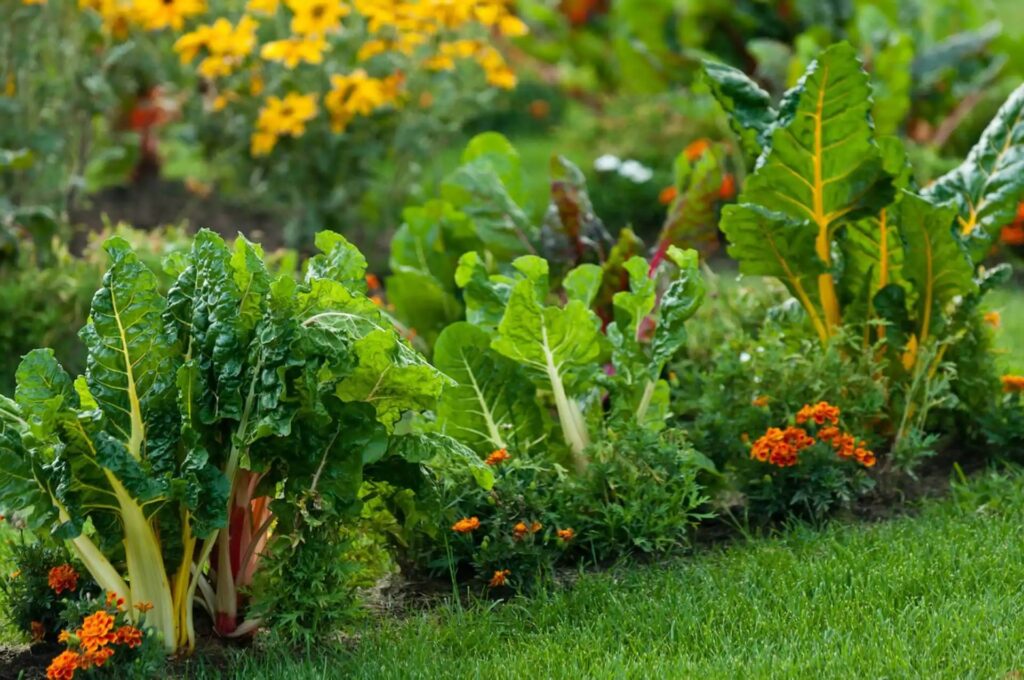
It’s also a great time to think about companion planting. Adding flowers in with your vegetables isn’t just for looks, they help attract pollinators, which can mean better yields on crops like tomatoes and vine plants. As for keeping pests away, results can vary. But if you’ve had success with certain combinations in the past, it’s worth sticking with what works.
Around the house, mulch can sometimes be more trouble than it’s worth, especially with wind and heavy rains. I’ve had bark chips wash away or scatter more times than I can count. One trick that’s worked well is using a light spray glue to hold the mulch in place. It keeps things looking neat, and it safely breaks down over time. Just keep in mind, it’s not a one-and-done fix—you’ll likely need to reapply it now and then.
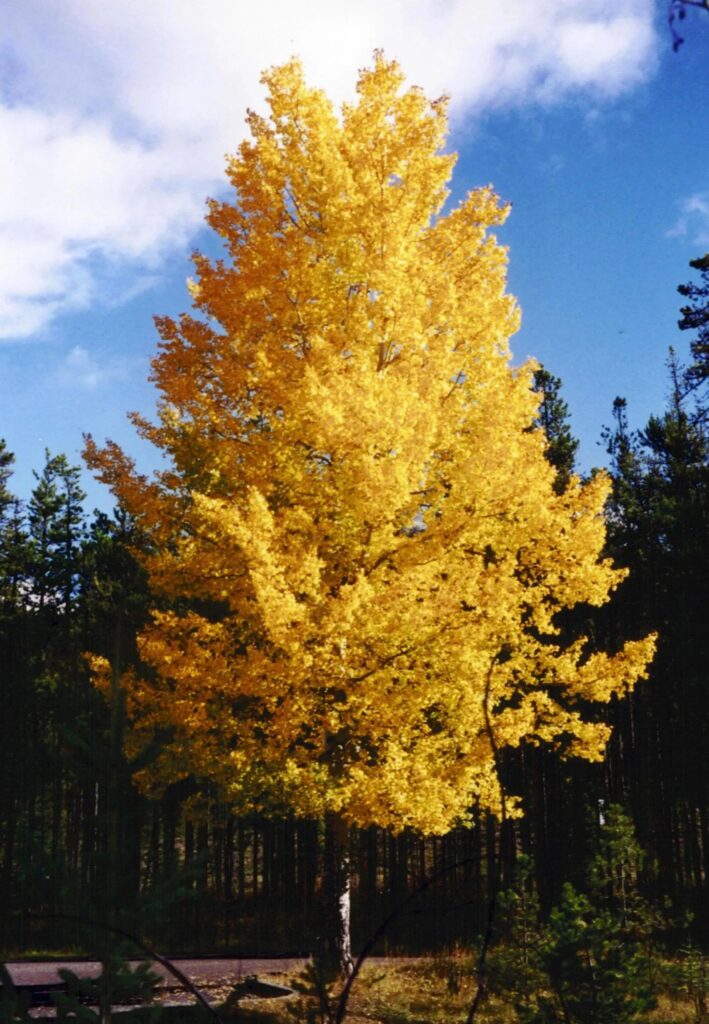
If you’re thinking about adding a tree this year, one that’s been gaining popularity is the prairie golden aspen. It’s a bit tougher than the more common quaking aspen and handles conditions out here a little better. It can grow to around 40 feet tall with about 20 feet spread, and in the fall, it really puts on a show with bright yellow leaves. It’s not overly picky about soil, but like most trees, it does best in well-drained areas.
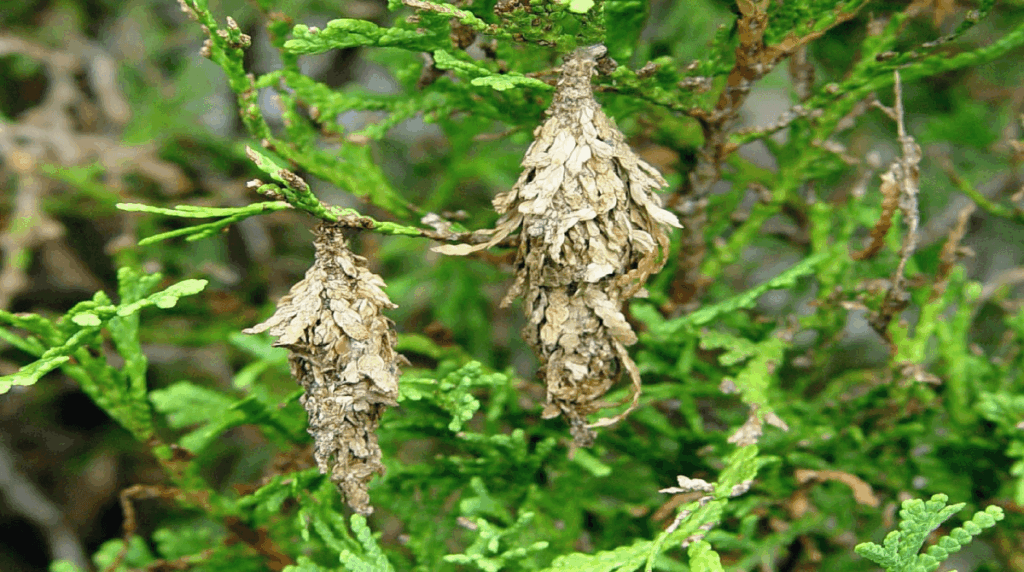
Another thing to keep an eye out for is a newer pest in our area, the bagworm. You’ll notice them as small, bag-like formations hanging from the tips of evergreen branches. If you catch them early, the easiest solution is just to pick them off and dispose of them. If you’re considering spraying, timing is everything. Treatments are most effective in June when the young caterpillars are active and exposed.
And finally, if you’re itching to get ahead on lawn care, especially with preemergent for crabgrass or sandbur, hold off just a bit longer. It’s still a little early, and applying too soon can reduce how well it works when you really need it.
This time of year is always a bit of a balancing act, but with a little patience and a few simple steps, your yard and garden will be in good shape heading into the growing season.