
If you’re seeing small grasshoppers in the lawn, keep an eye on your flowerbeds and veggie patch—they like to wander. Lawn insecticide might help in town, but it’s usually less effective out in rural areas. If they’re creeping into the garden, mowing a 10-foot strip around it down to an inch can create a barrier. For control in the garden, Sevin or other insecticides labeled for chewing insects can help—but don’t spray during the heat of the day, especially when bees are out and about. There are grasshopper baits available, but use caution if kids or pets are around.
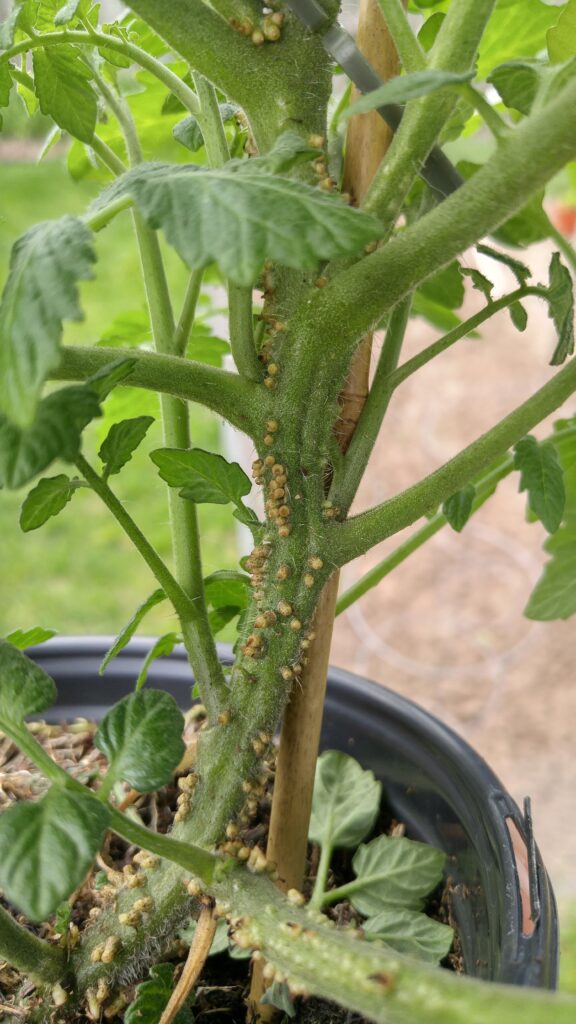
Noticing light-colored bumps on your tomato stems? No need to worry—those are just root nodules. Tomatoes sometimes grow these little aerial roots when conditions are just right (or a bit too damp). They’re harmless!
With summer heat settling in, it’s a good time to raise your mower height to around 4 inches. Taller grass helps shade the soil and reduces stress on the blades. If your lawn looks ragged after mowing, it might be time to sharpen or replace your mower blades. Also, try to water in the early morning—less is lost to evaporation. Aim for about an inch of water a week, depending on rainfall. Hold off on fertilizing or weed spraying until the weather cools down again.
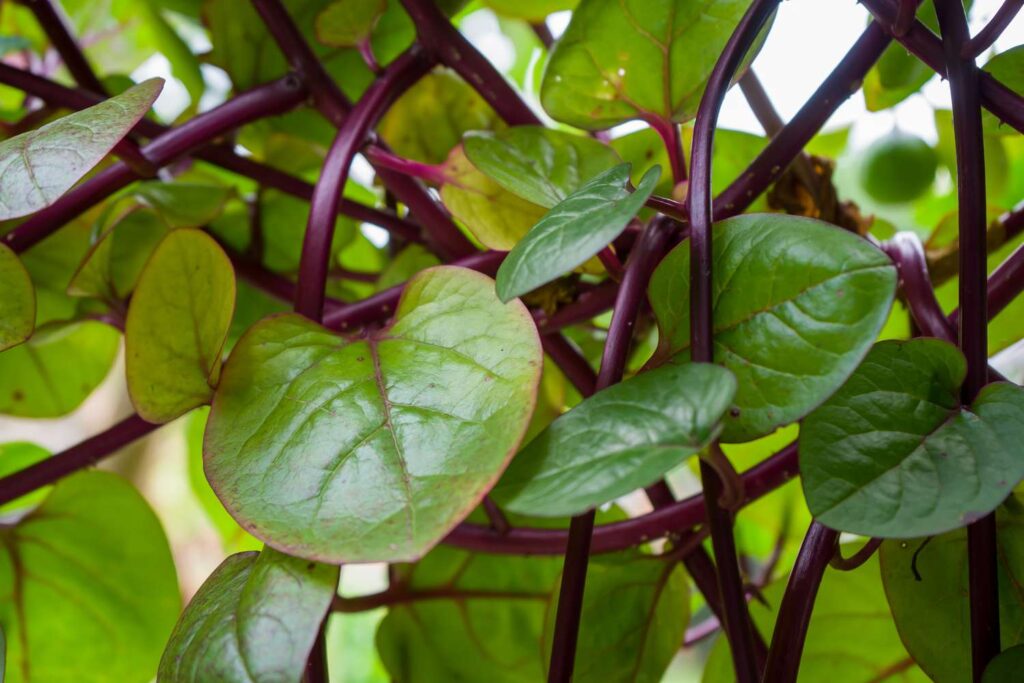
And if your spinach bolted early this year (as it often does), give Malabar spinach a try! It’s not true spinach, but it tastes similar and thrives in summer heat. It’s a vining plant, so give it something like chicken wire to climb. You can enjoy the leaves raw or cooked!
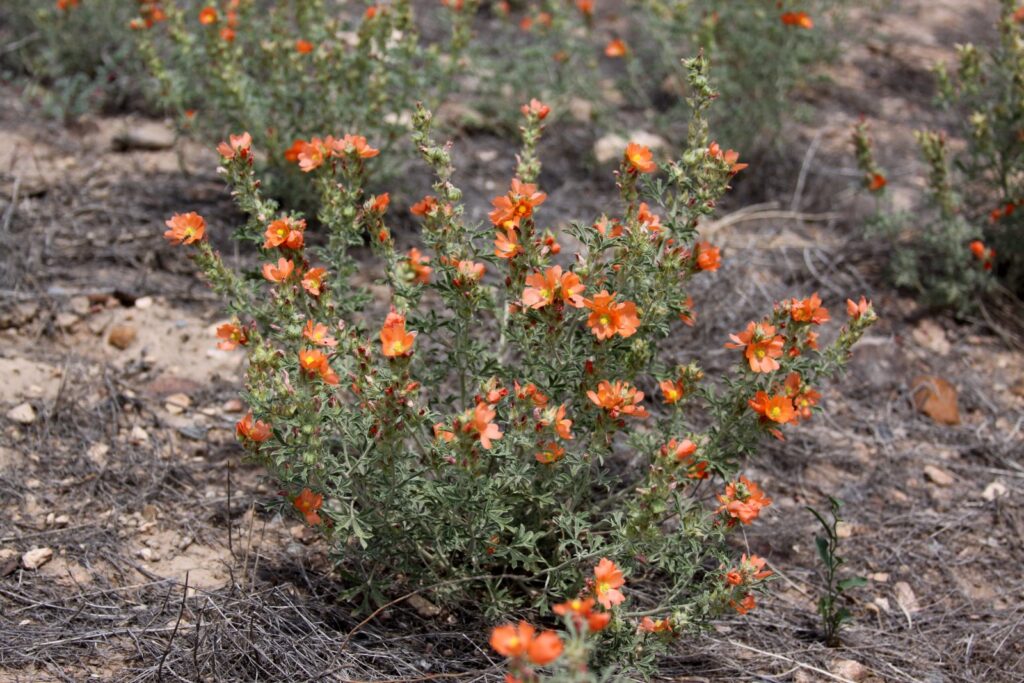
I have been noticing this attractive orange flower in the pastures. I never knew what it was until I ran across it in a magazine. It is a Globe Mallow. A drought-tolerant plant that spreads by seed and rhizomes.