
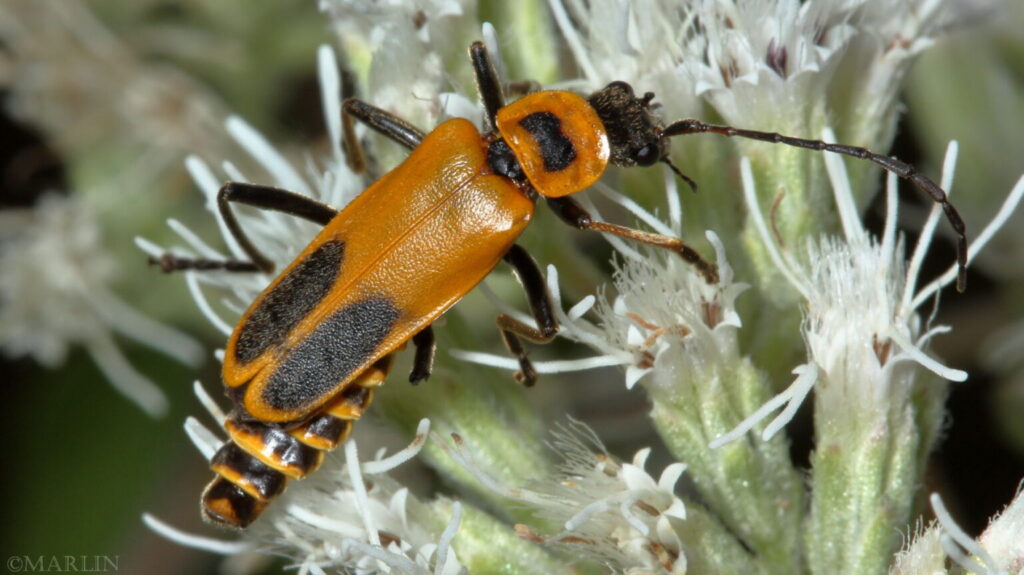
One of the more noticeable insects in the garden this week is the soldier beetle. If you’ve been seeing large numbers of them moving from alfalfa fields and pastures into flower beds and vegetable gardens, don’t be alarmed. These are beneficial insects and are actually helping your garden.
Adult soldier beetles feed on flower nectar and pollen, making them frequent visitors to blooming plants. More importantly, they are predators that feed on soft-bodied pests such as aphids, caterpillars, and other insects that can damage garden plants. Their larvae are beneficial as well, spending their time hunting insect eggs, small insects, and other garden pests. So if you see soldier beetles on your flowers, consider them part of your garden’s pest control team.
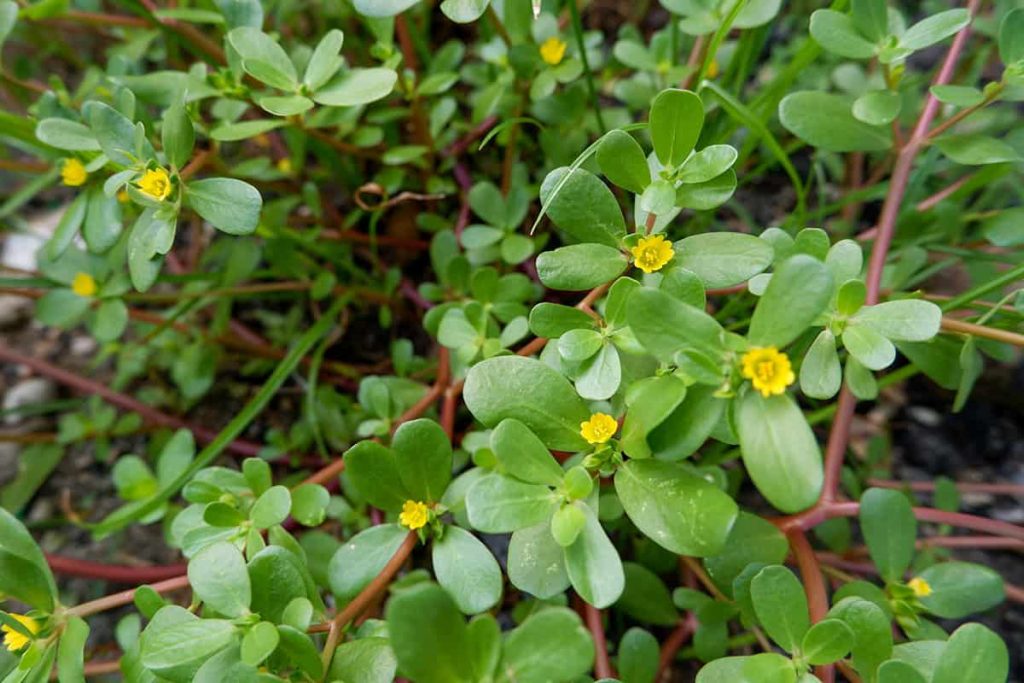
The weed of the week is purslane. This low-growing succulent thrives in hot, dry weather and seems to appear overnight in gardens, flower beds, sidewalks, and gravel areas. While purslane is edible and has even been used in salads and other dishes for centuries, it has never been one of my favorites.
If you decide to remove purslane, be sure to dispose of it properly. Simply pulling it and leaving it on the ground often doesn’t solve the problem. The fleshy stems can quickly root again wherever they touch moist soil, creating a whole new plant. Instead, collect the plants in a bucket and remove them from the garden. One purslane plant can produce up to 10,000 seeds during a growing season, so a little effort now can prevent a much bigger problem later.
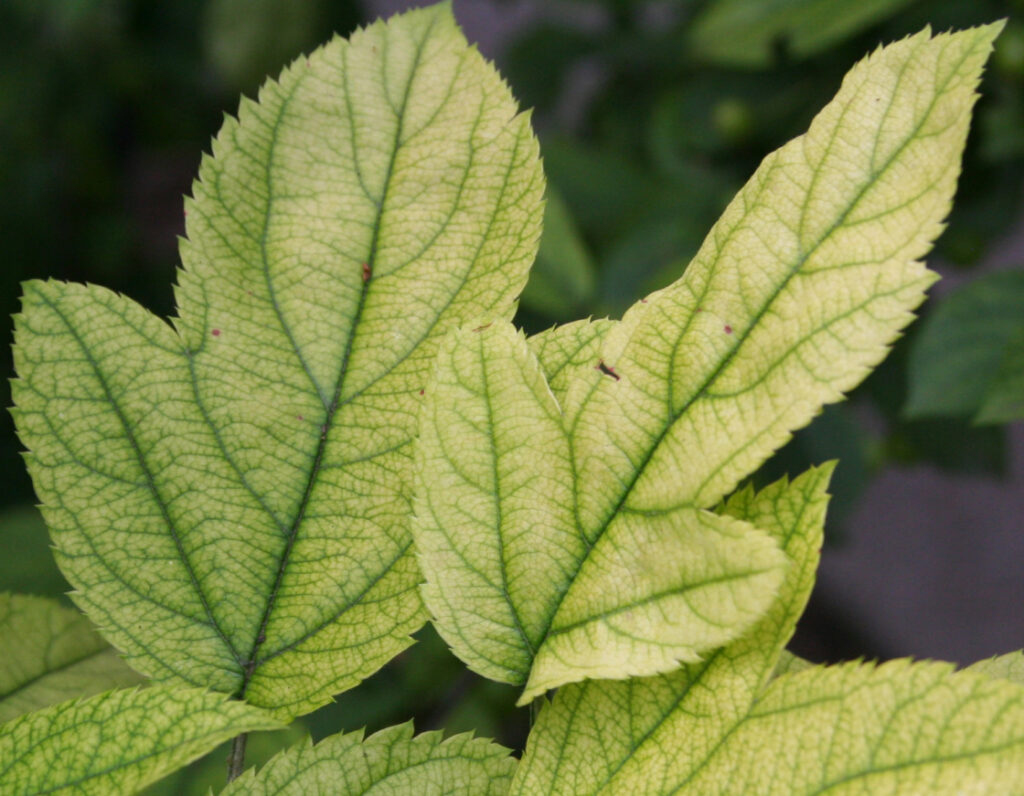
I’ve also been seeing chlorosis showing up on several trees and shrubs, particularly sugar maples. The symptoms are easy to recognize, leaves turn a pale yellow while the veins remain dark green. Many people assume the soil lacks iron, but that’s usually not the case. In our area, the problem is often caused by high soil pH, which ties up the iron and prevents the plant from absorbing it.
Hot, dry summer weather can make chlorosis even more noticeable. The quickest treatment is usually a foliar iron spray applied directly to the leaves. This allows the plant to absorb iron immediately and often results in greener foliage within a few weeks. However, the effects are temporary, so applications may need to be repeated every two to three weeks throughout the summer. Long-term solutions involve lowering soil pH or selecting plants better adapted to alkaline soils, but foliar treatments can help plants look healthier in the meantime.
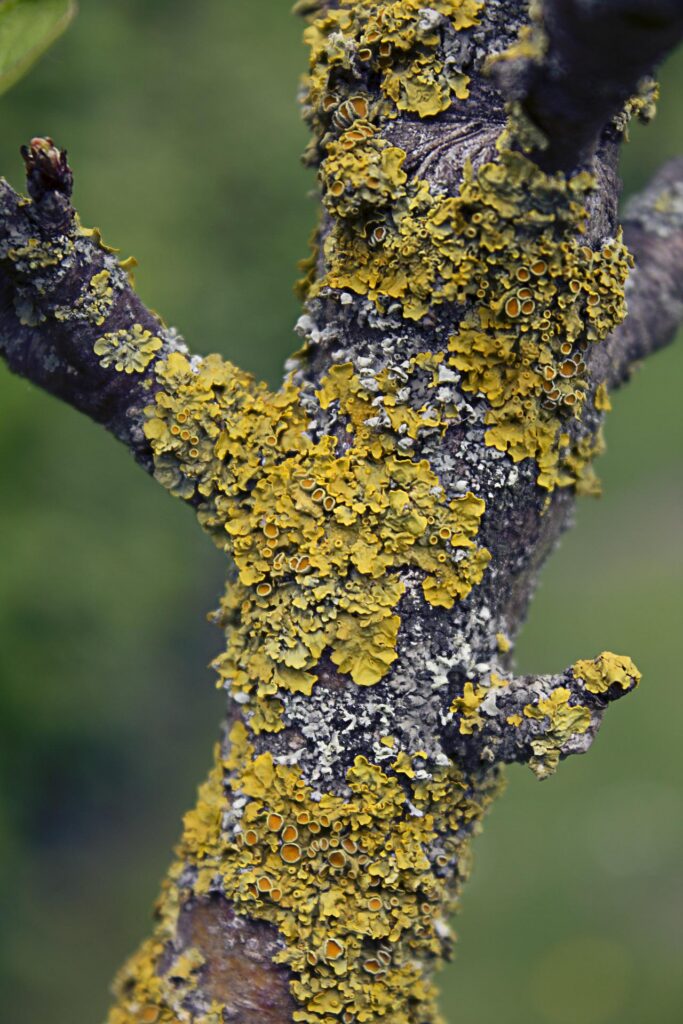
Another thing that has caught people’s attention recently is the amount of lichens growing on tree trunks and branches. Lichens often appear as gray, green, bluish, or even orange patches that seem to be growing on the bark. Many homeowners worry that lichen is harming their trees, but that’s usually not the case.
A lichen is actually a partnership between a fungus and an alga. The fungus provides structure and protection, while the alga produces food through photosynthesis. Together, they form the unique growths we see attached to bark, rocks, fence posts, and other surfaces. A lichen does not take nutrients from the tree and is not a disease or an insect problem.