
Valentine’s Day feels like it was made for roses, chocolates, and love notes — but the history of Valentine’s Day goes back thousands of years, and it didn’t start out romantic at all.
The roots of the holiday trace back to ancient Rome and a mid-February festival called Lupercalia, a noisy celebration meant to welcome spring and encourage fertility. Part of the tradition even involved pairing men and women together by chance. Not exactly candlelight and poetry, but it did set the stage for a day connected to pairing people up.
As Christianity spread, the church replaced many pagan festivals with Christian observances. Around this time, we hear the story of Saint Valentine, a priest who secretly performed marriages after Emperor Claudius II banned them. Valentine was eventually imprisoned and executed. Legend says he signed a note from prison, “From your Valentine.”
The romantic connection didn’t really take hold until the Middle Ages, when poet Geoffrey Chaucer wrote that February 14 was the day birds chose their mates. From there, people began exchanging handwritten love notes called valentines.
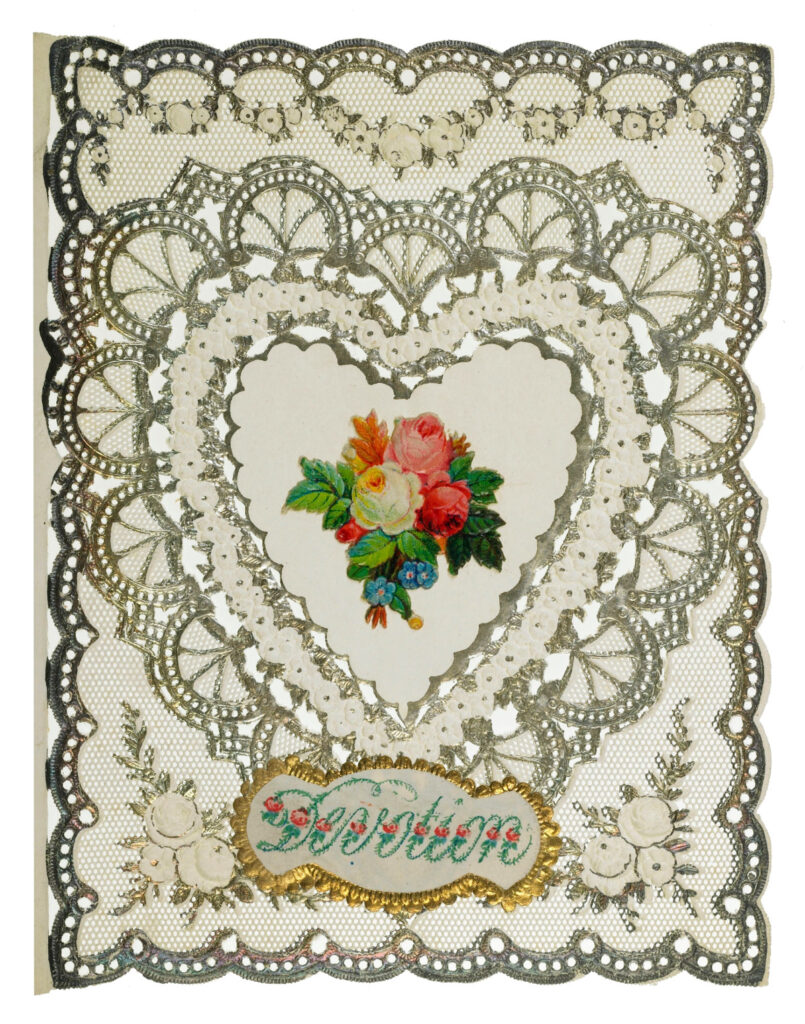
By the 1800s, printed cards became popular, thanks in part to Esther Howland, known as the “Mother of the American Valentine.” The greeting card tradition took off, and soon flowers, chocolates, and romantic dinners became part of the celebration.
Today, Valentine’s Day is a blend of ancient tradition, legend, poetry, and modern romance. A holiday that has evolved from wild Roman festivals into a simple celebration of love in all its forms.
2 comments for “History of Valentine’s Day”