
Well, this is the time seed stands are going up, and nursery catalogs are coming to your mailbox. If you’ve ever stood in the seed aisle and wondered why some seed packets cost more than others, you’re not alone. Even though many seed packets look almost the same on the rack, the work that goes into producing them can be very different—and that’s what drives the price.
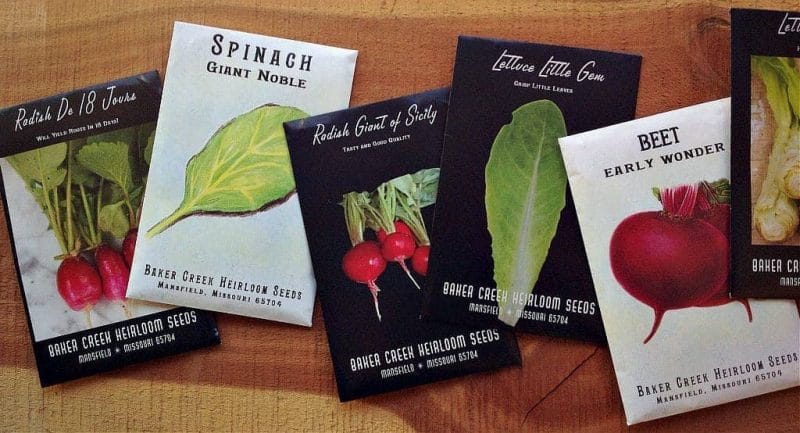
One of the biggest factors is the type of seed. Hybrid seeds usually cost more because they’re created through carefully controlled hand pollination to combine specific traits like disease resistance or uniform growth. Open-pollinated and heirloom seeds tend to be less expensive since they reproduce naturally and are easier to grow in large quantities. Rare or specialty varieties often have a higher cost simply because they’re produced in smaller batches. Organic seeds usually come with a higher price tag, too, since they must be grown, handled, and certified under strict organic standards.
Where the seed is grown also makes a difference. Seeds produced in the United States often cost more because of higher labor, land, and regulatory costs. Imported seeds may be cheaper—or sometimes more expensive—depending on shipping fees, inspections, and availability.
Testing and quality control are another behind-the-scenes cost. Higher-priced seeds are often tested more frequently for germination, disease, and purity. That extra testing helps ensure reliable results in your garden, but it also adds to production costs.
The number and size of seeds in the packet matter too. Some packets cost more because they simply contain more seeds. Larger seeds like corn, peas, and beans naturally cost more per seed. Pelleted or coated seeds, which are treated to make planting easier or help protect against disease. This adds to the price.
Packaging plays a role as well. Glossy, full-color packets, moisture-resistant linings, and detailed growing instructions all cost more to produce than simple paper envelopes with basic printing.
Some seeds are just harder to produce. Plants that take longer to mature, produce fewer seeds, like geraniums, require isolation from other varieties, or must be harvested by hand, are more expensive to grow for seed. That extra time and labor are reflected in the retail price.
Where you buy your seeds matters, too. Big-box stores usually offer lower prices because they sell in high volume and operate on smaller margins. Local garden centers often charge a bit more since they carry specialty varieties and provide expert advice. Online specialty seed companies may charge premium prices for rare or unique selections.
Finally, supply and demand can shift prices from year to year. Poor weather, crop failures, shipping issues, or a sudden surge in popularity for certain plants can all drive prices up. Certification and legal labeling requirements also add small but unavoidable costs.
In short, some seed packets cost more because the seeds are harder to produce, more carefully tested, better packaged, certified, rarer, or sold through higher-service retailers. Cheaper seeds are often produced in large quantities with basic packaging. However, they can still grow just as beautifully in your garden.
3 comments for “Seed Stands are Going Up”